U.S. Cheese and Butter Prices Fall as Protein Demand Reshapes Dairy Markets
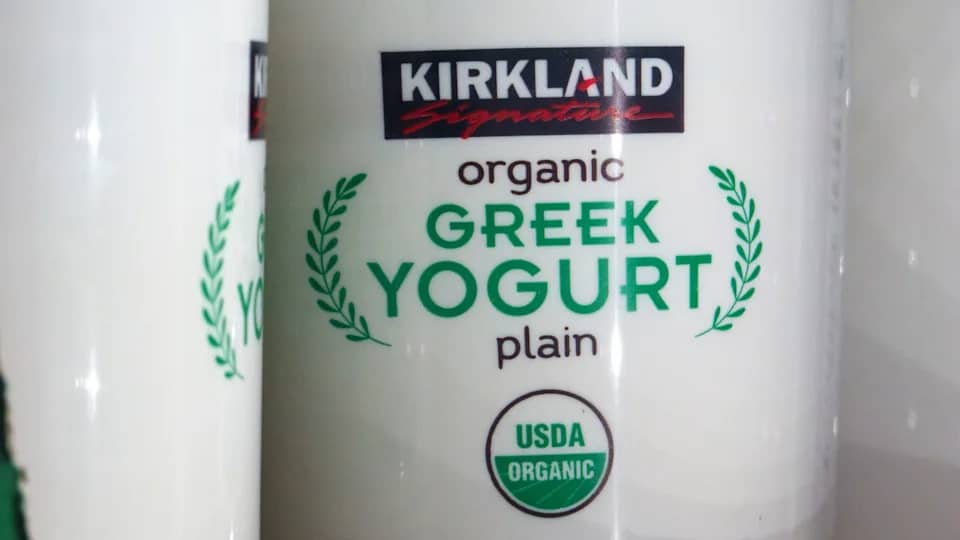
The U.S. dairy industry is facing an unexpected consequence of the protein boom: stronger demand for Greek yoghurt, cottage cheese and whey products is changing milk processing economics, contributing to an oversupply of other dairy products and pushing cheese and butter prices lower.
According to a report published by Yahoo Finance on October 25, 2026, U.S. cheese and butter have become among the world's most price-competitive dairy commodities. The development is attracting international buyers while creating fresh challenges for producers managing higher milk-component output.
The Protein Boom Is Changing Dairy Economics
Consumer demand for protein-rich foods has become an important driver of dairy industry investment and production decisions.
Greek yoghurt, which typically contains more protein per serving than conventional yoghurt, has gained popularity. Cottage cheese has also experienced renewed demand, while protein shakes and whey-based products are benefiting from consumers' interest in fitness, muscle maintenance and healthier diets.
For dairy processors, these trends create opportunities to manufacture higher-value protein-rich products.
However, processing milk into particular products also generates other milk components that must be used or sold. As manufacturers expand production to meet protein demand, the availability of butterfat and other components can increase, depending on the product mix and processing technology.
When the supply of these components grows faster than demand, prices for products such as butter and cheese can come under pressure.
This is one of the key market dynamics highlighted in the Yahoo Finance report. The relationship is not simply that Greek yoghurt causes lower butter prices; rather, changing consumer preferences, milk-component production and processing economics interact to influence supply and pricing across the dairy sector. (Yahoo Finance)
Milk Components Are Growing Faster Than Overall Production
The report highlights a significant change in U.S. milk production between 2011 and 2025.
During this period, total milk production reportedly increased by 18%. Protein output rose by 27.7%, while butterfat production increased by 34.6%.
These figures illustrate why total milk volume alone is becoming an incomplete measure of dairy industry performance.
The concentration and volume of valuable milk components increasingly influence processing decisions, product yields and commercial returns.
Advances in dairy genetics, animal nutrition and farm management have helped producers increase the quantities of protein and butterfat in milk. At the same time, processors have invested in facilities designed to manufacture high-protein dairy ingredients and consumer products.
The result is an industry increasingly organised around the value of individual milk components—not just the number of litres produced.
Butter Prices Reflect the Supply Pressure
The Yahoo Finance report states that U.S. butter averaged $3.96 per pound in September 2026, nearly $1 per pound below its level a year earlier.
The report attributes the decline to abundant supplies and changing dairy market dynamics. Lower commodity prices can benefit food manufacturers and consumers, although the effect on retail prices may be delayed or uneven.
For dairy processors, the consequences are more complex.
Businesses with access to low-cost butter and cheese may gain a competitive advantage in domestic and international markets. Producers and manufacturers exposed to falling commodity prices, however, may face pressure on revenue and margins.
The outcome depends on production costs, product mix, inventory positions, contracts and the prices available in individual markets.
Exports Become a More Important Outlet
Competitive prices can help U.S. dairy products find buyers overseas, making international trade an increasingly important part of the industry's commercial strategy.
According to the report, U.S. dairy exports have grown from approximately 2–3% of milk production in the mid-1990s to around 17% today, with annual exports approaching $10 billion.
The report also highlights substantial investment in U.S. dairy processing capacity. Industry announcements cited in the article total $14.4 billion across 77 facility projects in 21 states, with much of the investment directed towards high-protein products.
These developments demonstrate the growing importance of processing capacity and export access in balancing domestic milk supplies.
However, low prices alone do not guarantee sustained export growth. International demand, competing suppliers, freight costs, tariffs, exchange rates and product specifications all influence whether U.S. dairy products remain competitive abroad.
What Does This Mean for Global Dairy Markets?
The U.S. market offers an important example of how changes in consumer preferences can affect the wider dairy supply chain.
When demand grows for protein-rich products, processors may expand production and adjust their use of milk components. If the resulting supply of butterfat or other components exceeds available demand, commodity prices can fall.
For international dairy exporters, lower U.S. prices may intensify competition in markets where American products are already commercially competitive.
For food manufacturers, the same trend can create opportunities to source ingredients at lower prices, depending on product specifications and purchasing arrangements.
For milk producers, the implications are less straightforward. Increased output of valuable components can improve returns in some circumstances, but greater overall supply and weaker commodity prices can offset those benefits.
Market participants must therefore evaluate component prices, processing capacity, product demand and export opportunities together rather than treating total milk production as the only meaningful indicator.
Will the Price Pressure Continue Into 2027?
The Yahoo Finance report cites analysts who expect plentiful supplies to continue weighing on U.S. milk prices through the end of 2026 and into 2027.
The outlook remains uncertain, however, and dairy commodities will not necessarily move in the same direction. Demand for protein ingredients, butterfat, cheese and milk powders differs across markets, while production and processing decisions can change the balance of supply.
The U.S. Department of Agriculture's October 2026 outlook similarly describes a market in which abundant cheese and butter supplies are weighing on prices while demand and supply conditions for dairy powders differ.
The U.S. dairy industry is demonstrating how a consumer trend can reshape the economics of an entire milk-processing system.
Demand for protein-rich foods is encouraging investment and changing the balance of milk components. The resulting supplies are putting pressure on some commodity prices while creating opportunities for manufacturers and international buyers.
For dairy businesses worldwide, the lesson is clear: understanding what consumers want from milk—and how processing decisions affect every component—is becoming as important as tracking total milk production.
Source: Read full story here 26 Oct, 2026 Edited and Reported by
Never miss an important dairy update
Follow DairyNews7x7 on Google to get live milk prices, policy alerts, and daily headlines directly in your feed.