Global Milk Supply Forecast to Grow 2.2% in 2026 as Weather Risks Cloud the 2027 Outlook
Global milk supply is projected to grow by 2.2% in 2026, supported by resilient production across several major dairy-producing regions. However, the outlook for 2027 is more restrained, with annual growth expected to slow to approximately 1%, according to Ornua's October 2026 Global Dairy Market Report.
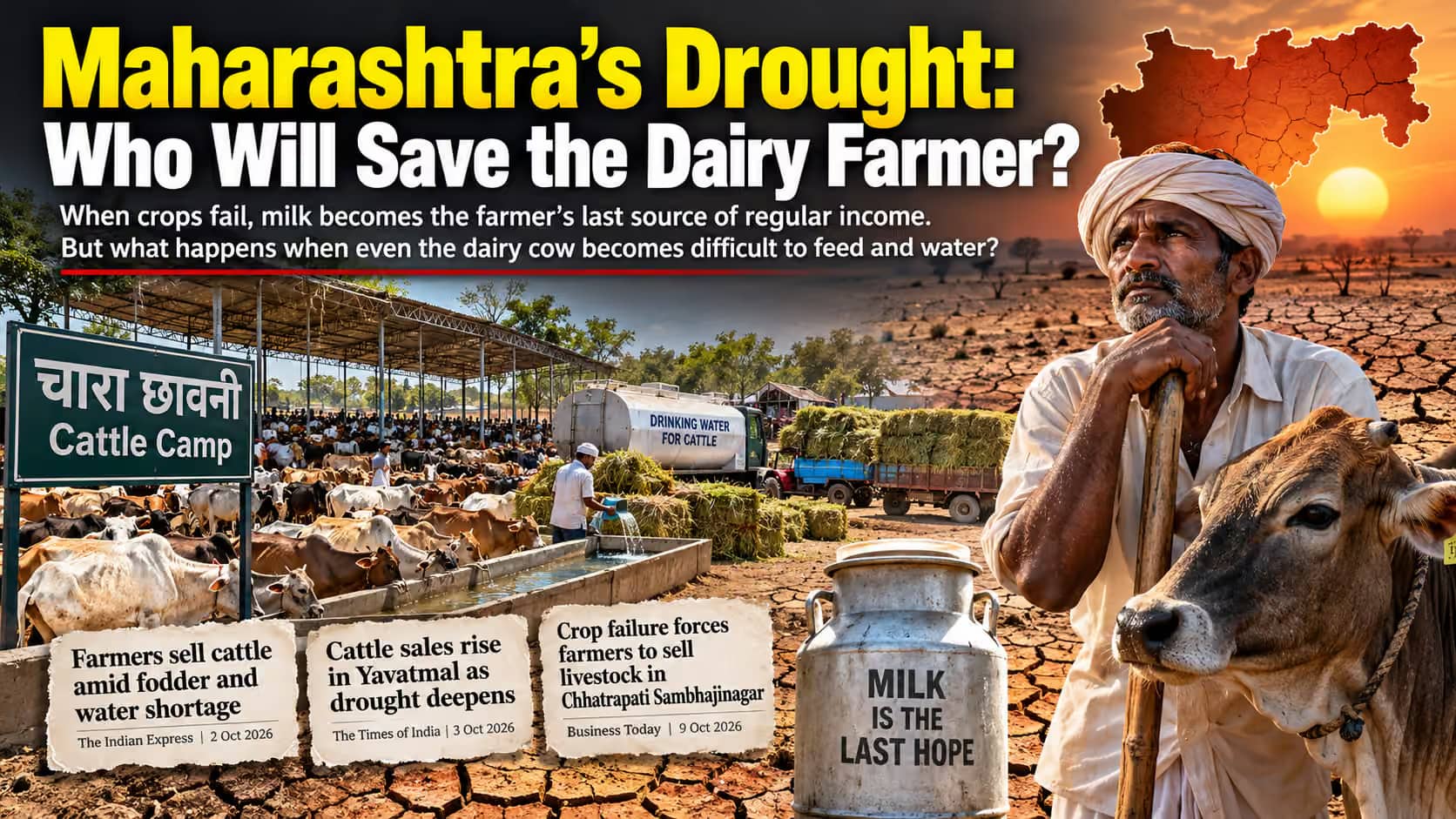
The forecast highlights a changing outlook for the international dairy sector. Although milk collection has exceeded earlier expectations in several regions, drought conditions, the potential effects of El Niño and wider economic uncertainty could influence production in the coming months.
For dairy farmers, processors, exporters and ingredient manufacturers, the key question is whether demand can absorb the additional supply while maintaining sustainable returns across the value chain.
Global Milk Collections Exceed Expectations
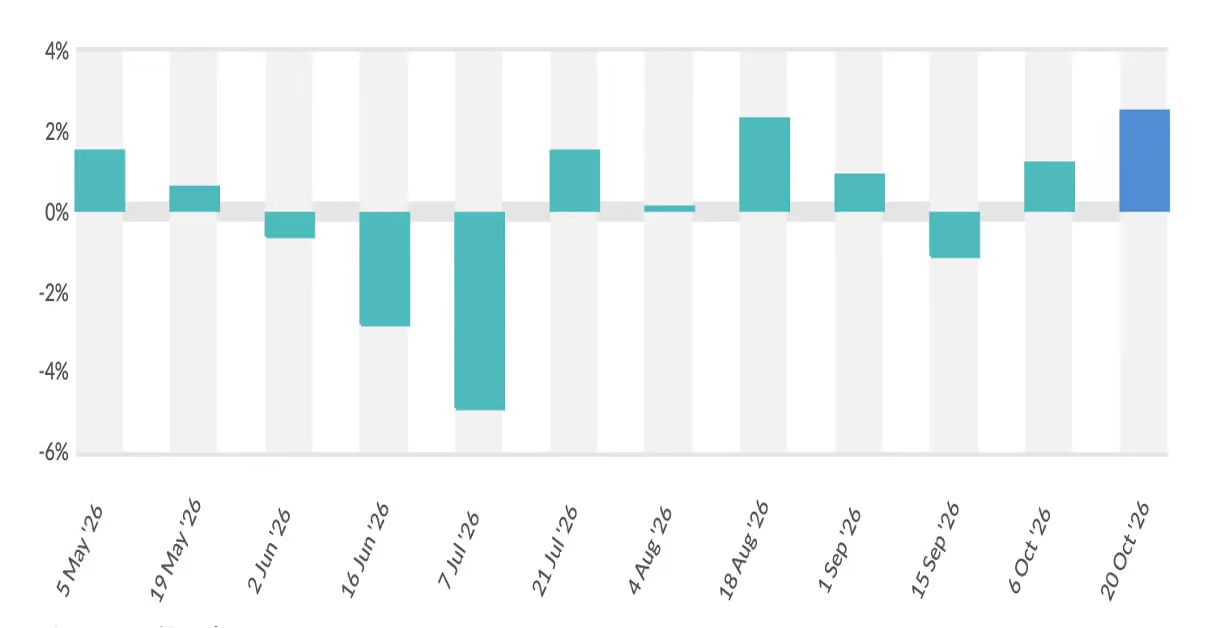
Global milk collections increased by approximately 1.4% in August, according to the October report. Production continued to expand across most major dairy regions, although the pace of growth is expected to moderate during the fourth quarter.
The European Union, United States, New Zealand and South America have all contributed to the stronger supply outlook. However, production trends differ by region, reflecting variations in weather, herd productivity, processing capacity and seasonal conditions.
The current forecast does not mean that growth will continue at the same pace indefinitely. Ornua expects the full impact of weather-related supply disruptions to become clearer around the beginning of 2027.
European Union: Production Holds Up Despite Drought
Milk production in the European Union increased by 1.1% in September, compared with 2.5% in August.
Despite dry conditions, production performed better than expected. As a result, Ornua restored its annual EU production growth forecast to 1.9%, returning it to the level anticipated before drought concerns intensified.
The figures demonstrate the resilience of milk collection in the region, but they do not eliminate the risk of further weather-related pressure. The impact of prolonged dry conditions may emerge later, depending on their effects on feed availability, pasture growth and farm productivity.
For processors, continued production growth supports raw milk availability. However, the balance between milk intake, manufacturing capacity and market demand remains important for profitability.
United States: Production Growth Supported by Capacity and Farm Economics
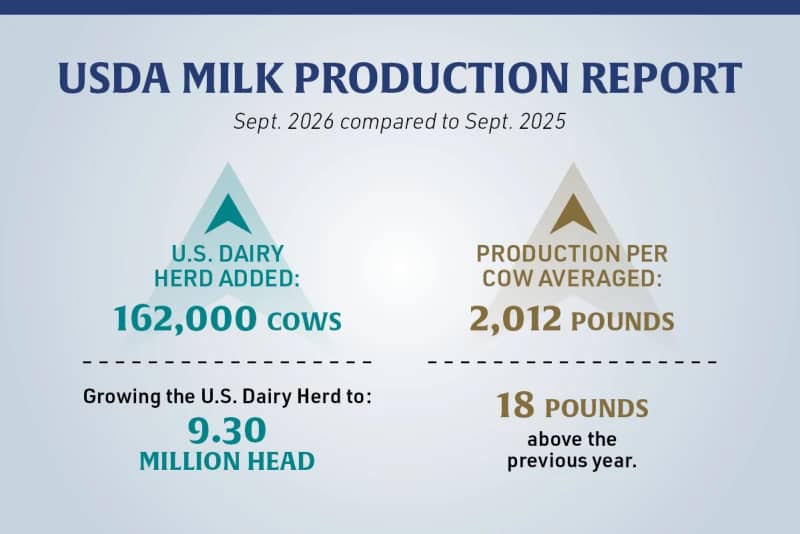
U.S. milk volumes increased by 1.7% in both July and August, with the annual production forecast remaining at 2.2%.
Ornua identifies strong beef prices and additional cheese-processing capacity as important factors supporting the expansion. Higher beef values can influence dairy farm economics and cattle-management decisions, while new processing facilities provide additional capacity to handle milk and manufacture dairy products.
The U.S. outlook illustrates how production growth depends on more than farm-level productivity alone. Investment in processing infrastructure and the relative returns available from dairy and beef can also influence the industry's ability to expand.
New Zealand and South America Add to Global Supply
New Zealand recorded a 2.4% increase in milk flows, while milk solids rose by 3.4%. If the pace of expansion continues, production growth could reach 4% or more, although the outlook remains sensitive to seasonal conditions.
South American producers, including Argentina, Brazil and Uruguay, also benefited from favourable production conditions.
These developments add to the volume of milk available to domestic processors and international markets. However, the outlook for pasture-based systems can change quickly if rainfall patterns shift or feed availability deteriorates.
The potential effects of El Niño therefore remain an important uncertainty for future milk production, particularly as the industry moves into the next production cycle.
What Does Growing Supply Mean for Dairy Prices?
Higher milk availability can help processors maintain throughput and secure raw materials. However, its effect on prices depends on demand, inventories, product mix, trade flows and manufacturing capacity.
Ornua's October report describes relatively stable European dairy markets despite strong global availability. European butter production increased in July and August, while exports remained firm, supported by demand from the United States, China and Turkey.
In the United States, butter supplies remained strong, but domestic consumption and exports helped keep inventories low.
These examples show why an increase in raw milk production does not necessarily translate into the same outcome for every dairy commodity. Butter, cheese, milk powders and dairy proteins can experience different supply-and-demand conditions.
If milk supply expands faster than demand for particular products, prices and processor margins may come under pressure. Conversely, resilient demand and constrained inventories can provide support even when milk production is increasing.
The 2027 Outlook: Slower Growth and Greater Uncertainty
Ornua forecasts global milk supply growth of approximately 1% in 2027, compared with 2.2% in 2026. The report cautions that the eventual impact of El Niño remains unknown.
Weather is not the only concern. Higher oil prices, inflation and interest rates add to the uncertainty surrounding production costs, consumer purchasing power and international trade.
These factors could influence feed and transport costs, farm margins, consumer demand and processors' investment decisions. The final effect will depend on how weather conditions develop and how supply growth compares with demand across key markets.
What the Forecast Means for the Global Dairy Industry
The 2026 outlook signals continued expansion in global milk supply, but the projected slowdown in 2027 suggests that businesses should not assume the current growth rate will persist.
Dairy producers need to monitor productivity, input costs and farmgate returns. Processors must balance milk procurement with manufacturing capacity, product demand and inventory management. Exporters and ingredient suppliers should also track regional production, exchange-rate movements and changes in international buying patterns.
For dairy markets, the decisive factor will be the interaction between supply and demand—not production growth in isolation.
Global milk supply is forecast to rise 2.2% in 2026, but weather risks and economic uncertainty could slow expansion in 2027. For dairy businesses, planning for both continued availability and potential regional disruptions will be critical.
Source: Read full story here 24 Oct, 2026 Edited and Reported by
#GlobalDairy #DairyIndustry #MilkProduction #DairyMarkets #DairyFarming #DairyTrade #MilkSupply #DairyOutlook
Never miss an important dairy update
Follow DairyNews7x7 on Google to get live milk prices, policy alerts, and daily headlines directly in your feed.