India’s food safety regulator is intensifying scrutiny of advertising claims in the infant nutrition and children’s nutritional drink categories. The Food Safety and Standards Authority of India (FSSAI) has issued notices to major companies over claims concerning digestion, immunity, physical growth and cognitive development.
The action raises an important question for the dairy and nutrition industry: how should companies communicate product benefits while ensuring that every claim meets applicable regulatory requirements and is supported by appropriate scientific evidence?
1. Nestlé Asked to Substantiate Infant Formula Claims
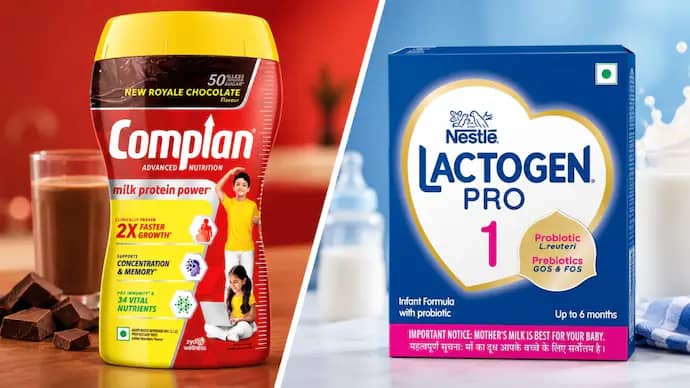
FSSAI has sought scientific evidence from Nestlé India regarding claims made for two infant nutrition products: Lactogen Pro 1 Powder and NAN Excella Pro Stage 1.
For Lactogen Pro 1, the regulator questioned the claim that the product’s whey protein is easy to digest and requested supporting documentation.
For NAN Excella Pro Stage 1, FSSAI examined the statement that five human milk oligosaccharides (HMOs) help support the normal immune system. The regulator questioned whether the wording complied with the applicable rules governing food claims.
The company has been asked to provide evidence and explain why further regulatory action should not be initiated.
2. Social Media Promotion of Infant Formula Under Scrutiny
FSSAI has also issued notices to Abbott Healthcare, Nestlé India, Nutricia International, Mead Johnson Nutrition India and influencer Ira Fathima over an Instagram Reel featuring a list of the “Top 5” infant formula products.
The products featured included NAN-Pro 1, Aptamil Premium 1, Similac Advance 1, Enfamil A+ Stage 1 and Dexolac 1.
According to the regulator, the promotional content attributed benefits such as balanced nutrition, stronger immunity, brain development and easy digestion to the products.
FSSAI alleged that the promotion could violate the Infant Milk Substitutes Act, 1992, as amended, and applicable provisions of the Food Safety and Standards (Foods for Infant Nutrition) Regulations, 2020.
The notices seek explanations from the parties involved. They should not be interpreted as final findings of liability.
3. Zydus Wellness Faces Questions Over Complan Claims
FSSAI has separately issued a notice to Zydus Wellness Products Limited concerning claims used to promote Complan, a nutritional drink marketed for children.
The regulator questioned statements appearing on packaging and online listings, including:
- “2X Faster Growth”
- “Supports Concentration and Memory”
- “Pro Immunity + 34 Vital Nutrients”
- “Grow Taller, Faster. Clinically Proven 2X Growth”
FSSAI has sought scientific justification for the claims and raised concerns about their compliance with the Food Safety and Standards (Advertising and Claims) Regulations, 2018.
The regulator also questioned the statement “Growth Comes in 4 Flavours” under the applicable advertising and claims rules.
The company has been directed to respond within the stipulated period.
4. Why Scientific Substantiation Matters
Food and nutrition companies use claims about digestion, immunity, growth and cognitive function to communicate product positioning and differentiate their offerings.
However, claims relating to health and physiological benefits are subject to specific regulatory requirements. Companies must ensure that their wording, supporting evidence and presentation comply with the applicable rules.
The latest notices highlight the importance of reviewing not only product labels but also online listings, influencer collaborations and social-media campaigns.
For manufacturers, this means regulatory compliance must be integrated into marketing and product-development decisions rather than treated as a final packaging check.
5. Implications for Dairy and Nutrition Businesses
The developments have wider relevance for the dairy industry, particularly businesses operating in infant nutrition, fortified foods and children’s nutritional drinks.
Three areas deserve attention:
Evidence-led marketing: Companies should maintain appropriate scientific documentation for claims made about product benefits.
Digital advertising oversight: Brands need to review influencer content, online product descriptions and social-media promotions, not just conventional advertisements.
Regulatory review: Product labels and marketing materials should be assessed against the applicable food-safety and advertising requirements before publication.
Clear, evidence-based communication can help businesses reduce regulatory risk and maintain consumer confidence.
What Happens Next?
The companies and other parties named in the notices have been asked to provide explanations and supporting evidence within the stipulated period. Further action will depend on the regulatory process and the responses received.
The notices represent regulatory scrutiny, not final determinations that the companies or individuals have violated the law.
The bottom line: In infant nutrition and children’s food products, credible marketing depends on more than compelling claims. Scientific substantiation, compliant communication and responsible digital promotion are essential to maintaining trust.
#DairyNews7x7 #FSSAI #FoodSafety #InfantNutrition #DairyIndustry #FoodRegulations #FoodLabelling #NutritionClaims #FoodAdvertising #NestleIndia #ZydusWellness #Complan #ConsumerProtection
Source: Read full story here 22 Oct, 2026 Edited and Reported by
Never miss an important dairy update
Follow DairyNews7x7 on Google to get live milk prices, policy alerts, and daily headlines directly in your feed.