Europe's Cheese Industry Faces Weather and Supply Chain Challenges in France and Italy
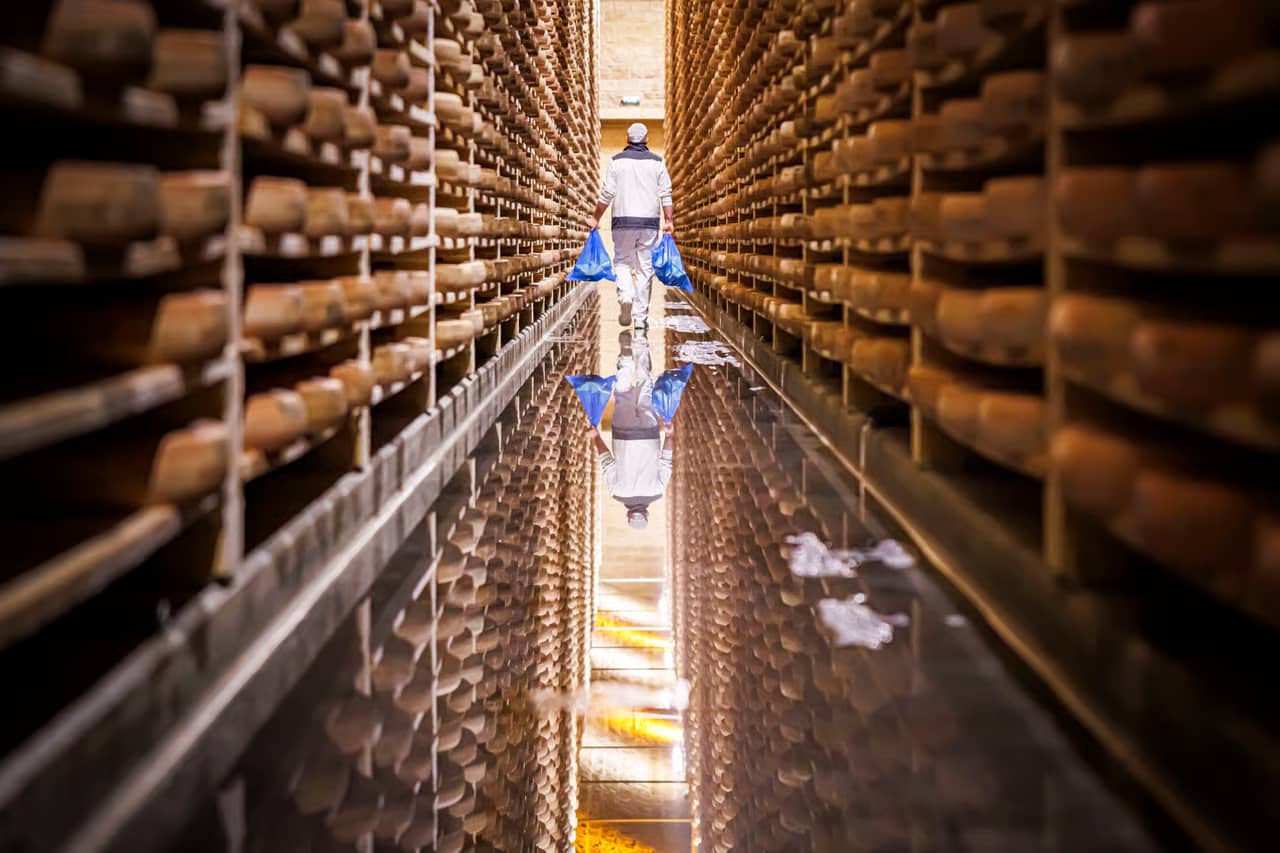
Europe's cheese industry is facing two very different disruptions: extreme weather is putting pressure on traditional production conditions in France, while transport strikes in Italy are interrupting the tightly timed supply chain behind one of its best-known cheeses, buffalo mozzarella.
A POLITICO article published on October 23, 2026, highlighted these developments in its Declassified humour column. Behind the satirical presentation are practical challenges for dairy producers, processors and distributors: maintaining traditional cheese-making requirements during difficult weather and ensuring that perishable milk reaches processing facilities on time.
France: Drought Puts Traditional Cheese Production Under Pressure
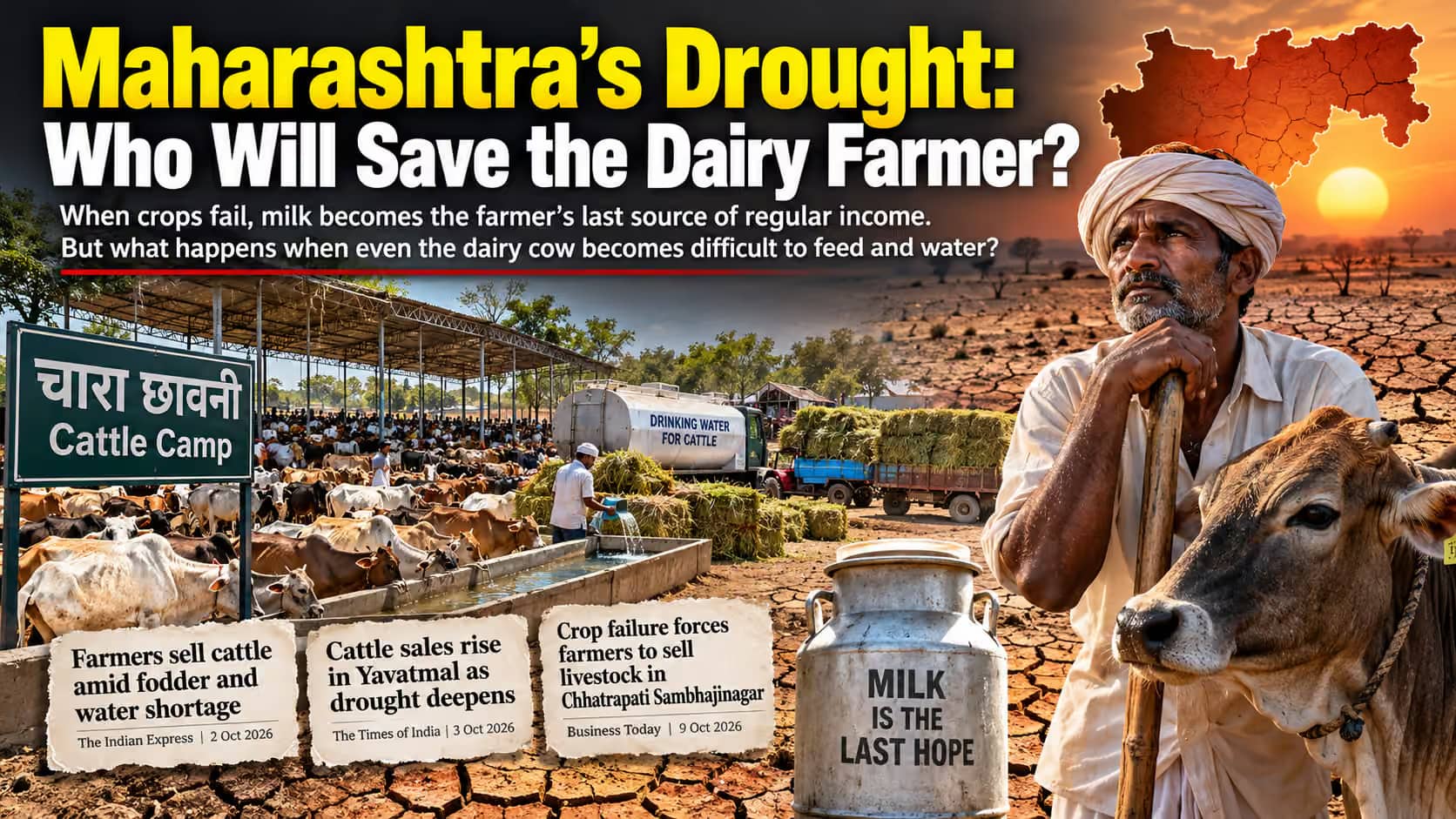
Drought and heatwaves across Europe have affected grazing conditions for dairy cattle, creating challenges for some French mountain cheeses.
Comté, Beaufort and Abondance are protected cheeses associated with specific production methods and geographical origins under France's Appellation d'Origine Protégée (AOP) system.
These production standards help preserve the characteristics and traditional methods associated with each cheese. However, when drought reduces the availability of suitable pasture, maintaining established feeding practices can become more difficult.
According to the POLITICO report, temporary flexibility was allowed in certain production rules so farmers could adjust cattle diets in response to limited grazing availability.
The situation illustrates a growing challenge for producers of geographically protected foods: how to respond to extreme weather while preserving traditional production standards and product identity.
Italy: Truckers' Strike Disrupts Buffalo Mozzarella Production
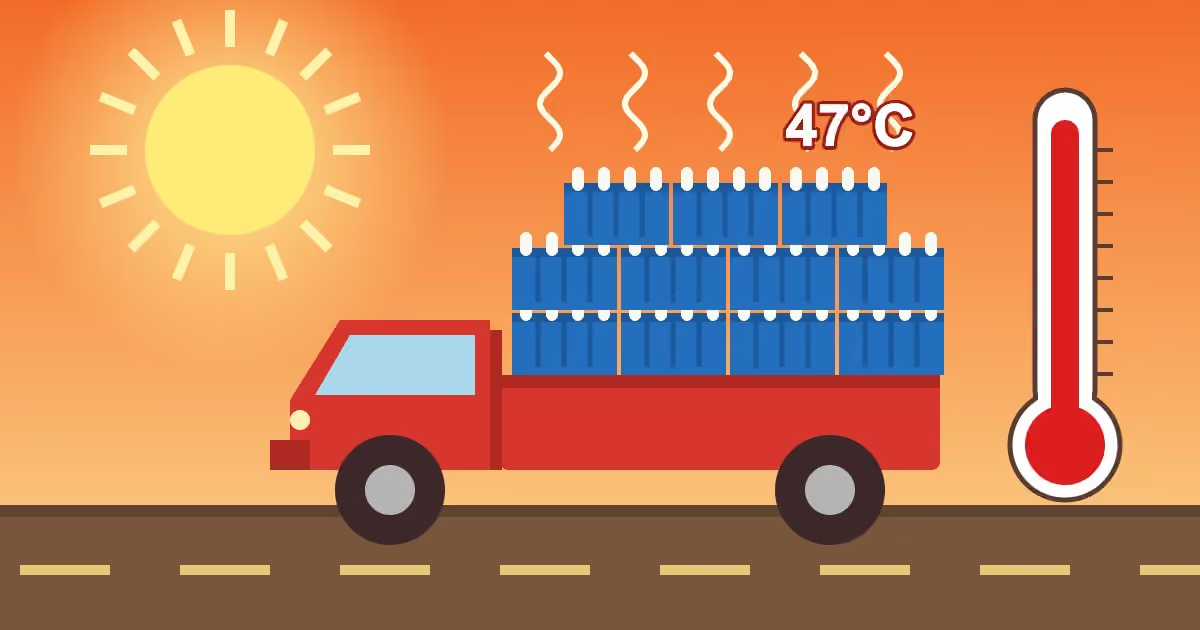
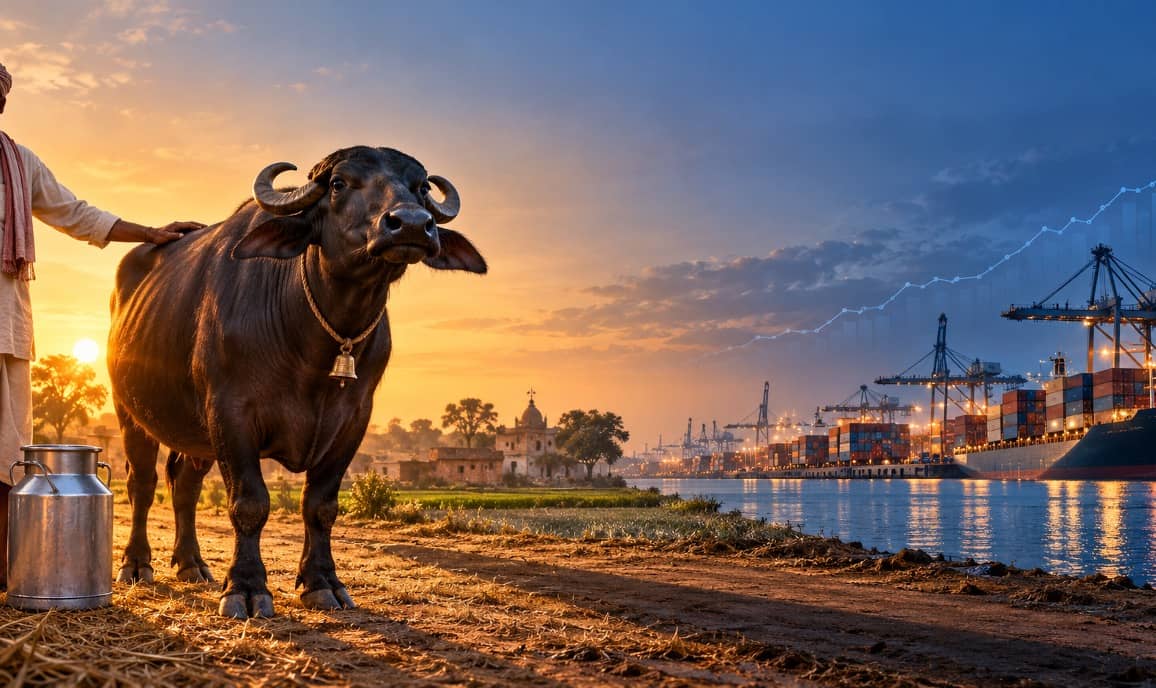
In southern Italy, a truckers' protest over high diesel costs has disrupted the supply chain for buffalo mozzarella.
The strike prevented buffalo milk from reaching dairies in the Naples region and also affected the distribution of finished products. The disruption was particularly serious because buffalo milk must be processed within a limited period under the cheese's production requirements.
According to reporting by the Associated Press, approximately one million litres of milk produced on Wednesday could not be processed. Pier Maria Saccani, director of the Mozzarella di Bufala Campana DOP protection consortium, estimated losses at around €3 million in just 24 hours.
The disruption highlights the dependence of specialist dairy products on reliable transport, processing capacity and coordinated collection schedules.
Unlike products that can be stored for extended periods before processing, fresh milk has a limited window in which it can be handled and converted into finished dairy products. When deliveries stop, the consequences can extend quickly from farms to dairies, retailers and consumers.
Why Protected Cheese Supply Chains Are Particularly Vulnerable
Protected-origin cheeses depend on more than the availability of milk. Their production is also governed by defined geographical, ingredient and manufacturing requirements.
This can make supply chains especially sensitive to disruption.
For producers of traditional mountain cheeses, extreme weather can affect pasture availability and feeding decisions. For buffalo mozzarella manufacturers, interruptions to milk collection or finished-product distribution can create immediate operational problems.
Both situations demonstrate that traditional dairy production needs to balance product authenticity with practical resilience.
Three Lessons for Dairy Businesses
1. Climate resilience must extend to the farm.
Drought preparedness, feed planning and responsible herd management can help farmers respond to difficult growing conditions while complying with applicable product standards.
2. Logistics are part of food safety and quality management.
Reliable milk collection, transport contingency plans and coordination between farms and processing plants are essential when dealing with perishable raw materials.
3. Rising energy costs can affect the entire value chain.
Higher diesel prices can place pressure on transport operators and dairy businesses alike. When logistics become uneconomical or transport stops altogether, the impact can reach production volumes, product availability and profitability.
What This Means for the Wider Dairy Industry
The challenges in France and Italy are distinct, but both reveal how vulnerable dairy value chains can be to disruptions outside the processing plant.
Weather-related pressure can alter farm practices and raw milk availability. Transport interruptions can prevent available milk from being processed or finished products from reaching customers.
For dairy companies, resilience therefore requires more than efficient manufacturing. It also depends on farm-level adaptation, dependable logistics, supply chain coordination and contingency planning.
Europe's cheese challenges are a reminder that dairy supply chains depend on a delicate balance of raw milk availability, traditional production requirements, energy costs and timely transport. When any one of these factors fails, the consequences can quickly spread across the value chain.
Sources: Read full story here 22 Oct, 2026 Edited and Reported by
#DairyIndustry #CheeseProduction #DairySupplyChain #FoodLogistics #DairyFarming #ClimateResilience #Mozzarella #EuropeanDairy
Never miss an important dairy update
Follow DairyNews7x7 on Google to get live milk prices, policy alerts, and daily headlines directly in your feed.