NDDB-Backed Dairy Cooperative Network to Connect 20,000 Village Societies Across 9 States
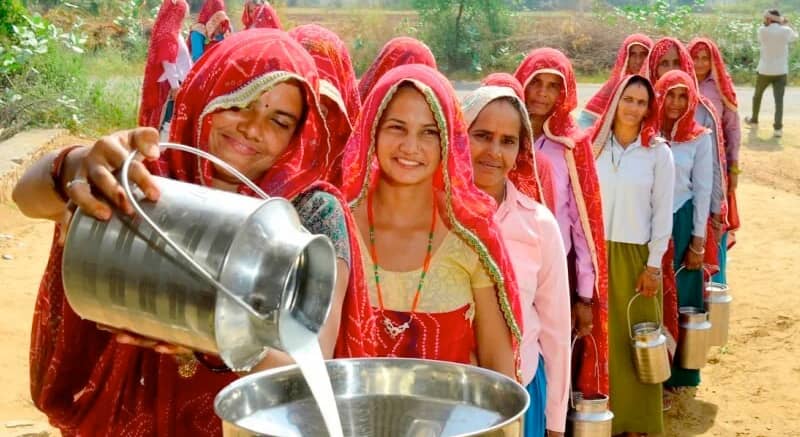
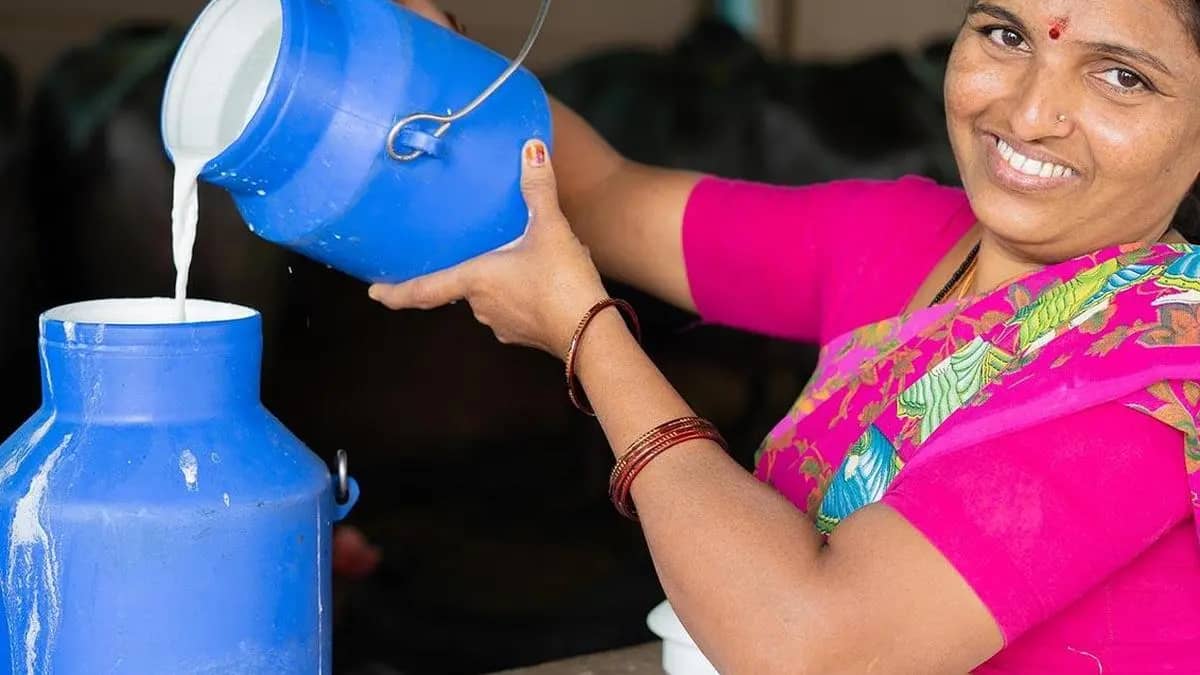
India's dairy cooperative network is set for another expansion, with a proposed national-level multi-state cooperative aiming to connect around 20,000 village societies across nine states. The initiative seeks to strengthen market access, improve collective bargaining and help small dairy farmers secure better returns for their milk.
Reported by Indian Cooperative on October 25, 2026, the initiative centres on the Cooperative Milk Producers’ Organization Multi-State Limited, a national-level cooperative anchored through the National Dairy Development Board (NDDB) in Anand, Gujarat. The proposed network will bring village-level milk pooling points into a more coordinated cooperative framework.
Nine States in the Proposed Network
The initiative covers Andhra Pradesh, Bihar, Gujarat, Maharashtra, Madhya Pradesh, Punjab, Rajasthan, Uttar Pradesh and West Bengal.
By connecting village-level milk collection infrastructure, the cooperative aims to bring small-scale producers into organised procurement and marketing channels. The approach is intended to reduce dependence on informal intermediaries and strengthen farmers' access to established dairy markets.
A coordinated network can also help village societies aggregate milk more efficiently and establish stronger connections with processing and distribution systems.
However, the proposed scale will need to be supported by effective implementation, transparent accounting, reliable procurement and professional cooperative management.
Can Cooperative Channels Improve Milk Prices?
The report cites Union Home and Cooperation Minister Amit Shah highlighting the potential difference between prices farmers receive in open markets and those available through cooperative channels.
According to the report, farmers selling milk in the open market may receive around ₹35 per litre, while cooperative participation could enable payments of up to ₹55 per litre.
These figures should be treated as indicative rather than guaranteed returns. Actual milk prices depend on factors such as fat and solids-not-fat content, milk quality, local market conditions, procurement costs and each cooperative's payment structure.
The underlying objective is to improve the share of consumer-market value reaching producers by strengthening collective procurement, processing and marketing.
For small farmers, more reliable market access and transparent payment systems can be particularly important when milk sales provide regular household income and help cover feed, veterinary and other livestock-management expenses.
Why Multipurpose Village Cooperatives Matter
Village-level cooperatives can do more than collect milk. When appropriately equipped and professionally managed, they can help connect producers with testing facilities, chilling infrastructure, organised buyers and other services.
Pooling milk from multiple producers can create operational efficiencies and provide processors with more organised procurement channels.
For these benefits to materialise, societies need appropriate milk-testing systems, reliable weighing, sound recordkeeping, transparent payment mechanisms and access to suitable infrastructure.
The wider cooperative-development agenda also recognises the importance of expanding rural institutions and improving their ability to support agricultural and allied activities. The government's White Revolution 2.0 programme focuses on expanding dairy cooperative coverage and strengthening existing societies, with support for milk procurement, testing, chilling and processing infrastructure.
White Revolution 2.0 and the Expansion of Dairy Cooperatives
The proposed network forms part of a broader policy environment focused on expanding the reach of cooperative institutions.
According to a Ministry of Cooperation update published by the Press Information Bureau on July 29, 2026, White Revolution 2.0 envisages establishing 75,000 new dairy cooperative societies in previously uncovered villages and strengthening 46,422 existing societies.
The same update reported that 24,097 new dairy cooperative societies had been formed and 31,394 existing societies strengthened at the time of publication. These figures relate to the wider White Revolution 2.0 programme, not exclusively to the proposed network of 20,000 village societies.
The policy emphasis is on extending organised milk procurement, strengthening rural dairy infrastructure and improving the economic role of cooperatives.
Connecting village societies across state boundaries could complement this broader effort by creating additional institutional links between producers and organised dairy markets.
What This Means for India's Dairy Industry
If implemented effectively, the network could offer several potential benefits:
- Stronger market access: Small producers may gain improved access to organised milk procurement and marketing channels.
- Greater collective bargaining: Coordinated procurement can strengthen the position of village societies when engaging with organised dairy businesses.
- Improved operational efficiency: Better links between collection points, chilling facilities and processors could support more consistent milk handling.
- More transparent payments: Reliable quality testing, accurate weighing and clear payment records can help build farmer confidence.
- Greater rural participation: Stronger cooperative institutions may create additional opportunities for small producers, including women and marginal farmers.
These are intended outcomes rather than guaranteed results. Their realisation will depend on the network's implementation, commercial viability, governance and ability to deliver tangible benefits to participating farmers.
The Bottom Line
India's dairy sector depends not only on milk production but also on the institutions that connect producers with buyers.
A cooperative network spanning nine states and approximately 20,000 village societies could strengthen those connections by improving market access, procurement coordination and collective bargaining.
The key measure of success will not simply be the number of societies linked to the network. It will be whether farmers receive reliable payments, gain access to stronger markets and retain a more sustainable share of the value generated by their milk.
For India's dairy industry, the next stage of cooperative growth must turn institutional expansion into measurable benefits at the village level.
#DairyIndustry #DairyCooperatives #DairyNews7x7
Source: Read full story here 26 Oct, 2026 Edited and Reported by
Never miss an important dairy update
Follow DairyNews7x7 on Google to get live milk prices, policy alerts, and daily headlines directly in your feed.