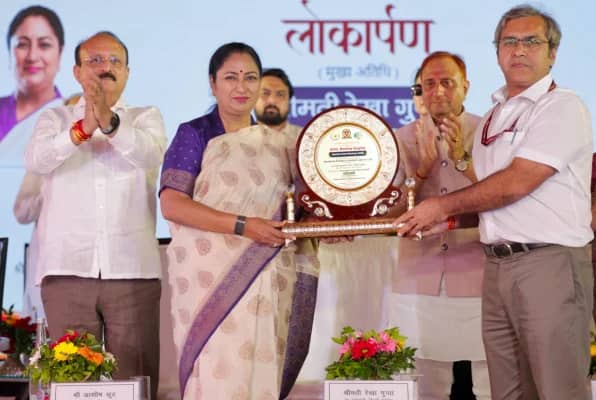
Delhi is expanding its dairy-waste management infrastructure with a new biogas plant at Goyla Dairy in Najafgarh. The facility is designed to process 200 metric tonnes of cattle dung every day, converting a major waste-management challenge into a potential source of renewable energy and organic fertiliser.
Developed by the Municipal Corporation of Delhi (MCD) at a cost of ₹16 crore, the project aims to reduce the flow of cattle dung into drains and ultimately the Yamuna River.
1. A 200-Tonne Daily Processing Capacity
The Goyla Dairy facility is designed to process approximately 200 tonnes of cattle dung daily.
The project addresses a persistent challenge in dairy colonies, where inadequate collection and disposal of animal waste can contribute to blocked drains, poor sanitation and water pollution.
By collecting and processing dung systematically, the plant aims to improve waste management while generating useful products.
2. Turning Cattle Waste into Compressed Biogas
The plant is expected to produce approximately 14,000 cubic metres of raw biogas and 5.6 tonnes of purified compressed biogas (CBG) each day.
The CBG is intended to be supplied to Indraprastha Gas Limited through a pipeline.
Biogas is produced when microorganisms break down organic matter in the absence of oxygen, a process known as anaerobic digestion. After purification, the methane-rich gas can be used as a fuel.
The expected output represents an opportunity to recover energy from material that might otherwise be discarded or improperly managed. Actual production will depend on plant operations and the characteristics of the feedstock.
3. Organic Fertiliser Adds Value
The process also produces residual slurry that can be processed into organic fertiliser.
This creates a second potential benefit alongside fuel production: recovering nutrients from cattle waste for agricultural use.
For the dairy sector, such systems demonstrate how better waste management can contribute to a circular economy, where by-products are converted into useful resources rather than treated solely as disposal problems.
4. Dairy Farmers Could Earn from Waste Collection
Under the Goyla Dairy project, the designated agency is expected to purchase cattle dung from dairy operators at ₹0.67 per kilogram.
This arrangement could provide livestock owners with an additional revenue stream while encouraging regular collection and reducing the burden of waste disposal.
For dairy operators, the effectiveness of the system will depend on reliable collection schedules, transparent payments and convenient access to the facility.
5. Part of Delhi’s Wider Biogas Programme
The Goyla facility follows earlier biogas projects in Delhi, including the 200-tonne-per-day plant at Nangli Dairy and a 100-tonne-per-day facility at Ghogha Dairy.
The government has also outlined plans for additional facilities to increase the city’s capacity to process cattle dung.
According to estimates reported by Hindustan Times, Delhi generates around 1,500 tonnes of cattle dung daily, leaving a substantial gap between waste generation and processing capacity. <Cite refs={["turn595446search1","turn595446search3"]}/>
Expanding infrastructure will therefore be important if the city is to manage dairy waste more systematically.
What This Means for India’s Dairy Industry
The Goyla project highlights an opportunity for dairy clusters across India: cattle dung can be treated as a recoverable resource rather than simply a waste-disposal challenge.
Similar initiatives could support renewable fuel production, improve local sanitation and create additional value for livestock owners. However, long-term success will depend on consistent feedstock collection, efficient plant operations, viable offtake arrangements and proper management of the residual slurry.
Source: Dairynews7x7 20 Oct, 2026 Read full story here
#DairyNews7x7 #DairyIndustry #Biogas #CompressedBiogas #DairyWasteManagement #RenewableEnergy #CattleDung #CircularEconomy #SustainableDairy #CleanEnergy #OrganicFertiliser #YamunaRiver #IndianDairyIndustry
Never miss an important dairy update
Follow DairyNews7x7 on Google to get live milk prices, policy alerts, and daily headlines directly in your feed.