New Zealand’s dairy industry is moving closer to a potential overhaul of its sharemilking legislation, following commitments from both major political parties to review laws that have not kept pace with changes in dairy farming.
The National Party has pledged to review the legislation if re-elected, following a similar commitment from Labour. Federated Farmers has welcomed the growing political support and is calling for stronger legal protections for contract milkers.
1. Political Support Builds for Legal Reform
The proposed review centres on the Sharemilking Agreements Act 1937 and the Sharemilking Agreements Order 2011.
National agriculture spokesperson Todd McClay said his party would review the Act if re-elected, with the aim of reflecting the growth of contract milking, protecting young entrants and reducing disputes.
Labour had previously committed to reviewing the sharemilking laws. The commitments from both parties represent an important step towards putting reform on the political agenda, although the review and any legislative changes have yet to take place.
2. Contract Milkers Seek Stronger Legal Protections
A central concern is the difference in legal protections available to contract milkers and sharemilkers.
Contract milkers are generally paid an agreed rate rather than receiving a share of farm returns. As a result, they fall outside the statutory protections that apply to certain sharemilking arrangements.
Federated Farmers says this distinction can leave contract milkers relying on individual agreements and general contract law, rather than the minimum terms and dispute-resolution processes available under the existing sharemilking framework.
The organisation wants future legislation to recognise the nature of the work being performed, rather than relying solely on the payment structure.
3. Contract Milking Represents a Significant Part of the Sector
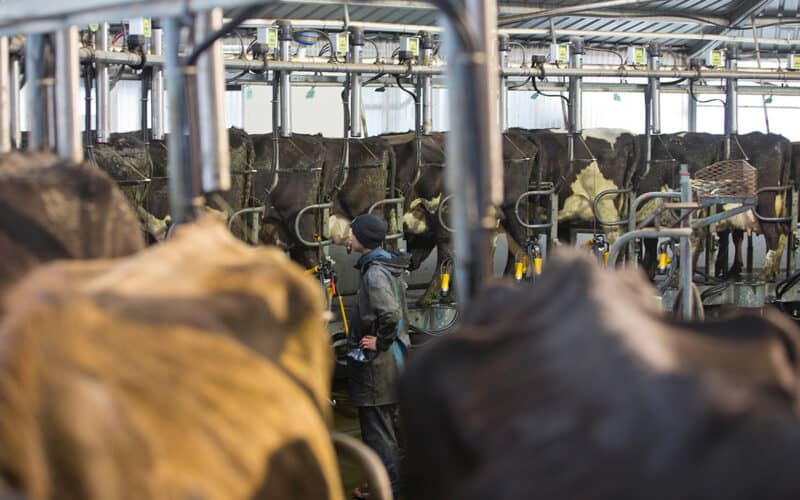
Contract milking has become an important pathway for people looking to build experience, skills and capital before progressing further in the dairy industry.
According to Farmers Weekly, 1,367 dairy herds were operated by contract milkers during the 2024/25 season, accounting for 13.2% of all dairy herds.
Federated Farmers argues that the scale of contract milking makes it increasingly important to ensure the legal framework reflects current industry practices.
4. Farm Owners Also Have a Stake in Reform
The proposed changes could affect farm owners as well as contract milkers and sharemilkers.
Sharemilking and contract milking arrangements can help aspiring farmers gain business experience and build capital, while allowing established farm owners to plan succession or gradually transition out of their businesses.
Federated Farmers says reform should provide appropriate and consistent minimum protections without undermining the flexibility that makes these arrangements valuable.
5. Dispute Resolution and Modern Agreements Under Review
Federated Farmers is seeking clearer rules around revenue and incentive payments, alongside more accessible and proportionate dispute-resolution processes.
The organisation also wants comparable dairy operating arrangements to receive appropriate protections without automatically treating independent operators as employees.
Getting this balance right will be important. Any changes will need to address gaps in legal protection while preserving workable commercial relationships between farm owners and operators.
Source: Dairynews7x7 20 Oct, 2026 Read full story here
#DairyNews7x7 #NewZealandDairy #DairyIndustry #Sharemilking #ContractMilking #DairyFarming #DairyFarmers #AgricultureNews #FarmPolicy #FederatedFarmers #DairyBusiness #Agriculture
Never miss an important dairy update
Follow DairyNews7x7 on Google to get live milk prices, policy alerts, and daily headlines directly in your feed.