China’s food industry is evolving beyond conventional product innovation. Functional dairy, digitalised farming and alternative proteins are emerging as important areas of development, with major companies exploring new technologies and responding to changing consumer needs.
Recent developments involving dairy giants Mengniu and Yili highlight how innovation is extending from product formulation to farm management, while China’s cultivated meat ambitions face the challenge of consumer acceptance.
1. Mengniu Explores Functional Dairy for the GLP-1 Era
Chinese dairy major Mengniu is highlighting its patented probiotic strain LC19 as part of its focus on functional dairy products.
According to FoodNavigator, the company has promoted the ingredient through a documentary examining its potential role in stimulating the body’s secretion of GLP-1, a hormone associated with metabolic processes.
The development comes as interest in GLP-1 medicines expands beyond their original diabetes-management applications towards weight management. However, the food industry’s role in this evolving landscape remains uncertain, and functional dairy products should not be presented as substitutes for medical treatment.
For dairy manufacturers, the development illustrates growing interest in products that connect traditional nutrition categories with specific functional attributes.
2. Yili Advances Digitalisation in Dairy Farming
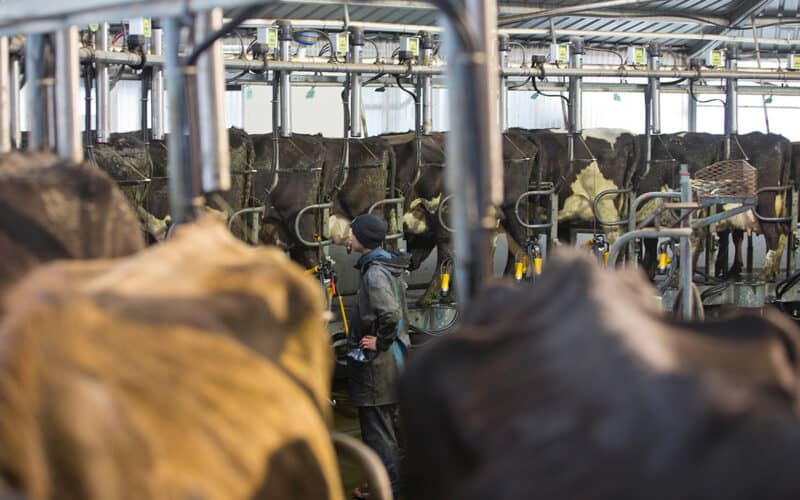
Yili is pursuing comprehensive digitalisation at its Modern Smart Health Valley facility in Hohhot, China.
The company uses digital identities and individual records for cows to monitor information such as growth, health and milk production in real time. According to a Yili spokesperson quoted by FoodNavigator, these records help inform nutrition planning tailored to individual animals.
The approach illustrates how digital technologies can support more data-driven farm management.
For the dairy sector, such systems offer a potential pathway towards better-informed feeding decisions, closer monitoring of animal health and more structured production management. The actual benefits, however, depend on implementation and measurable farm-level outcomes.
3. China’s Cultivated Meat Ambitions Face a Consumer Challenge
China is positioning alternative proteins within a broader strategy covering food security, nutrition, sustainability and changing consumer needs.
Yet technological progress alone may not guarantee commercial success.
FoodNavigator highlights a significant challenge for cultivated meat: consumer attachment to familiar foods, shaped by personal preferences, cultural traditions and history.
Producing an alternative protein at a competitive price is only one part of the equation. Manufacturers must also establish consumer trust, appeal to local tastes and give people compelling reasons to change established eating habits.
4. Alternative Proteins Are Part of a Wider Food-Security Strategy
China’s interest in alternative proteins extends beyond the launch of individual products.
As highlighted in the report, researchers and industry stakeholders are considering how future food systems can diversify protein sources and strengthen food security.
This places alternative proteins within a wider discussion about how food production may evolve to address nutrition needs, sustainability goals and supply resilience.
For companies exploring this space, the opportunity will depend on more than technological novelty. Product quality, affordability, consumer acceptance and scalable production will all influence commercial viability.
5. The Bigger Trend: Turning Innovation into Practical Value
The developments involving Mengniu, Yili and alternative-protein researchers point to a common industry challenge: converting emerging technologies and consumer trends into practical, commercially viable solutions.
For dairy businesses, three areas deserve attention:
- Functional product development: Connecting dairy ingredients with clearly substantiated nutritional benefits.
- Digital farm management: Using animal-level data to support informed decisions about feeding, health and milk production.
- Protein diversification: Evaluating alternative protein technologies while accounting for consumer preferences, affordability and food-security needs.
Source: Dairnews7x7 20 Oct, 2026 Read full story here
#DairyNews7x7 #DairyIndustry #ChinaDairyIndustry #DairyInnovation #FunctionalDairy #FoodTechnology #AlternativeProteins
Never miss an important dairy update
Follow DairyNews7x7 on Google to get live milk prices, policy alerts, and daily headlines directly in your feed.