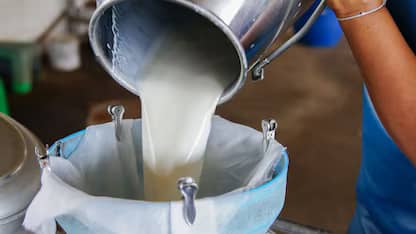
Tamil Nadu's state-owned dairy cooperative Aavin is facing renewed scrutiny over its financial health, milk procurement and product availability, with PMK president Anbumani Ramadoss calling for an expert committee to examine the organisation's operations.
The demand, reported on October 25, 2026, comes amid continuing concerns about milk procurement levels, the cooperative's financial performance and the availability of value-added dairy products.
Ramadoss has urged the Tamil Nadu government to establish a committee to assess Aavin's financial and administrative position and recommend measures to restore profitability and strengthen operations. His demand reflects concerns raised by political representatives and dairy-sector stakeholders about the cooperative's ability to compete in the state's changing milk market.
More Than 100 Dairy Products Reportedly Affected
According to Ramadoss, Aavin has suspended production of more than 100 products from a portfolio that previously included over 230 dairy and related food products.
The items he identified include paneer, butter, milk powder, flavoured milkshakes, dry-fruit powder mixes, cookies and chocolates. He questioned why the cooperative was reportedly unable to meet demand for products such as butter, paneer, ghee and flavoured dairy beverages.
These statements are claims cited in the report; they should not be interpreted as independently verified confirmation that every listed product has been permanently discontinued.
Nevertheless, the reported concerns raise an important operational question for dairy businesses: how can a cooperative maintain its core milk supply while also developing and distributing higher-value products?
Value-added dairy products can provide opportunities to diversify revenue and improve margins. However, they require suitable processing facilities, reliable raw-material supplies, effective distribution and sufficient demand.
When milk procurement falls or working capital becomes constrained, maintaining a broad product portfolio can become more difficult.
Milk Procurement Remains a Critical Pressure Point
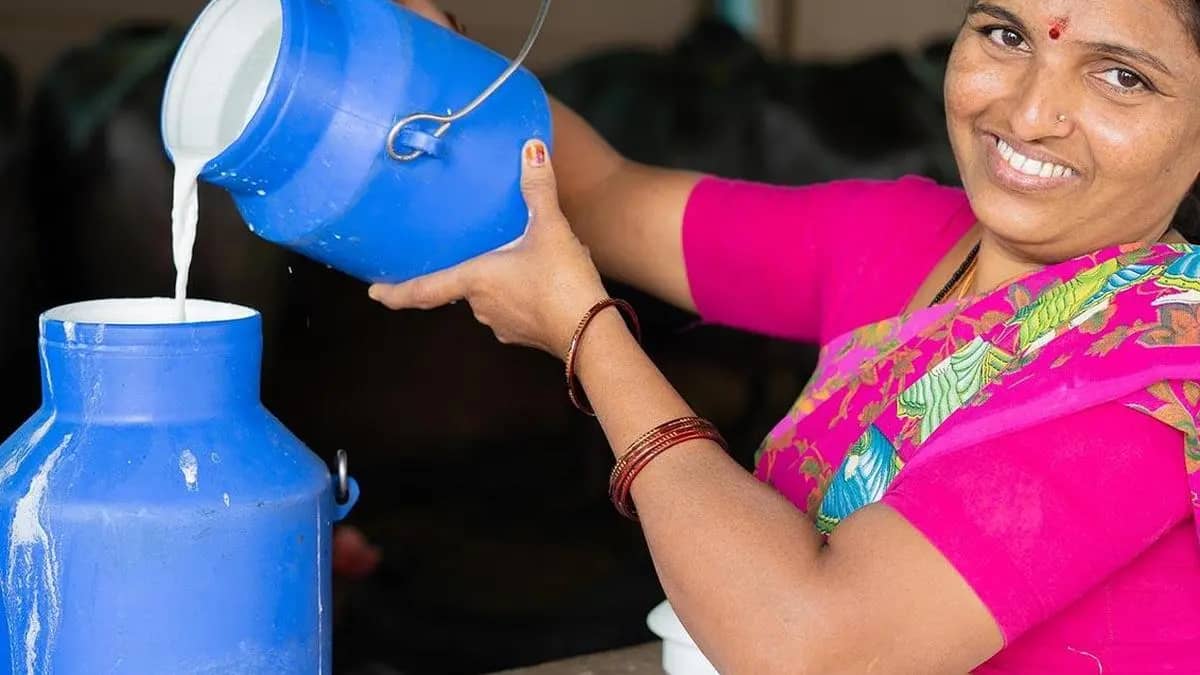
Aavin's ability to procure sufficient milk from farmers is central to its supply-chain performance.
According to the figures cited by Ramadoss, the cooperative's daily milk procurement reached approximately 41 lakh litres in 2021 before declining to 28 lakh litres by August 2026. Procurement subsequently recovered to around 32 lakh litres per day following an increase in the price paid to producers.
The decline is significant because milk procurement determines the raw material available for processing and distribution.
Insufficient procurement can affect the availability of packaged milk and restrict production of products that require milk, cream or other dairy components. A shortfall may also force a business to rely on alternative sourcing or reconstituted milk, potentially changing its cost structure.
Earlier reporting by The New Indian Express described declining procurement and financial losses as factors affecting Aavin's operations during 2025–26. The report also noted that the cooperative's federation and several district unions recorded combined losses of approximately ₹143 crore for the financial year.
These developments indicate that procurement, product availability and profitability are interconnected rather than separate management issues.
Higher Procurement Prices: Support for Farmers, but a Cost for the Cooperative
The Tamil Nadu government has revised the prices paid for qualifying milk supplied to Aavin.
Under the revised rates effective September 1, 2026, the procurement price for cow milk meeting the specified quality criteria increased from ₹38 to ₹44 per litre. The rate for buffalo milk rose from ₹47 to ₹53 per litre.
Higher procurement prices can help dairy farmers manage feed, veterinary, labour and other production costs. They may also help cooperatives attract milk from producers who have alternative buyers.
However, the additional procurement expense must be balanced against the revenue generated from selling milk and dairy products.
Where retail prices remain unchanged, the cooperative must find ways to improve efficiency, increase sales, manage operating expenses or secure appropriate financial support.
This creates a difficult balancing act: paying farmers competitively while maintaining affordable consumer prices and protecting the organisation's financial sustainability.
Why an Independent Expert Review Could Matter
Ramadoss has called for an expert committee to examine Aavin's operations and recommend steps to improve financial health and profitability. He has also urged the government to ensure that milk and other dairy products are manufactured and distributed at full capacity.
An effective review could examine several areas:
- Milk procurement: Identify why volumes declined and assess whether pricing, payment systems, producer services or competing buyers are affecting supply.
- Financial performance: Review procurement costs, retail pricing, subsidies, debt, working capital and product-level profitability.
- Manufacturing capacity: Assess whether existing processing facilities are being used efficiently and identify bottlenecks affecting production.
- Product portfolio: Determine which value-added products have sustainable demand and whether the cooperative has the infrastructure and raw materials to manufacture them competitively.
- Distribution and availability: Evaluate whether shortages arise from procurement constraints, manufacturing limitations, logistics or inventory planning.
- Governance and accountability: Establish measurable performance targets, transparent reporting and clear responsibility for implementing corrective measures.
These are potential areas for an expert review, rather than findings about the causes of Aavin's current difficulties.
The cooperative's financial position and product-level operations would need to be examined using verified records before conclusions could be drawn.
The Broader Challenge for India's Dairy Cooperatives
Aavin's situation highlights a wider challenge for dairy cooperatives operating in competitive markets.
Private dairies and cooperative brands compete for milk supplies, retail customers and shelf space. Farmers consider procurement prices, payment reliability and access to services when choosing buyers, while consumers expect consistent availability at affordable prices.
A cooperative must therefore manage two linked responsibilities: providing a dependable market for milk producers and supplying consumers efficiently.
A business model that prioritises low retail prices without adequately covering procurement and operating costs can come under financial pressure. Conversely, increasing prices without improving efficiency or maintaining consumer demand may also create difficulties.
Long-term sustainability requires coordination across procurement, processing, distribution, pricing and governance.
The PMK's demand for an expert panel has brought renewed attention to Aavin's reported operational and financial challenges.
The immediate questions concern milk procurement, product availability and profitability. The longer-term challenge is to ensure that Aavin can offer farmers a dependable market, deliver products consistently to consumers and compete effectively in Tamil Nadu's dairy sector.
The real test will be whether a review—if constituted—produces measurable improvements in milk procurement, manufacturing efficiency, product availability and financial performance.
Source: Read full story here 26 Oct, 2026 Edited and Reported by
#Aavin #DairyIndustry #DairyCooperatives #MilkProcurement #DairyNews7x7
Never miss an important dairy update
Follow DairyNews7x7 on Google to get live milk prices, policy alerts, and daily headlines directly in your feed.