U.S. dairy processors are investing an estimated $14.4 billion across 77 projects in 21 states, even as many dairy producers face milk prices that are close to or below their cost of production, according to Dairy Herd.
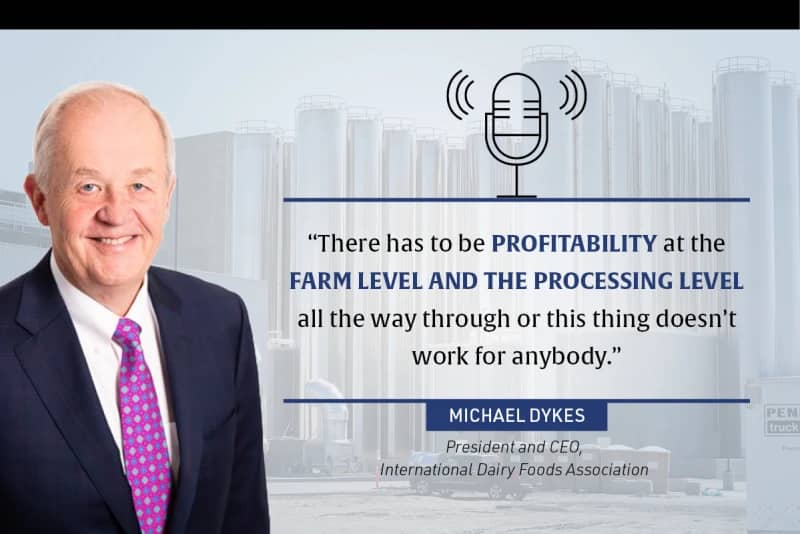
The investment wave includes new processing facilities and expansions, reflecting expectations of continued growth in dairy demand, particularly for protein-rich and value-added products. Michael Dykes, president and CEO of the International Dairy Foods Association, said the investments also extend beyond processing, with dairy farms expanding to support future milk supply.
Protein demand is emerging as a major driver. The report cites cottage cheese sales rising more than 14%, expansion in high-protein fluid milk processing and growing demand for dairy proteins. U.S. dairy exports are also approaching $10 billion, according to the report.
However, producer economics remain challenging. Rabobank senior dairy analyst Lucas Fuess said Class III milk prices were in the mid-to-high $17 range, while Class IV prices were in the high $18 to low $19 range. For many farms, these levels are close to or below production costs.
The U.S. milk supply has also been growing strongly. Milk production was reported to be 3–4% above the previous year, more than twice the long-term average growth rate of about 1.5%. Fuess expects production to continue expanding through the remainder of 2026 and into 2027.
One source of additional farm income is beef-on-dairy, with calf and cull-cow sales estimated to contribute around 10–15% of dairy-farm revenue. The report notes that this revenue stream is helping some producers offset weaker milk margins.
The relationship between processors and producers is increasingly interconnected. New processing capacity requires a reliable supply of milk, while farmers considering expansion need confidence that processors will continue purchasing their production. Fuess said some farmers are therefore expanding facilities and cow numbers ahead of plants that are expected to require additional milk in 2027 and 2028.
Regional milk availability is also becoming an important factor. Dykes said milk supplies were relatively tight in the Northeast and somewhat tighter in the Midwest, indicating that the impact of expanding production capacity will vary by region.
Exports provide another important outlet for growing U.S. milk production. According to the report, the U.S. now exports products equivalent to about 17% of its milk production, compared with 2–3% in 1995. Dairy exports are expected to exceed $10 billion in 2026, while cheese is expected to post another record export year.
Innovation is also supporting processor investment. Growth in protein-enriched fluid milk, whole milk, cottage cheese and other value-added dairy products is creating additional demand for milk while responding to changing consumer preferences.
The report highlights a structural challenge for the industry: large investments are being made based on expectations of future demand and milk supply, while producers must manage current feed, labour and other operating costs. Industry analysts therefore see the long-term opportunity and short-term farm economics as closely linked.
For the U.S. dairy sector, the scale of investment suggests confidence in future domestic and international demand, but the ability of farms to remain financially sustainable will remain important as new processing capacity comes online.
Source: Dairynews7x7 03 Oct, 2026 Read full story here
#DairyIndustry #USADairy #DairyProcessing #MilkProduction #DairyExports #DairyNews7x7
Never miss an important dairy update
Follow DairyNews7x7 on Google to get live milk prices, policy alerts, and daily headlines directly in your feed.