Drought conditions across Maharashtra are putting dairy farmers under increasing pressure, with shortages of nutritious fodder and water raising concerns about livestock health, milk production and the quality of milk reaching consumers.
The state has declared 265 of its 358 talukas drought-affected following deficient rainfall, particularly during August and September. Marathwada and Vidarbha are among the worst-affected regions, while parts of northern and western Maharashtra are also facing water and fodder shortages.
As green fodder becomes harder to obtain, farmers may have to rely on dry fodder, crop residues and other available feed sources. However, compromising on feed quality can affect animal nutrition, milk yield and the overall economics of dairy farming.
The rising cost of cattle feed and fodder is adding to the financial burden. Industry estimates indicate that producing one litre of cow milk can cost around ₹28–30, while buffalo milk production can cost approximately ₹40–45 per litre for small farmers, depending on feed, animal care and other expenses.
Reported procurement prices in Maharashtra stand at approximately ₹42 per litre for cow milk and ₹56 per litre for buffalo milk, subject to specified fat and solids-not-fat (SNF) levels. In Mumbai, retail prices are around ₹60 per litre for cow milk and ₹78 for buffalo milk, although prices vary by dairy and product specification.
Farmer representatives have warned that fodder shortages could reduce milk output in drought-hit areas. The availability of drinking water is also critical, as heat stress and inadequate hydration can reduce feed intake, affect lactation and increase animal-health costs.
The situation has implications beyond farm productivity. Prolonged pressure on milk supply and production costs could contribute to higher retail prices for milk and dairy products. Industry observers have also raised concerns about the risk of adulteration under supply pressure, although drought conditions alone do not establish that milk has been adulterated.
The crisis highlights the need for timely support to dairy farmers through reliable drinking-water supplies, fodder distribution, scientific storage of crop residues, silage production and access to affordable, nutritionally balanced feed. These measures can help protect animal welfare while supporting milk production during periods of climatic stress.
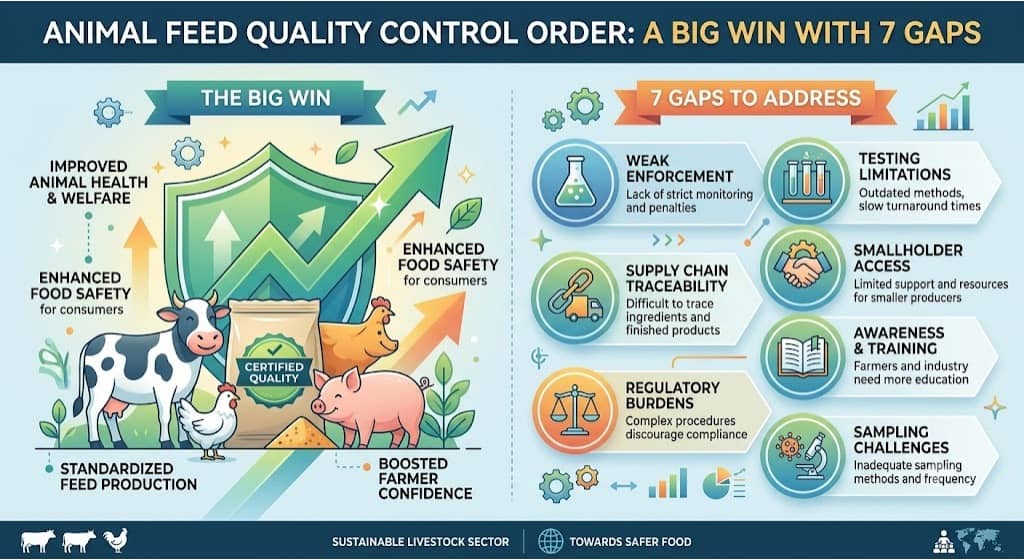
For dairy processors and cooperatives, maintaining milk-quality testing, transparent procurement standards and effective supply-chain monitoring will remain important as drought-related pressures intensify. Protecting the dairy supply chain requires action on both farm-level resilience and consumer food safety.
Source: Dairynews7x7 15 Oct, 2026 Read full article here
#DairyIndustry #MilkQuality #DairyFarming #MaharashtraDrought #FoodSafety #MilkProduction #DairyNews7x7
Never miss an important dairy update
Follow DairyNews7x7 on Google to get live milk prices, policy alerts, and daily headlines directly in your feed.