India’s dairy industry is facing an unusual seasonal challenge: milk prices may remain elevated even as the traditional flush season begins. Normally, the October-to-February period brings higher milk availability, helping the industry build stocks for the lean season.
This year, however, uneven monsoon rainfall, rising cattle-feed and fodder costs, and stronger demand for dairy products are putting pressure on the expected supply recovery.
According to Business Standard, industry participants believe these factors could keep milk prices firm through the festive period.
1. Why Milk Prices May Remain High
Milk production has come under pressure from weather-related disruptions and higher input costs.
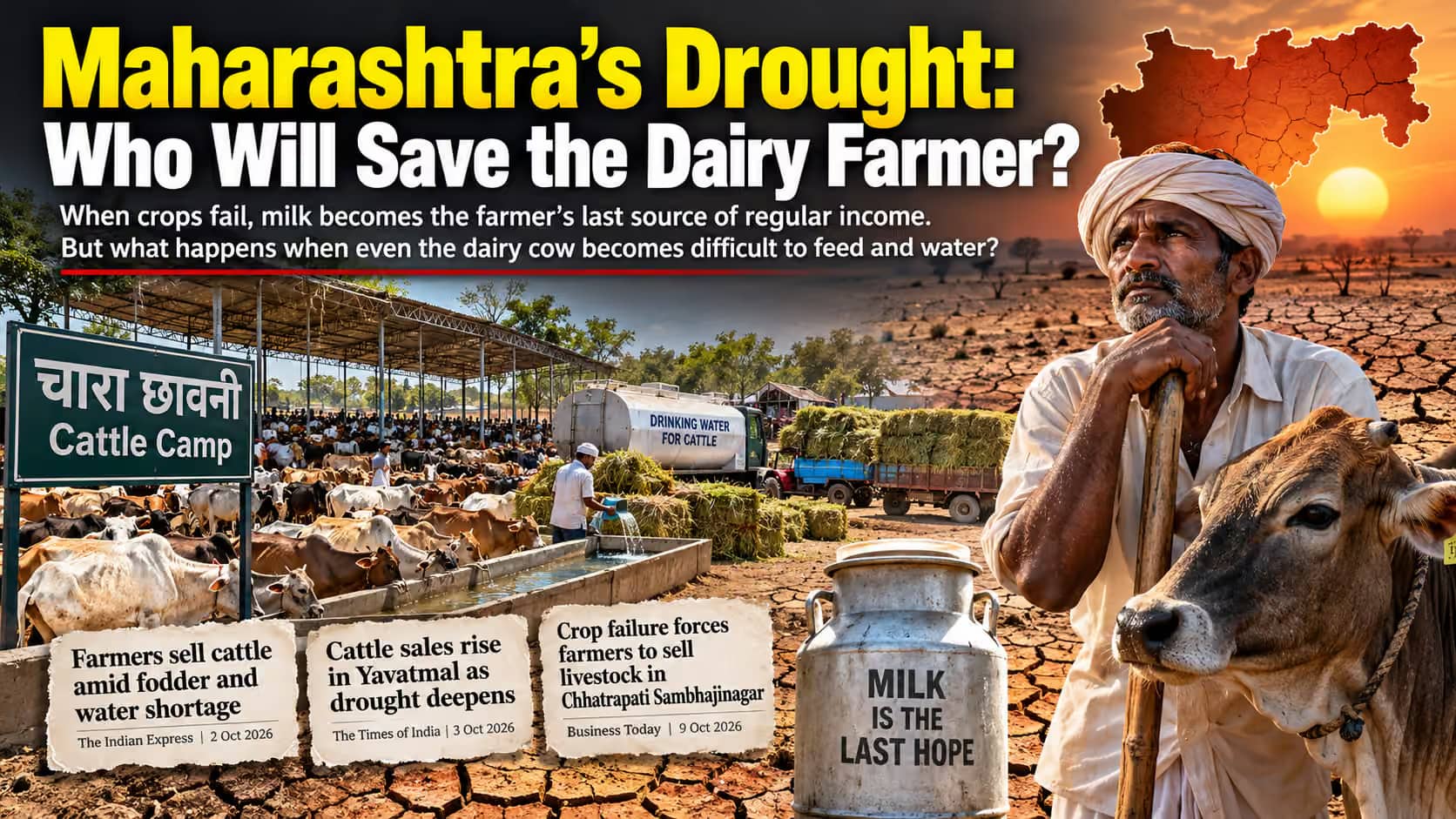
Uneven rainfall has affected fodder availability in different parts of the country. Some areas have experienced flooding, while others have received below-normal rainfall, affecting the availability of water and green fodder for dairy animals.
At the same time, cattle-feed costs in September 2026 were reported to be around 15–20% higher than a year earlier. More expensive maize, de-oiled rice bran cake, soya-based ingredients and other feed components have increased production costs for dairy farmers.
These pressures could limit the usual seasonal improvement in milk supply.
2. Repeated Price Hikes Reflect Rising Costs
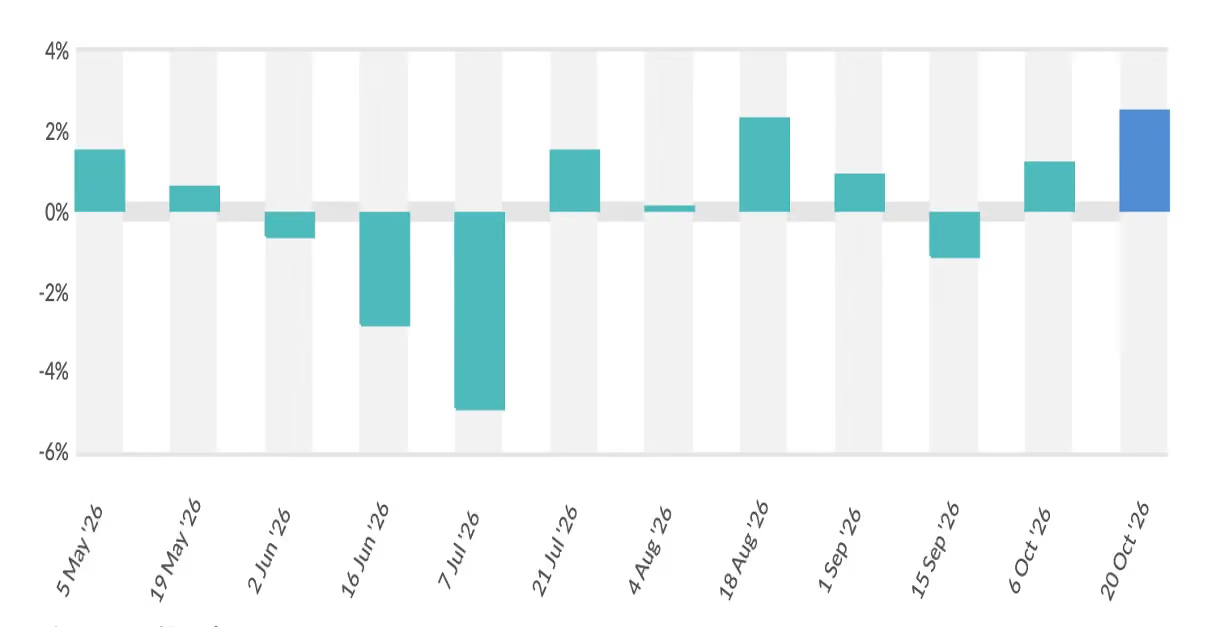
The report highlights several retail milk price increases between May and August 2026.
A senior industry official cited by Business Standard said cow milk was selling at around ₹42 per litre, approximately 30% above the previous year's level. Buffalo milk procurement prices had also risen substantially.
The impact has extended beyond liquid milk to products such as cheese, curd and yoghurt.
Official inflation data cited in the report showed that inflation for the broader milk category, including milk and milk products, increased from 3.06% in January 2026 to 4.81% in August 2026. Inflation in the liquid-milk category rose from 2.89% to 3.91% over the same period.
3. Analogue Paneer Restrictions Could Increase Dairy-Milk Demand
Another factor influencing the market is the crackdown on analogue paneer in several states.
Unlike conventional paneer made from milk, analogue products can use vegetable fats and other non-dairy ingredients. Restrictions on such products could encourage some hotels, restaurants and food-service businesses to shift towards dairy-based paneer.
That shift may increase demand for milk used in paneer production, potentially adding pressure to an already constrained supply situation.
The market response will depend on how much food-service demand shifts to conventional dairy products and whether producers can increase output to meet it.
4. Parag Milk Foods Plans Paneer Capacity Expansion
The growing demand for dairy-based paneer is also influencing investment decisions.
Parag Milk Foods announced plans to invest approximately ₹100 crore to expand its paneer manufacturing capacity by 60 metric tonnes per day at its Manchar facility in Maharashtra and its Palamaner unit in Andhra Pradesh.
The company was reported to be producing around 20 tonnes of paneer daily at its facilities. The proposed expansion would increase its capacity to meet demand for value-added dairy products.
The development illustrates how regulatory changes and shifts in food-service demand can influence investment across the dairy processing industry.
5. Global Dairy Markets Add Another Layer of Pressure
International dairy commodity prices are also relevant to India's milk market.
According to the report, global skimmed milk powder prices in the Oceania region were around ₹3,667 per tonne in August 2026, nearly 30% higher than a year earlier. Domestic skimmed milk powder prices were reported at approximately ₹260–270 per kg.
India's domestic skimmed milk powder stocks, estimated at around 100,000–150,000 tonnes, could provide a buffer by allowing processors to reconstitute milk when needed.
However, milk-fat prices have followed a different trajectory. Domestic butter prices were reported at approximately ₹540 per kg, around 20% higher than a year earlier.
These differences underline the importance of monitoring milk fat, milk powder and protein markets separately rather than treating all dairy commodities as one market.
6. Could Milk Prices Rise Again During Diwali?
With Diwali approaching and milk availability not expected to increase sharply, an industry executive cited by Business Standard suggested that another retail price increase of around ₹1–2 per litre was possible.
This was an industry expectation, not a confirmed nationwide price revision.
Any actual increase will depend on milk procurement costs, regional supply conditions, consumer demand and individual dairy companies' pricing decisions.
What This Means for India's Dairy Industry
The 2026 flush season is highlighting how weather conditions, feed economics, regulatory changes and demand for value-added products can influence the milk market simultaneously.
For dairy farmers, higher milk prices may help offset rising production costs, but the benefit depends on procurement rates and individual farm economics. For processors, the challenge is balancing raw-milk availability, operating expenses and demand for products such as paneer, cheese and yoghurt.
Consumers and food-service businesses may continue to face elevated dairy costs if supplies do not recover as expected.
The bottom line: The flush season does not automatically guarantee lower milk prices. In 2026, the industry's price outlook will depend on whether milk production recovers sufficiently to offset higher input costs and stronger demand for dairy-based products.
Source: Read full story here 22 Oct, 2026 Edited and Reported by
#DairyNews7x7 #FSSAI #FoodSafety #InfantNutrition #DairyIndustry #FoodRegulations #NutritionClaims
Never miss an important dairy update
Follow DairyNews7x7 on Google to get live milk prices, policy alerts, and daily headlines directly in your feed.