Maharashtra Launches Silage Subsidy Scheme to Protect Dairy Farmers Amid Drought
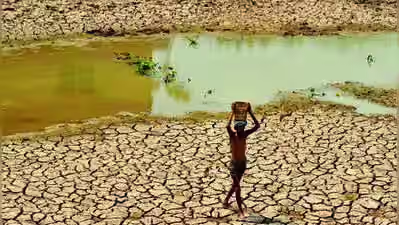
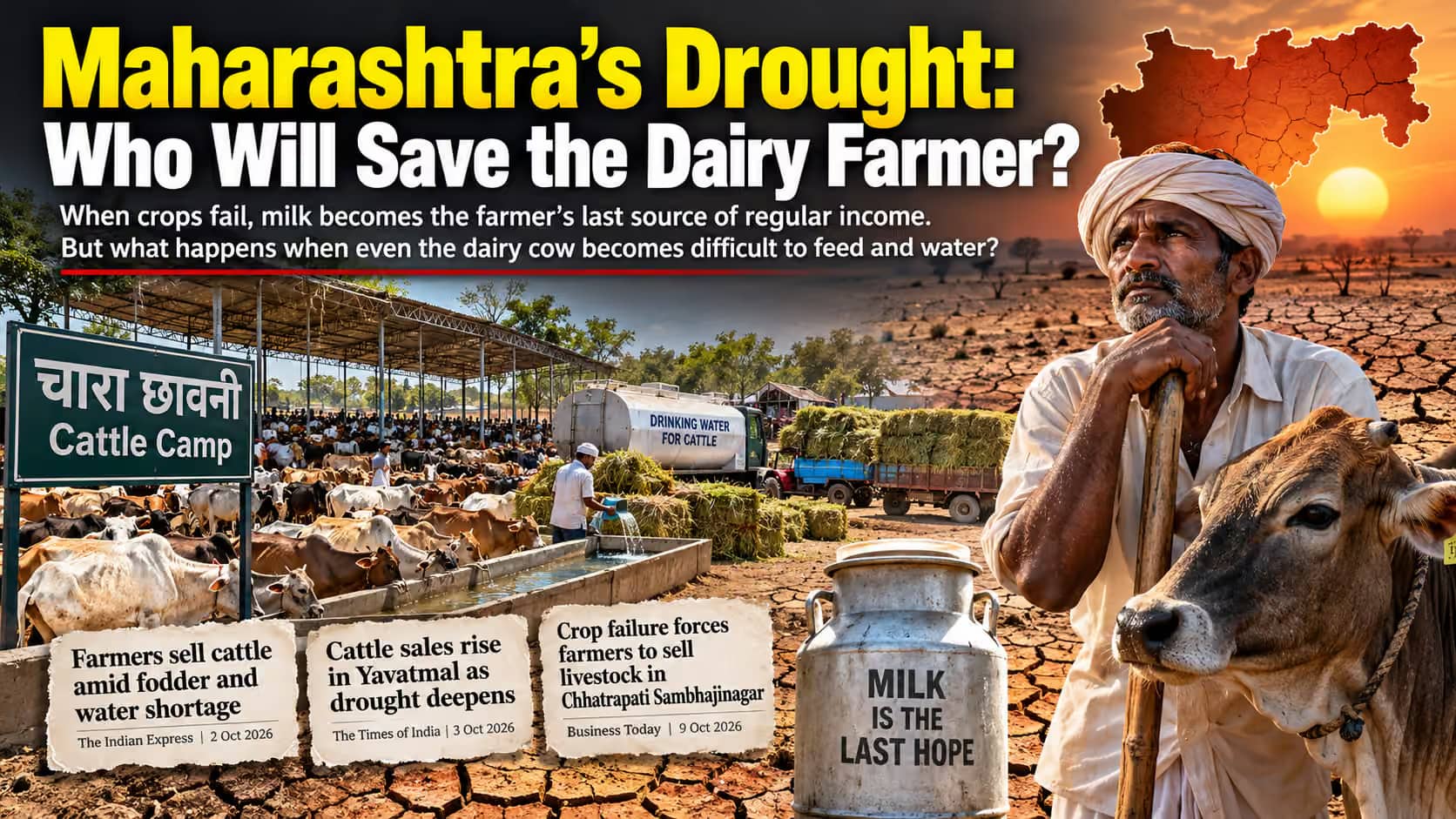
Maharashtra has launched a new initiative to protect dairy farmers from drought-related fodder shortages, offering financial assistance for silage purchases and promoting scientific fodder conservation. The move comes as drought conditions threaten livestock nutrition, milk production and rural household incomes across Marathwada and Vidarbha.
The state's Animal Husbandry Department has introduced Mission Murghas, alongside the Magel Tyala Murghas subsidy scheme. Eligible milk producers and livestock owners in 19 districts can receive financial assistance for purchased silage, while the government has sanctioned an additional ₹76.41 crore for fodder cultivation and silage production.
The initiative highlights a critical challenge for India's dairy sector: maintaining consistent milk production when drought reduces the availability of nutritious animal feed.
Maharashtra's Silage Subsidy: What Farmers Need to Know
Under the Magel Tyala Murghas scheme, eligible beneficiaries can receive a subsidy of ₹3 per kg of purchased silage, calculated against a provision of up to 5 kg per animal per day for 90 days.
Farmers must submit proof of purchase to claim the subsidy. Payments will be transferred directly to beneficiaries' bank accounts through the Direct Benefit Transfer (DBT) system.
The scheme covers 19 districts across Marathwada and Vidarbha and forms part of the second phase of the Vidarbha-Marathwada Dairy Development Project.
The support is intended to help farmers access preserved fodder during periods when fresh green fodder becomes scarce. The amount ultimately received by each beneficiary will depend on the scheme's eligibility requirements and applicable limits.
Additional ₹76.41 Crore Approved for Fodder Development
Alongside the subsidy scheme, Maharashtra has sanctioned an additional ₹76.41 crore for fodder cultivation and silage production.
This funding is over and above the ₹51.20 crore already allocated for fodder seed distribution during the 2026–27 kharif season and the Vidarbha-Marathwada Dairy Development Project.
According to reporting by The Indian Express, the additional allocation includes ₹66.41 crore under the District Annual Plan and ₹10 crore under the dairy development project. The earlier ₹51.20 crore allocation included ₹48.20 crore for fodder seeds under the District Annual Plan and ₹3 crore for the dairy development project.
The wider Mission Murghas campaign encourages farmers to cultivate fodder where irrigation is available and preserve it for future use. The programme promotes crops such as maize, sorghum and Napier grass.
The government also plans to provide practical guidance on harvesting fodder at the appropriate stage, chopping it, compacting it and storing it under airtight conditions.
Why Silage Matters During Drought
Silage is green fodder preserved through fermentation under airtight conditions. Properly prepared silage can be stored and used when fresh fodder is unavailable, helping livestock owners manage seasonal feed shortages.
During drought, farmers can face a double financial burden: nutritious fodder becomes harder to obtain, while the cost of maintaining animals may rise. Inadequate nutrition can also affect animal health and reduce milk yields.
For small dairy farmers, even a temporary decline in milk production can affect daily cash flow, household expenses and the ability to repay loans.
Silage can help reduce dependence on fresh fodder during dry periods, but its effectiveness depends on proper preparation, storage, feed quality and balanced animal nutrition. Financial assistance alone cannot guarantee better outcomes if suitable silage is unavailable locally or farmers lack access to the necessary equipment and training.
Drought Puts Maharashtra's Dairy Economy Under Pressure
The scale of the challenge is significant. Maharashtra declared drought in 305 of its 358 talukas, raising concerns about livestock feed availability and the cost of maintaining dairy animals.
The state produced 166.26 lakh metric tonnes of milk in 2024–25, according to the Maharashtra Economic Survey 2025–26, as cited in The Times of India's report.
Dairy farming provides supplementary income and employment for rural households, particularly small and marginal farmers. In drought-prone areas, regular milk sales can help families maintain a source of income when crop cultivation is under pressure.
However, the availability and affordability of quality fodder remain important constraints on the sector's ability to maintain and expand milk production.
Dairy Development in Marathwada and Vidarbha
The silage initiative is part of the broader Vidarbha-Marathwada Dairy Development Project, implemented with the National Dairy Development Board (NDDB).
According to the Times of India, by February 2025, the project's milk procurement network had expanded to 3,411 villages and covered approximately 35,000 milk producers. Average milk procurement was around 4.5 lakh kg per day.
Reliable fodder availability is important to sustaining this infrastructure. If farmers cannot maintain animal nutrition and milk yields during drought, procurement volumes may come under pressure, potentially affecting both dairy businesses and rural household earnings.
Three Priorities for Successful Implementation
1. Ensure access to affordable, good-quality silage.
Subsidies can reduce costs, but farmers also need dependable local supplies. Availability, transportation and quality will influence whether the programme delivers practical benefits.
2. Strengthen farmer training and access to equipment.
Correct harvesting, chopping, compaction and airtight storage are essential to producing good-quality silage. Access to machinery and technical guidance can help reduce spoilage and improve utilisation.
3. Deliver support efficiently at the village level.
Timely verification, transparent eligibility rules and prompt DBT payments will be important, particularly for small livestock owners facing immediate feed expenses.
The initiative's long-term effectiveness will depend on how well financial support is combined with local fodder production, practical training and monitoring of implementation.
What This Means for India's Dairy Industry
Maharashtra's initiative highlights the importance of treating fodder security as a core part of dairy development rather than a temporary response to drought.
For dairy cooperatives, milk procurement organisations and processors, reliable animal nutrition supports consistent milk collection. For farmers, access to affordable feed can help protect productivity and reduce pressure on household income.
The broader lesson applies beyond Maharashtra: improving dairy productivity requires investment not only in breeding, veterinary care and milk collection, but also in feed availability, fodder conservation and farm-level resilience.
The takeaway: Maharashtra's silage initiative is a targeted response to drought-related fodder shortages. Its success will depend on whether farmers can access good-quality silage, receive timely support and maintain animal nutrition through periods of scarcity.
Sources: Read full story here 25 Oct, 2026 Edited and Reported by
#DairyIndustry #DairyFarming #Maharashtra #MissionMurghas #Silage #FodderManagement #DairyFarmers #AnimalNutrition #IndianDairy
Never miss an important dairy update
Follow DairyNews7x7 on Google to get live milk prices, policy alerts, and daily headlines directly in your feed.