India’s next phase of fast-moving consumer goods (FMCG) growth will depend on balancing affordability with premiumisation, according to Jayatheertha Chary, Managing Director of Mother Dairy Fruit & Vegetable Pvt. Ltd.
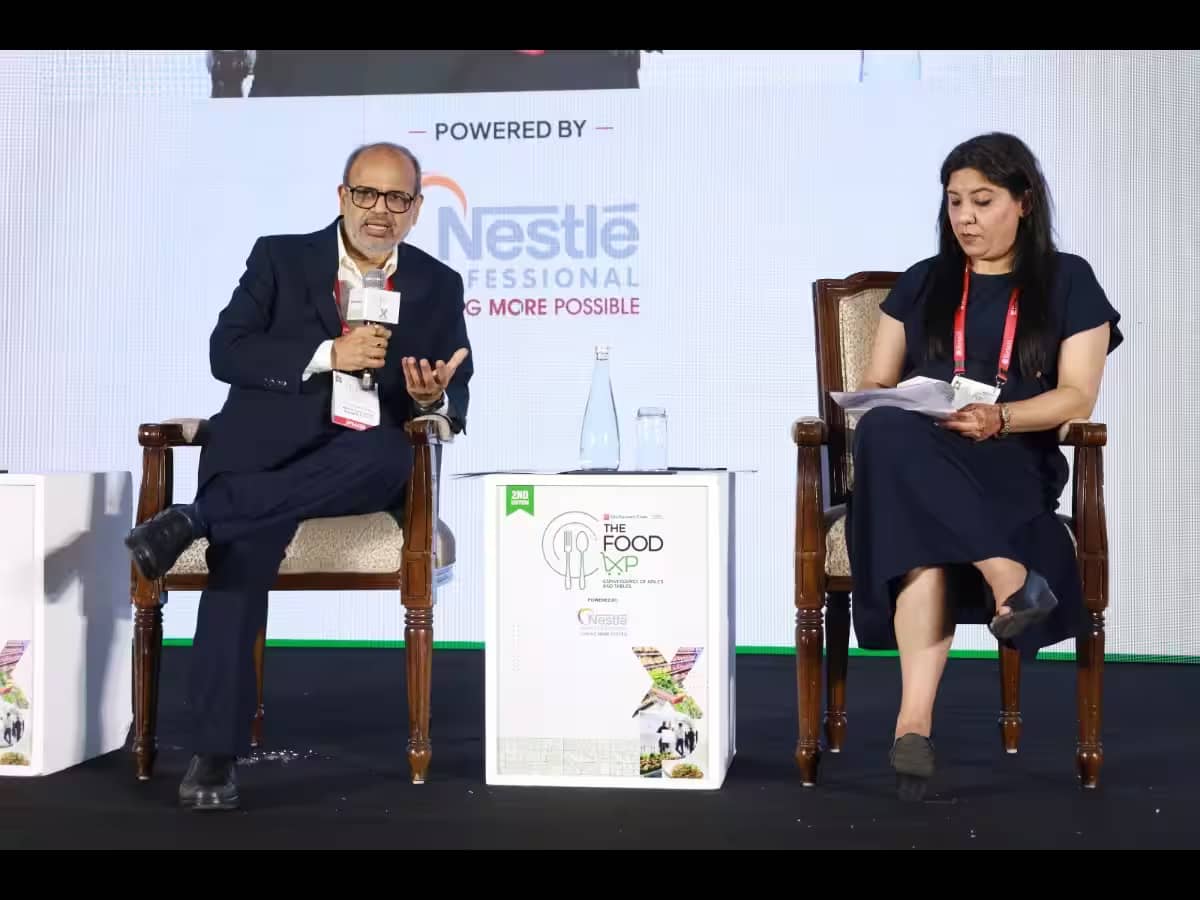
Speaking at the second edition of ET FoodXP 2026, Chary highlighted changing consumer preferences, demand for nutrition-focused products and innovation in established food categories as important growth opportunities. His observations carry particular relevance for the dairy industry, where companies must serve price-conscious households while meeting growing interest in differentiated products.
Consumers Want Affordability and Premium Choices
India’s consumer market is becoming increasingly diverse, with purchasing decisions shaped by income, age, lifestyle, location and individual nutritional needs.
According to Chary, consumers are not uniformly shifting towards either cheaper products or premium alternatives. Households may prioritise affordable milk for daily consumption while paying more for products that offer specific benefits, such as higher protein content, improved taste or greater convenience.
The trend also extends to Tier-II and Tier-III markets, where changing aspirations are creating opportunities for food and dairy companies to expand their consumer base.
For dairy businesses, the challenge is to maintain accessible everyday products while developing specialised offerings for consumers willing to pay for additional value.
Protein-Focused Dairy Products Create New Opportunities
Chary identified nutrition-focused innovation as an important opportunity for the sector. Higher-protein milk, for example, allows consumers to seek additional protein through familiar daily consumption habits.
However, he emphasised that specialised nutritional products should complement—not replace—the industry's focus on affordable nutrition.
The opportunity lies in developing products that address specific consumer needs without making them inaccessible to a large section of the population.
Chary also discussed A2 milk, which occupies a premium position in certain market segments. Scaling such offerings remains challenging partly because of the availability of suitable milk supplies in sufficient quantities.
Premium Curd Shows the Potential of Product Innovation
Mother Dairy’s curd category illustrates how differentiation can help expand an established dairy market.
Chary noted that more households are choosing packaged curd instead of preparing it at home, creating opportunities for organised dairy companies to offer products with consistent quality, convenience and differentiated features.
Mother Dairy has expanded its portfolio with premium options, including probiotic curd. According to Chary, the curd category’s growth increased from approximately 16–18% to around 25% following the introduction of additional variants.
The example demonstrates how product innovation can encourage consumers to explore new offerings within familiar categories.
However, Chary stressed that taste remains essential. Nutritional benefits and premium positioning alone cannot sustain demand if consumers do not enjoy the product.
Consumers Pay More When They See Real Value
Premiumisation does not automatically mean that consumers will accept higher prices. Their willingness to pay depends on whether a product delivers a benefit they recognise and value.
Chary observed that some consumers may be willing to spend an additional ₹5 when they perceive a meaningful improvement in taste, nutrition, quality or convenience.
For dairy manufacturers, the implication is clear: premium pricing must be supported by credible differentiation and a consistently good product experience.
Companies that combine relevant nutritional benefits with appealing taste and reasonable pricing may be better positioned to generate repeat purchases.
What This Means for India’s Dairy Industry
Mother Dairy’s outlook points towards a two-pronged growth strategy for the sector: protect the affordability of everyday dairy products while investing in value-added categories that address evolving consumer needs.
Higher-protein milk, differentiated curd and other nutrition-oriented products could create additional growth opportunities. At the same time, manufacturers must manage milk procurement costs, product pricing and supply constraints to make these offerings commercially sustainable.
The broader lesson for dairy businesses is that growth will not come from premiumisation alone. It will depend on understanding diverse consumer needs, creating products that deliver tangible value and maintaining access to affordable nutrition.
Source: Read full story here 31 Oct, 2026 Edited and Reported by
#DairyIndustry #MotherDairy #DairyNews7x7 #ValueAddedDairy #DairyInnovation #ProteinMilk #Premiumisation #FMCGIndia #DairyBusiness #ConsumerTrends
Never miss an important dairy update
Follow DairyNews7x7 on Google to get live milk prices, policy alerts, and daily headlines directly in your feed.