Karnataka’s cooperative milk producers’ unions have sought an increase of ₹8–10 per litre in Nandini milk procurement and retail prices, citing rising cattle feed, fodder, veterinary and other dairy production costs.
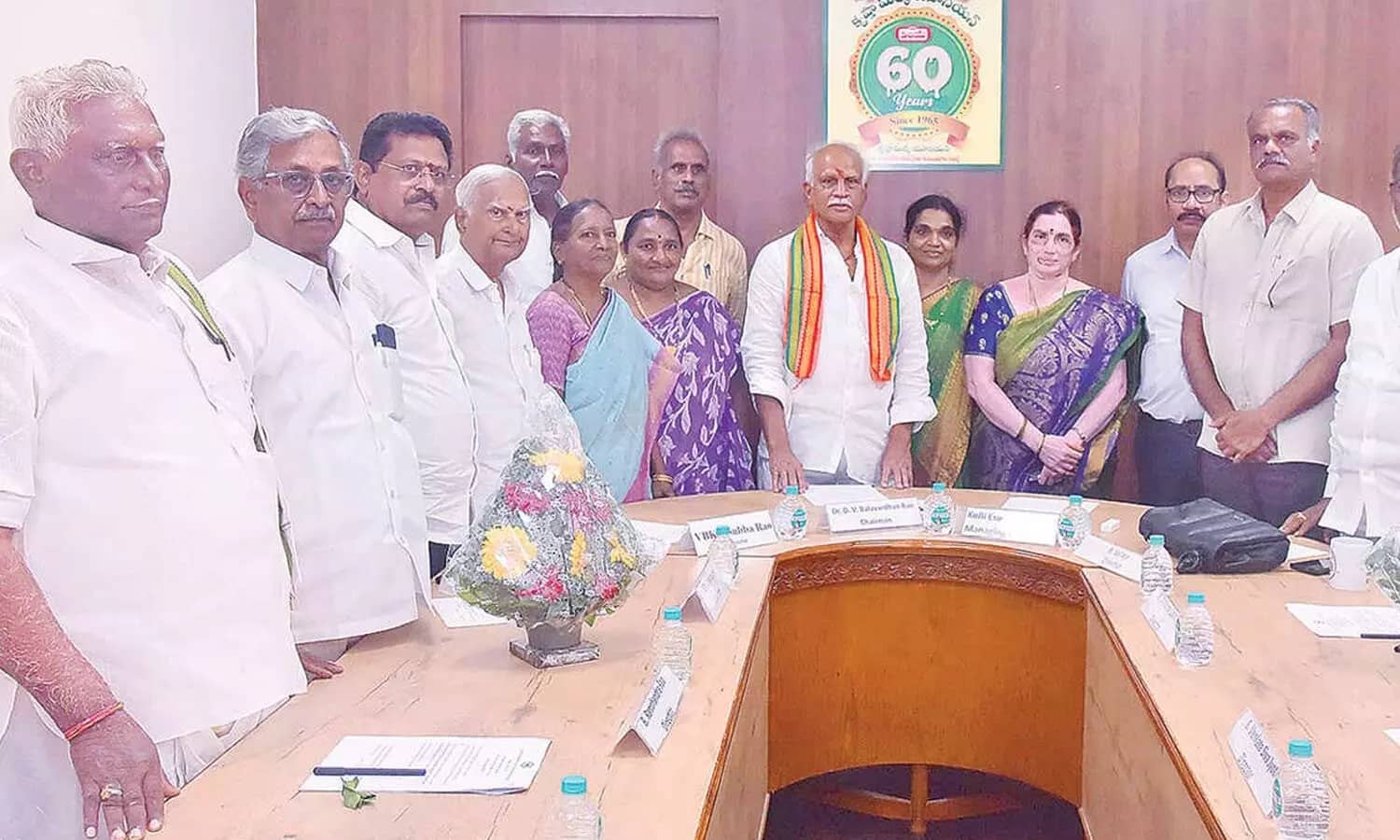
A delegation representing the milk unions met Karnataka Chief Minister D.K. Shivakumar at Vidhana Soudha on September 22 and submitted the demand. Following the meeting, the Chief Minister directed officials to compile detailed data on the rise in cattle feed prices over the past decade, the cost of producing a litre of milk, district-wise milk production and sales, and the quantity procured by milk unions. He also sought comparative data on milk procurement and retail prices in neighbouring states.
Bangalore Urban, Rural & Ramanagara District Co-operative Milk Producers Societies Union Chairman D.K. Suresh, who represented the delegation, said dairy farmers are facing higher expenses for cattle feed, fodder, medicines and farm maintenance. He also cited the current drought situation, which has reduced fodder availability and affected farm incomes through crop losses.
According to figures presented by Suresh, Karnataka’s milk unions currently procure toned milk from producers at ₹35 per litre. He compared this with procurement prices of ₹41.50 per litre in Andhra Pradesh, ₹41.80 in Kerala, ₹41 in Maharashtra and ₹42.24 in Tamil Nadu. He also claimed that Karnataka’s maximum retail price for milk is around ₹12 per litre lower than prices in neighbouring states.
The unions also pointed to increasing competition from private dairies for milk procurement. Suresh said Karnataka’s unions have not increased milk prices for around one-and-a-half years, while cooperative and private dairies in several states have revised milk and milk-product prices.
The latest demand follows an earlier ₹4-per-litre increase implemented in Karnataka from April 1, 2025. Following that revision, reported prices included ₹46 per litre for toned milk, ₹47 for homogenised toned milk, ₹50 for cow milk and special milk, and ₹54 for curd.
Meanwhile, milk procurement has also come under pressure. A separate report said KMF’s daily procurement had declined from about 1.11 crore litres three months earlier to around 1.03 crore litres, with reduced fodder availability affecting both procurement volumes and milk quality indicators.
The ₹8–10-per-litre proposal has not been approved. The government’s request for detailed cost and market data indicates that the next step will involve examining production economics, procurement levels, consumer prices and comparisons with other states before any decision on Nandini prices.
Source: Dairynews7x7 23 Sep, 2026 Read full story here
#DairyIndustry #DairyFarmers #NandiniMilk #KMF #MilkProcurement #KarnatakaDairy #DairyNews7x7