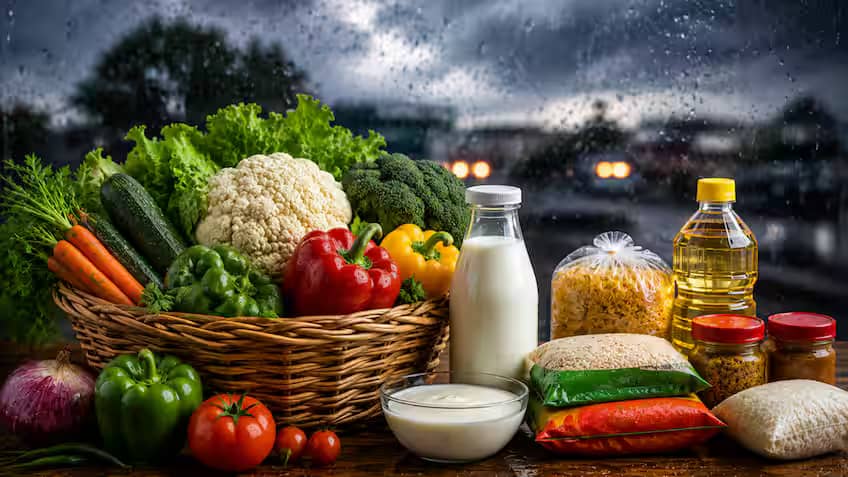
Heavy monsoon rainfall can create ripple effects across India’s food economy, influencing vegetable prices, milk supply and FMCG costs through its impact on crop output, fodder availability, transportation and supply chains. According to Zee Business, excessive rain can damage crops and disrupt harvesting and transportation, potentially reducing the availability of vegetables and pushing prices higher, while waterlogging and transport disruptions can increase logistics costs across the food and FMCG sectors.
For the dairy industry, prolonged or intense rainfall can affect fodder availability and quality, livestock health and milk production, while disruptions in road connectivity can make milk collection and distribution more difficult and expensive. Higher logistics and input costs can ultimately put pressure on dairy companies and FMCG manufacturers, creating a difficult balance between absorbing higher costs and passing them on to consumers.
The impact can extend beyond fresh milk to milk-based products and other packaged food categories as companies face higher procurement, transportation, storage and distribution expenses. The monsoon therefore remains a critical variable for India’s food supply chain, with the final impact depending on the intensity and duration of rainfall, crop and fodder conditions, transport infrastructure and the ability of businesses to maintain uninterrupted supply chains. (Zee Business)
Source: Dairynews7x7 19 Aug, 2026 Read full story here
#MonsoonImpact #DairyIndustry #MilkSupply #FMCG #FoodSupplyChain #DairyBusiness #DairyNews7x7