US Milk Production Hits 30-Year High as Protein Demand and Dairy Exports Absorb Growing Supply
The United States dairy industry is experiencing a major production expansion, with milk output reaching levels not seen in approximately three decades. Yet, rising domestic demand for protein-rich dairy products and stronger international markets are creating new opportunities to absorb the additional milk supply.
The development highlights a changing dairy market in which production growth is increasingly supported by cheese manufacturing, high-protein consumer products and export opportunities rather than traditional fluid milk consumption alone.
US Dairy Production Reaches Multi-Decade Highs
Expanding dairy cow inventories and investments in processing capacity have supported sustained milk production growth across the United States.
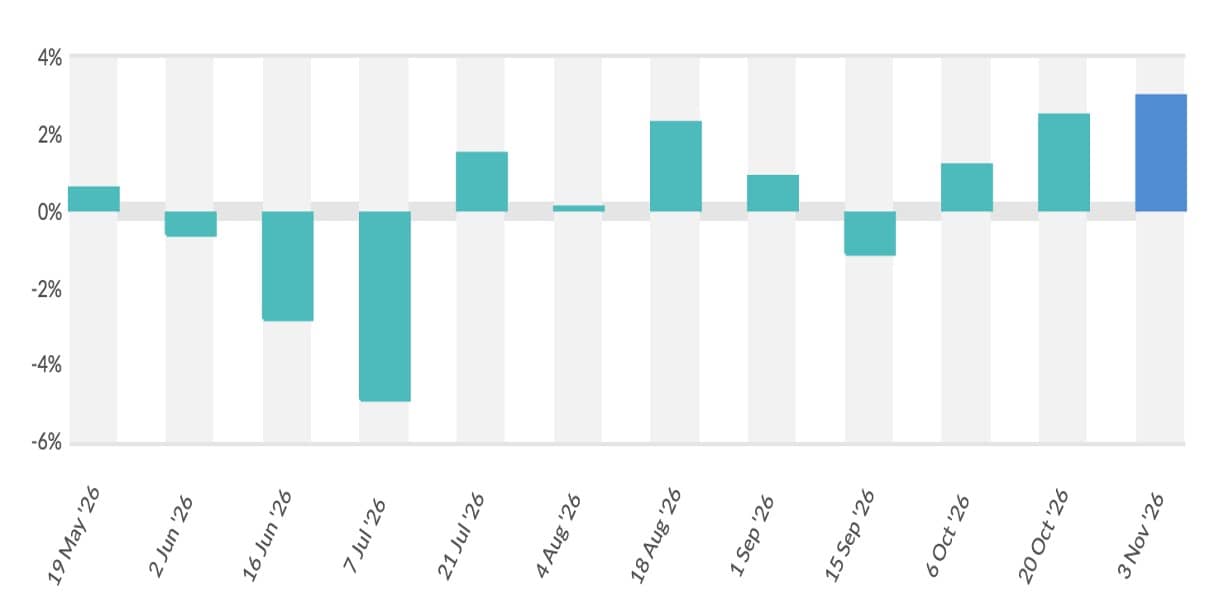
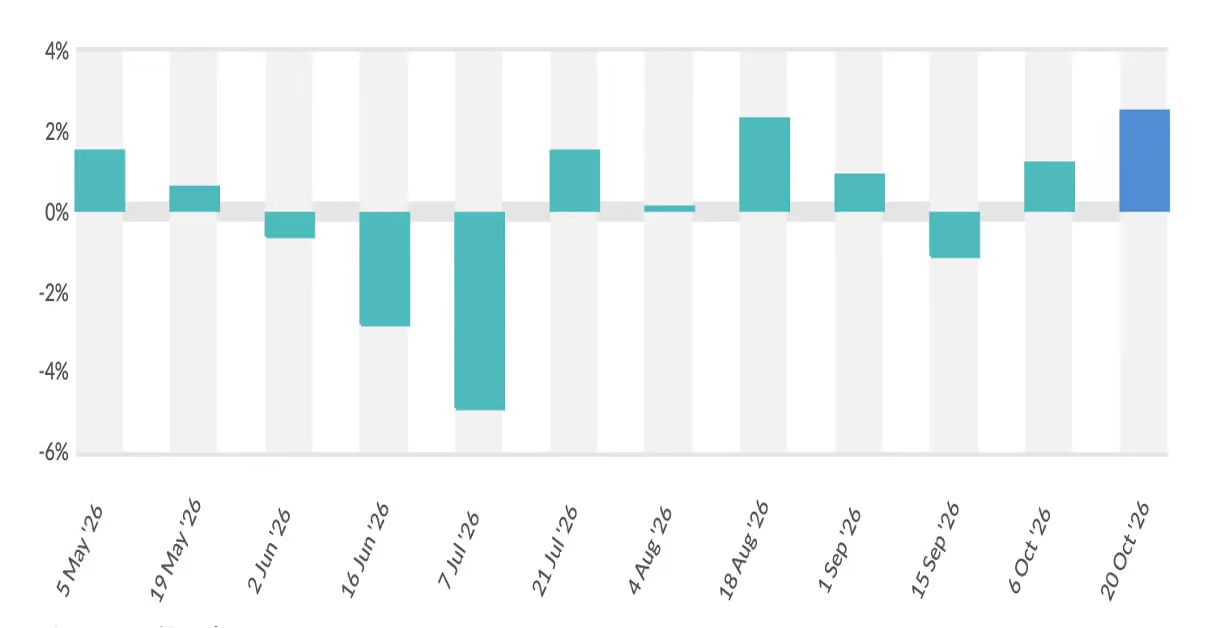
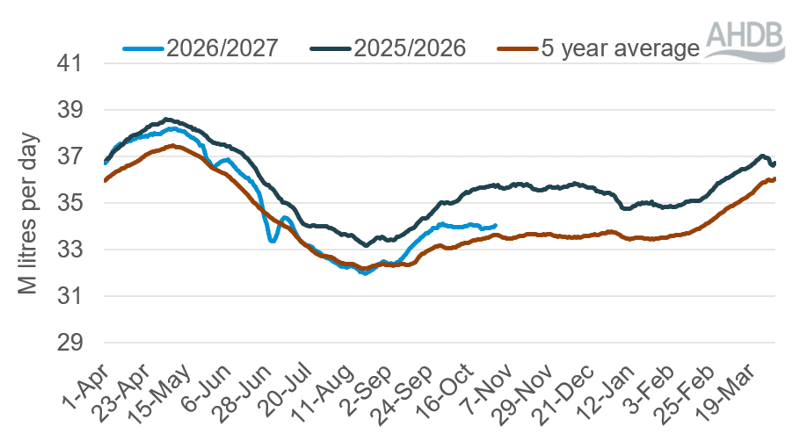
September 2026 milk production reached approximately 19.44 billion pounds, representing a 2.4% increase compared with September 2025, according to USDA data cited in industry reporting.
The expansion reflects growing dairy herds, particularly in states such as Kansas, Texas and South Dakota, where producers have increased their milk-producing capacity.
The national dairy cow inventory has approached 30-year highs, reinforcing the industry's ability to deliver larger volumes of milk to processing facilities.
However, increasing production also creates a critical commercial challenge: additional milk must find profitable outlets in an increasingly competitive marketplace.
High-Protein Dairy Products Create New Demand
Changing consumer preferences are providing an important source of support for the expanding dairy industry.
High-protein diets, fitness-oriented consumption and growing interest in protein-rich foods have helped strengthen demand for several dairy categories.
Products benefiting from these trends include:
- Greek yogurt and high-protein yogurt products
- Cottage cheese
- Ultra-filtered milk
- Whey protein ingredients and other dairy-based nutrition products
The growing popularity of these categories is encouraging processors and dairy marketers to position milk as a versatile source of protein and nutrition.
This development is particularly important as traditional fluid milk consumption faces long-term structural challenges in the United States.
Cheese Exports Become an Important Supply Outlet
International markets are playing an increasingly important role in absorbing additional US dairy production.
Cheese exports have emerged as a significant growth opportunity, allowing processors to convert expanding milk volumes into products with access to global buyers.
Export demand across Latin America, Asia and the Middle East has supported the industry's commercial outlook, while competitive US dairy pricing has helped strengthen international market positioning.
According to recent industry reporting, US dairy exports increased 13.8% year-to-date, providing an important outlet for additional milk solids. <Insert appropriate export-period clarification if citing this figure in publication.>
However, export growth cannot be considered guaranteed. Trade policy uncertainty, tariff risks and changing international relationships could influence the sustainability of overseas demand.
Processing Investments Support Milk Utilisation
Expansion in dairy processing infrastructure is another important factor shaping the US dairy industry's growth.
New and expanded cheese manufacturing facilities, dairy ingredient plants and protein-processing operations are creating additional capacity to convert milk into commercially valuable products.
These investments can strengthen milk utilisation by providing processors with more opportunities to manufacture cheese, whey ingredients and other dairy products.
For producers, processing expansion can create additional demand for milk. Nevertheless, the long-term commercial benefits depend on whether finished dairy products can be sold profitably in domestic and international markets.
What Growing Milk Production Means for Dairy Farmers
The current US dairy market presents a combination of opportunity and risk.
Higher milk production provides processors with more raw material and supports the expansion of dairy product manufacturing. At the same time, sustained supply growth can create downward pressure on commodity prices if demand fails to keep pace.
International trade is therefore becoming increasingly important to the industry's overall milk balance.
Industry analysts have also cautioned that expanding production and exports cannot necessarily continue indefinitely at their current pace. Trade uncertainty and rising dairy cow numbers could test the market's ability to absorb additional supply. <Insert direct analyst attribution if publishing the quoted commentary.>
The Next Challenge: Converting Production Growth into Profitability
The US dairy industry's production expansion demonstrates how consumer demand, processing capacity and international trade can reshape dairy market dynamics.
High-protein dairy products and cheese exports are providing important outlets for additional milk volumes. However, maintaining market balance will require continued demand growth, competitive manufacturing economics and reliable access to international buyers.
For dairy producers and processors, the central question is no longer simply how much milk the industry can produce.
It is how efficiently that milk can be converted into products that consumers want, markets can absorb and farmers can produce profitably.
The future of US dairy growth will increasingly depend on the industry's ability to balance expanding milk production with sustainable demand and profitable market access.
Source: Read full story here 12 Nov, 2026 Edited and Reported by
#USDA #DairyIndustry #DairyExports
Never miss an important dairy update
Follow DairyNews7x7 on Google to get live milk prices, policy alerts, and daily headlines directly in your feed.