Climate Change Could Nearly Triple Europe's Dairy Milk Losses by 2050
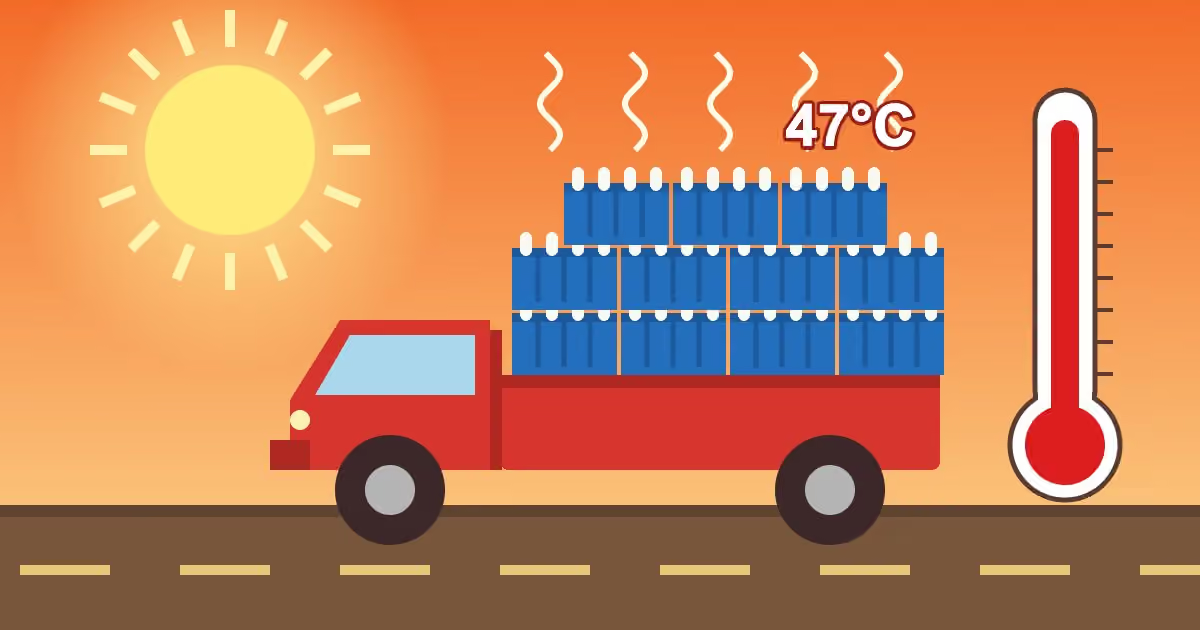
Europe's dairy industry could lose nearly three times more milk to heat stress by 2050, threatening farm profitability, processing efficiency and international competitiveness.
A new Rabobank report, Europe's Dairy Comfort Zone Is Moving, estimates that annual heat-related milk losses across assessed European regions could increase from approximately 4.5 million tonnes under today's climate to 12.2 million tonnes by 2050 under a high-warming scenario.
Heat Stress Could Put 7.5% of EU Milk Production at Risk
The European Union produced approximately 159 million tonnes of raw milk in 2025.
Rabobank estimates that current heat-related losses represent around 2.8% of EU milk production. Under the high-warming scenario, potential losses could reach approximately 7.5% of output by 2050 if production systems and adaptation practices remain unchanged.
The report emphasises that these figures are scenario-based estimates, not definitive forecasts of future production.
Southern and Central Europe Face Greater Production Risks
Climate exposure is expected to vary significantly across Europe's dairy-producing regions.
Northern Italy, southern Germany, France and Spain could experience particularly pronounced increases in potential heat-related milk losses.
Meanwhile, Atlantic and northern European regions are expected to retain relative climatic advantages, although historically favourable production areas will also face growing pressures on animal welfare, milk yields and supply reliability.
Climate Change Could Reshape Dairy Competitiveness
The challenge extends beyond lower milk yields per cow.
Increasingly unpredictable milk availability could leave dairy processing plants underutilised, increasing operational costs and weakening regional competitiveness.
This is particularly concerning for European dairy businesses already facing comparatively high production costs in international markets.
Rabobank warns that climate change could therefore influence not only farm productivity but also milk procurement, processing economics and sourcing strategies.
Heat-Resilient Farming Becomes a Strategic Investment
Rabobank identifies several adaptation measures that could help limit climate-related production losses:
- Cooling infrastructure: Artificial shade, ventilation and sprinkler systems to reduce heat stress.
- Improved feeding strategies: Nutrition management adapted to higher temperatures and changing fodder availability.
- Herd management: Adjustments to breeding, reproduction and management practices.
- Heat-tolerant genetics: Greater consideration of breeds and genetic traits suited to warmer conditions.
The research also highlights examples from Israel and Saudi Arabia, where farmers have adapted dairy production systems to hotter environments.
Dairy Processors May Need to Invest Beyond the Factory
Rabobank argues that dairy processors have a direct commercial interest in supporting climate resilience among milk suppliers.
Technical assistance, knowledge sharing, farm-level investment incentives and greater flexibility in sourcing could help processors maintain more reliable milk supplies.
Existing animal-welfare and sustainability programmes could provide practical channels for introducing heat-management improvements across dairy supply chains.
Traditional Dairy Regions Face Unique Challenges
Climate adaptation also raises questions about geographically distinctive dairy products.
For example, Parmigiano Reggiano can only be produced within its designated geographical area in northern Italy. If heat stress increasingly affects milk production in that region, production cannot simply be relocated to cooler parts of Europe.
This highlights how climate change could threaten not only production volumes but also the long-term resilience of traditional dairy supply chains and protected-origin products.
What This Means for the Global Dairy Industry
The European climate challenge highlights four wider industry implications:
- Milk supply security: Heat stress could make raw milk availability increasingly unpredictable.
- Processing efficiency: Lower milk volumes could reduce factory utilisation and increase unit costs.
- Farm investment: Climate adaptation is becoming essential to protecting animal productivity and farmer profitability.
- Competitive positioning: Regions with better heat-management systems could gain advantages in dairy production economics.
The bigger takeaway: Europe's dairy industry may not lose its established production centres, but climate change could fundamentally alter their cost structures and competitive advantages. The ability to protect milk yields, animal welfare and supply reliability will increasingly determine dairy competitiveness through 2050.
Source: Read full story here 10 Nov, 2026 Edited and Reported by
#EuropeanDairy #DairyIndustry #ClimateChange #DairySustainability #MilkProduction
Never miss an important dairy update
Follow DairyNews7x7 on Google to get live milk prices, policy alerts, and daily headlines directly in your feed.