Rising consumer demand for protein-rich foods is reshaping the United States dairy industry, turning whey—a byproduct of cheese manufacturing—into a high-value ingredient used across an expanding range of food and beverage products.
Once associated mainly with protein powders and sports nutrition bars, whey protein is increasingly appearing in breakfast cereals, bagels, pretzels and instant noodles. Major food and beverage brands are also responding to the trend with products marketed for their higher protein content.
Social Media and Weight-Loss Drugs Fuel Demand
The popularity of high-protein diets on social media has helped bring protein products into mainstream consumption. The trend is also linked to the growing use of GLP-1 weight-loss medications, whose users may be advised to consume sufficient protein to help preserve muscle mass.
The US government’s updated dietary guidance, cited in the report, also reflects a greater emphasis on protein intake. Together, these developments are creating new opportunities for dairy processors, ingredient manufacturers and food brands.
Whey Becomes a High-Value Dairy Ingredient
The industry is responding to the demand with substantial investment. According to International Dairy Foods Association chief executive Michael Dykes, dairy companies have invested US$13 billion in new capacity, technology and supply-chain optimisation.
Whey is obtained during cheese production and requires specialised processing and filtration to produce high-protein concentrates and isolates. As demand rises, manufacturers face capacity constraints involving milk supply, cheese production and the equipment needed to process whey into specialised ingredients.
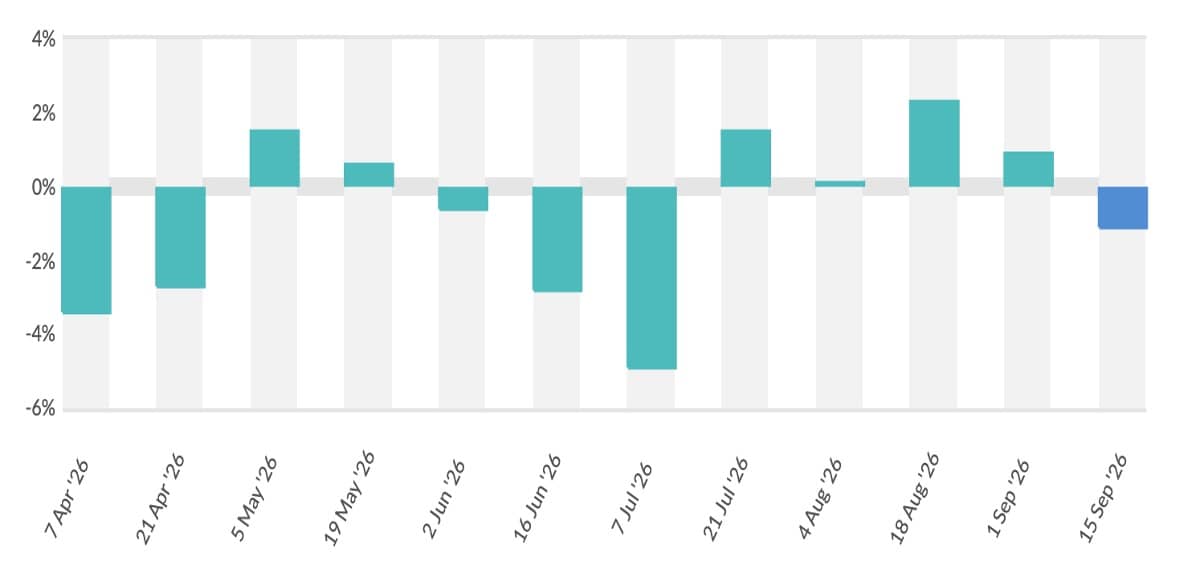
Industry expert Joshua White of dairy product marketer T.C. Jacoby & Co. said prices had increased sharply. The report cited rises of around 40% in whey prices in recent months, with high-concentration whey protein prices increasing by as much as 150%.
A New Revenue Opportunity for Cheesemakers
Higher whey prices are improving the economics of cheese manufacturing because processors can earn more from the whey generated during production. In some cases, whey revenue can make a substantial contribution to the overall profitability of a cheese operation.
However, experts caution that cheese remains the primary product of the industry, and the market has not yet fully shifted to producing cheese primarily to obtain whey.
Supply Constraints Create Strategic Challenges
For dairy processors, the protein boom presents both an opportunity and a capacity challenge. Expanding whey processing requires investment in specialised equipment, while increased production also depends on milk availability and sufficient cheese-manufacturing capacity.
The trend highlights the growing importance of value-added dairy ingredients in the industry. Processors able to improve whey recovery, invest in advanced filtration and develop high-protein ingredients may be better positioned to serve expanding food, beverage and nutrition markets.
The broader lesson for the global dairy sector is that changing consumer preferences can transform a traditional processing byproduct into a valuable revenue stream—provided that manufacturers can scale production efficiently and sustainably.
Source: Dairynews7x7 13 Oct, 2026 Read full article here
#DairyIndustry #WheyProtein #DairyProcessing #ProteinTrend #DairyBusiness #DairyNews7x7
Never miss an important dairy update
Follow DairyNews7x7 on Google to get live milk prices, policy alerts, and daily headlines directly in your feed.