Combining cattle manure with plant biomass could improve the profitability of biogas production on dairy farms, according to new research led by scientists at Pennsylvania State University (Penn State), United States.
Published in the journal Biomass Conversion and Biorefinery, the study found that co-digesting manure with selected plant materials can increase methane production and reduce the financial support required to make farm-scale anaerobic digestion projects economically viable.
The findings could offer dairy farmers another way to manage manure, generate renewable energy and reduce emissions associated with manure storage and handling.
Winter Rye Emerges as a Promising Feedstock
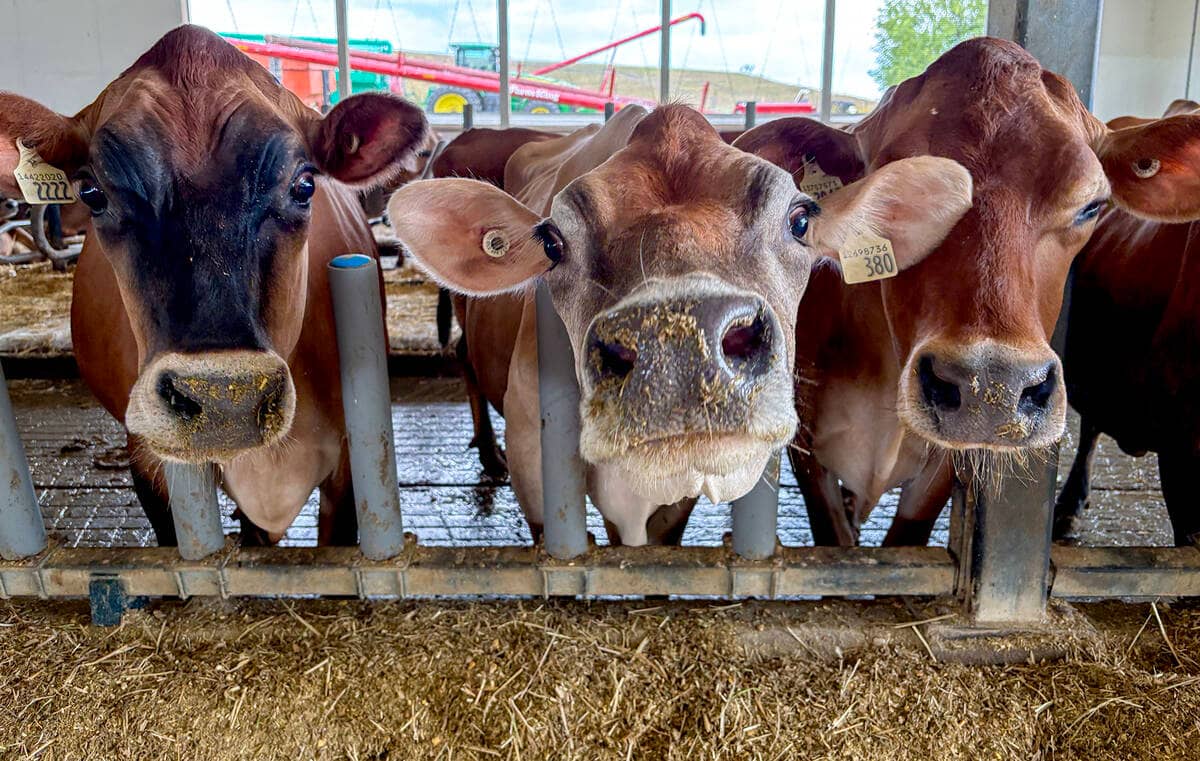
The researchers modelled a dairy farm with 1,000 cows in the northeastern United States, comparing manure-only anaerobic digestion with systems that also used switchgrass, winter rye or corn stover.
Anaerobic digestion uses microorganisms to break down organic matter in an oxygen-free environment, producing biogas that can be used to generate electricity or upgraded into renewable natural gas.
Among the plant materials evaluated, winter rye emerged as the most promising option because of its higher biogas yield. As a cover crop, winter rye can grow between cash crops, potentially reducing the need for additional agricultural land.
The study also considered switchgrass, a perennial crop that can grow on marginal land, and corn stover, the crop residue left after corn harvesting.
Financial Support Requirements Could Fall Sharply
One of the study’s key findings concerned the capital support required for a digester project to break even.
According to the researchers’ economic modelling, the required capital support—typically through grants or loan guarantees—fell from approximately 47% for manure-only digestion to as little as 4% in the best-performing co-digestion scenario.
The results suggest that selecting suitable plant feedstocks could substantially improve project economics. However, the figures are modelled outcomes for the scenarios examined, not guaranteed returns for every dairy farm.
The researchers also found that increasing plant capacity did not improve the economics of every energy pathway. Larger systems improved the economics of renewable natural gas production but could make electricity generation less attractive, highlighting the importance of matching plant scale with the intended energy market.
Implications for Dairy Farm Sustainability
Manure-based biogas projects can help dairy farms manage waste while producing renewable energy. However, high construction and operating costs, uncertain energy revenues and dependence on financial incentives have limited adoption.
The research indicates that feedstock availability, biomass costs, methane yields, farm size, energy prices and policy support must be considered together when assessing a project’s viability.
For the dairy industry, co-digestion could provide an additional route towards more efficient manure management and renewable energy generation. The approach may also complement wider efforts to develop circular systems in which livestock waste becomes a resource rather than a disposal challenge.
The study’s modelling framework can be adapted to different farm sizes, feedstocks and market conditions. Its findings will nevertheless need to be assessed against local agricultural practices, biomass availability and energy economics before being applied to individual farms.
Source: Dairynews7x7 10 Oct, 2026 Read full story here
#DairyIndustry #RenewableEnergy #DairyNews7x7
Never miss an important dairy update
Follow DairyNews7x7 on Google to get live milk prices, policy alerts, and daily headlines directly in your feed.