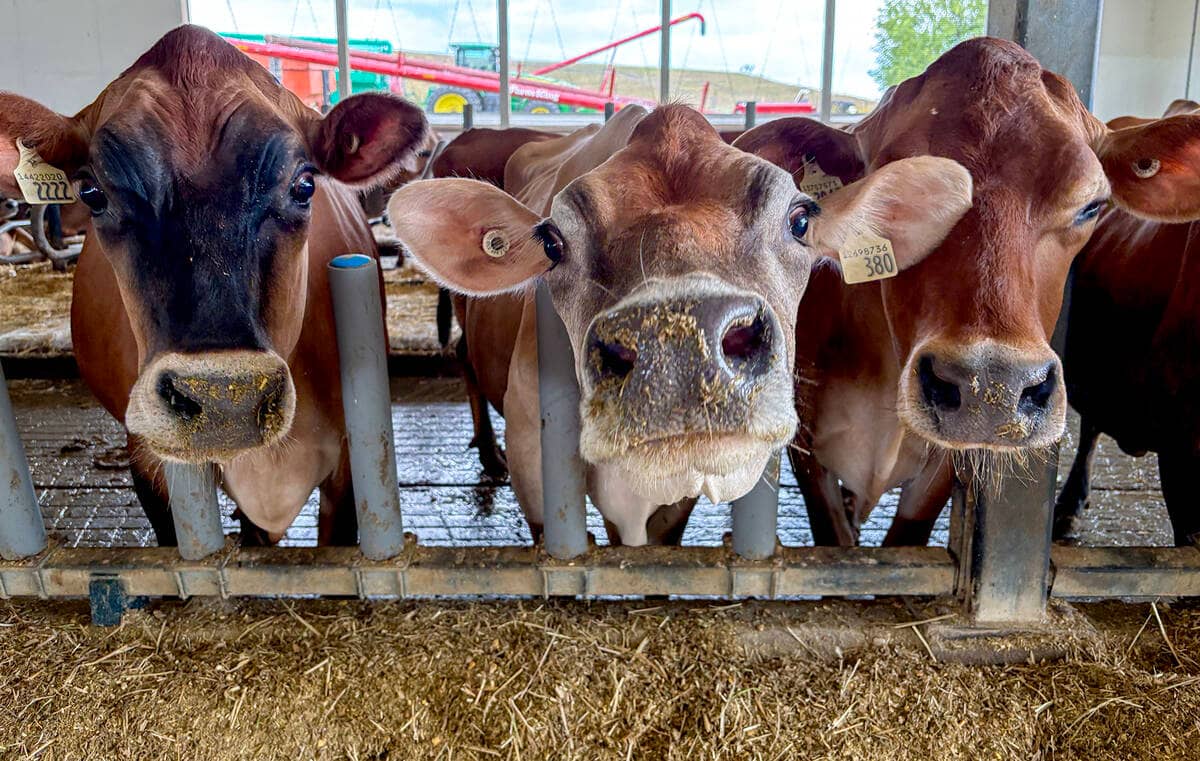
Gujarat’s dairy sector continues to expand, but rising cattle-feed and fodder costs are putting pressure on dairy farmers’ earnings. The challenge highlights a growing gap between the growth of milk production and the profitability of the farmers who sustain the supply chain.
Farmers in regions including Banaskantha and South Gujarat have reported that higher input costs are eroding the financial benefits of increased milk procurement prices. For dairy households, feed affordability is becoming a critical factor in maintaining production and income.
Rising Input Costs Squeeze Farmers’ Margins
Cattle feed, green fodder, labour, veterinary care and livestock maintenance all contribute to the cost of milk production. When these expenses rise faster than the price paid for milk, farmers can face shrinking margins even when procurement prices increase.
The pressure is particularly challenging for small and marginal dairy farmers who have limited land to grow their own fodder and must rely more heavily on purchased feed.
Farmers have also reported constraints in green-fodder availability during the monsoon, adding to dependence on commercial feed and increasing operating expenses.
Milk Prices and Feed Costs Move in Different Directions
An increase in the price paid for milk does not automatically translate into higher farm income. The actual impact depends on feed consumption, animal productivity, labour costs and other expenses involved in maintaining a dairy herd.
The issue is part of a wider industry trend. National reporting in September 2026 indicated that cattle-feed costs were approximately 15–20% higher year on year, reflecting increases in ingredients such as maize, soybean-related inputs and rice bran. These pressures can affect milk-production economics across different regions.
Implications for Gujarat’s Dairy Sector
Gujarat has a strong cooperative dairy network, but sustained growth depends on maintaining the economic viability of milk producers. If input costs continue to rise, farmers may find it harder to expand herds, invest in better animal nutrition or maintain production levels.
Affordable feed and fodder, improved fodder cultivation, balanced-ration practices and greater feed efficiency could help farmers manage costs. Transparent milk pricing that reflects production economics will also remain important to the long-term resilience of the dairy supply chain.
The key challenge for Gujarat is therefore not only to increase milk output, but to ensure that dairy growth translates into sustainable returns for farmers.
Source: Dairynews7x7 10 Oct, 2026 Read full story here
#DairyIndustry #DairyFarmers #DairyNews7x7
Never miss an important dairy update
Follow DairyNews7x7 on Google to get live milk prices, policy alerts, and daily headlines directly in your feed.