India’s transition to digital-only pesticide licensing and compliance has implications beyond agricultural input businesses. For the dairy industry, the development highlights the importance of traceability, responsible chemical use and feed-safety management across the agricultural supply chain.
India’s pesticide industry has entered a new phase of regulatory compliance, with digital licensing and record-keeping requirements coming into effect on September 15, 2026. The changes were introduced through the Insecticides (Amendment) Rules, 2026, notified by the Ministry of Agriculture and Farmers Welfare on June 17, 2026.
Digital Licensing and Record-Keeping
The revised framework requires pesticide manufacturers, importers, sellers and distributors to adopt digital systems for licensing and compliance. The transition replaces decades of paper-based processes under the Insecticides Act, 1968.
The amendments introduce electronic records and stock registers for insecticides, along with online reporting requirements. Monthly returns covering manufacturing, imports, purchases, formulation and sales of technical-grade and formulated insecticides must be submitted electronically to licensing authorities within 15 days of the end of each month.
Implications for Dairy Feed and Fodder Safety
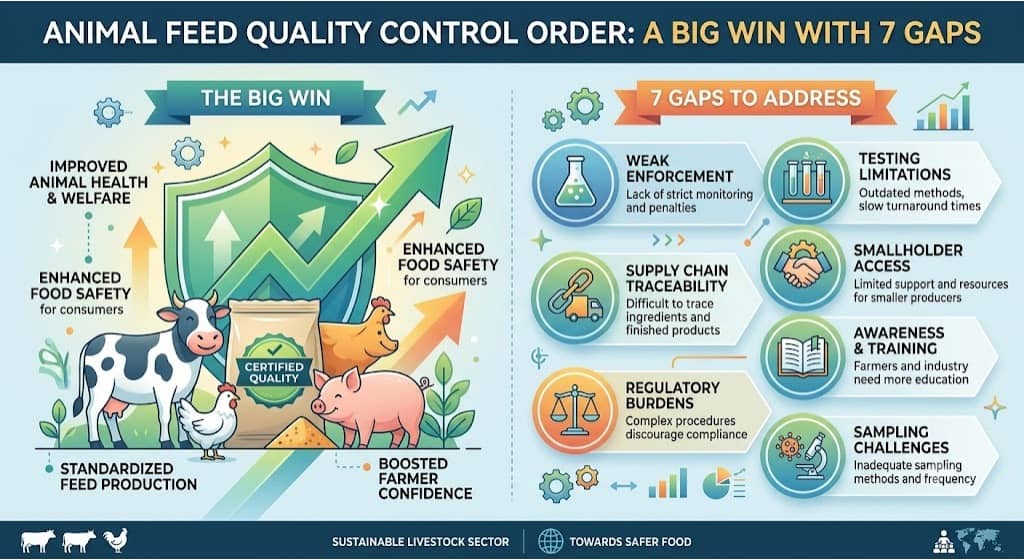
The regulatory shift is relevant to the dairy industry because agricultural crops and crop residues are important sources of livestock feed. Digital documentation across the pesticide supply chain can support better traceability of agricultural inputs and strengthen oversight of chemical use.
For dairy farmers, feed manufacturers and cooperatives, responsible pesticide application and residue monitoring remain important considerations in maintaining feed quality and protecting the safety of the wider dairy value chain.
Compliance Priorities for Businesses
The new digital framework places greater emphasis on accurate records, timely reporting and regulatory readiness. Agricultural input businesses will need to adapt their internal processes to meet the revised requirements.
For the dairy sector, the development reinforces the value of coordinated supply-chain management, from crop cultivation and fodder sourcing to feed production and milk quality assurance.
Source: Dairynews7x7 15 Sep, 2026 Read full article here
#PesticideRegulation #DigitalCompliance #DairyIndustry #FeedSafety #FoodSafety #AgricultureIndia #Traceability
Never miss an important dairy update
Follow DairyNews7x7 on Google to get live milk prices, policy alerts, and daily headlines directly in your feed.