Global Dairy Market to Reach $762 Billion in 2026: 7 Trends Set to Reshape the Industry by 2027
The global dairy market is entering a new phase in which pricing, product innovation, convenience and consumer wellness are becoming increasingly important growth drivers. According to market intelligence firm Euromonitor International, the global retail value of dairy products and alternatives is projected to reach US$762.1 billion in 2026, with value growth strengthening even as volume growth slows.
In its latest analysis published by DairyReporter on October 19, Euromonitor identified several trends that are expected to shape the market as the industry moves towards 2027 and beyond.
The central message for dairy manufacturers is clear: growth will depend not only on selling more products, but also on offering the right combination of affordability, functionality, convenience and consumer appeal.
1. Pricing Takes Centre Stage as Volume Growth Slows
The global dairy products and alternatives industry is projected to grow by 5.7% in retail value in 2026, compared with 5.4% in 2025. However, volume growth is forecast to ease from 0.7% in 2025 to 0.5% in 2026.
This divergence highlights the growing importance of pricing in the industry's overall performance.
For dairy businesses, higher retail value does not necessarily translate into proportionately higher physical sales. Manufacturers must balance price increases with consumer affordability, competitive positioning and the need to retain customers.
The challenge will be to protect margins without weakening demand for everyday dairy staples.
2. Affordable Premium Products Create New Opportunities
Consumer spending is becoming increasingly polarised between premium products and economical everyday options.
According to Euromonitor, the average unit price of dairy products and alternatives is projected to rise by 5.2% in 2026, compared with 4.7% growth between 2024 and 2025.
This is creating an opportunity for brands to develop affordable premium products that offer improved taste, quality or functionality without moving beyond mainstream consumers' budgets.
For dairy manufacturers, the strategy involves serving two needs simultaneously: premium experiences for consumers seeking differentiation and competitively priced essentials for households focused on value.
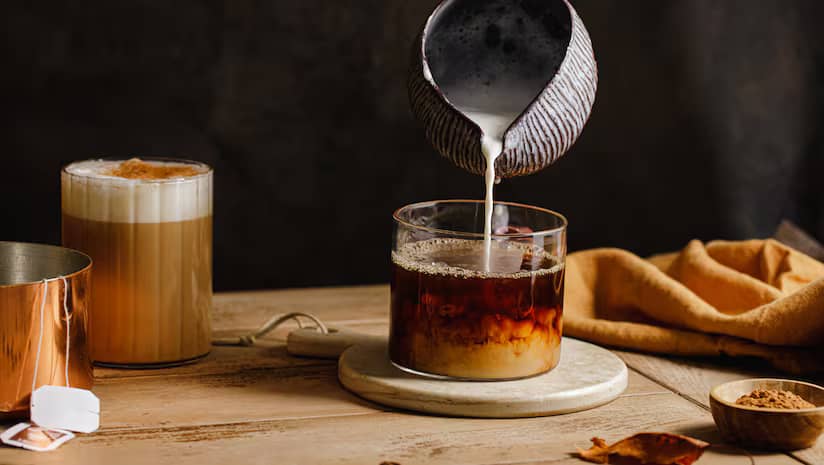
3. At-Home Coffee Drives Creamer Innovation
Coffee culture is creating new opportunities for dairy ingredients and beverage accompaniments.
Euromonitor forecasts coffee whitener to achieve a compound annual growth rate (CAGR) of 4.1% through 2031, reaching US$12.2 billion in retail value sales. Demand in the United States is expected to be a major contributor.
The growth of café-style coffee at home is supporting innovation in creamers, cold-foam products and other premium coffee additions.
For dairy processors, this trend creates opportunities in cream, milk-based beverage ingredients and specialised products designed for home consumption as well as professional food service.
4. Chilled Snacks and Cheese Gain Momentum
Convenience is reshaping how consumers purchase and consume dairy products.
Euromonitor identifies chilled snacks and cheese among the faster-growing categories in 2026, with projected growth rates of 8.2% and 6.6%, respectively.
Portable dairy snacks, chilled desserts and convenient cheese formats are helping brands compete for consumption occasions beyond traditional meals.
The opportunity extends to products that combine convenience with freshness, taste and nutritional appeal.
For manufacturers, successful innovation will require appropriate packaging, shelf-life management, reliable refrigeration and formats that suit consumers' increasingly mobile lifestyles.
5. Wellness Moves Beyond Basic Nutrition
Dairy brands are broadening their wellness positioning beyond conventional claims about protein, calcium and reduced sugar.
Emerging product concepts include higher-protein formulations, fibre-related benefits, digestive wellness and products designed around specific consumption needs.
Euromonitor's analysis also highlights growing interest in areas such as hydration, beauty-from-within, calm and focus. These opportunities are developing at different speeds, and their commercial potential will depend on consumer demand and credible product positioning.
The report forecasts value-sales CAGR of 4.2% for drinking milk products and 4.5% for yoghurt and sour milk products over 2026–2031.
For dairy companies, the priority is to translate relevant nutritional attributes into products that consumers understand, trust and are willing to purchase repeatedly.
6. Plant-Based Dairy Faces Volume Pressure
Plant-based dairy alternatives and milk formula are projected to be the only categories in the analysis to experience volume declines in 2026, at 0.6% and 0.2%, respectively.
However, weaker volume does not necessarily mean that every product or brand within these categories is struggling.
Euromonitor expects plant-based dairy alternatives to record value growth at a CAGR of 1.5% over the next five years, while milk formula is forecast to grow by 0.2% in constant-value terms at fixed exchange rates.
Manufacturers are responding by exploring fortified and functional formulations, new consumption occasions and more convenient product formats.
The wider lesson is that product relevance, differentiation and consumer value remain critical in both dairy and alternative categories.
7. Café Culture Expands Demand for Dairy Ingredients
The influence of cafés and speciality beverages is extending into retail, creating opportunities for dairy ingredients used in coffee, tea and desserts.
Euromonitor reports that condensed and evaporated milk and cream were among the faster-growing categories in 2026.
Condensed and evaporated milk is forecast to achieve a 4.1% CAGR through 2031, while cream is projected to grow at 3.6% over the same period.
These categories benefit from their applications in beverages, desserts, baking and food service.
For dairy processors, the opportunity lies in developing products suited to both professional users and consumers recreating café-style experiences at home.
What These Trends Mean for the Global Dairy Industry
The outlook points towards a market in which value creation is becoming as important as volume expansion.
Dairy businesses should consider five strategic priorities:
- Protect affordability: Maintain accessible options while developing differentiated premium products.
- Invest in innovation: Explore convenient, chilled, functional and beverage-oriented dairy formats.
- Strengthen brand relevance: Connect product benefits to specific consumer needs and consumption occasions.
- Improve operational efficiency: Align manufacturing, cold-chain capabilities and distribution with new product requirements.
- Monitor category performance: Distinguish between value growth and actual volume growth when evaluating market opportunities.
Regional consumer preferences, purchasing power, infrastructure and regulations will influence how these trends translate into individual markets.
DairyNews7x7 Takeaway
The global dairy market is projected to reach US$762.1 billion in retail value in 2026, but slowing volume growth suggests that manufacturers cannot rely on market expansion alone.
Affordable premiumisation, chilled convenience, coffee culture and wellness-led innovation are emerging as important opportunities. At the same time, pricing pressure and uneven category performance will require careful strategic decisions.
The key question for dairy leaders heading into 2027 is not simply how to sell more milk, but how to create products that consumers value enough to buy consistently.
Source: Dairynews7x7 20 Oct, 2026 Read full story here
#DairyNews7x7 #DairyIndustry #GlobalDairyMarket #DairyTrends2027 #DairyInnovation #DairyBusiness #FunctionalDairy #DairyProcessing #ConsumerTrends #DairyMarketResearch #FoodIndustry #ValueAddedDairy
Never miss an important dairy update
Follow DairyNews7x7 on Google to get live milk prices, policy alerts, and daily headlines directly in your feed.