Sabarimala Ghee Supply Crisis: TDB Turns to Milma After Tender Failures
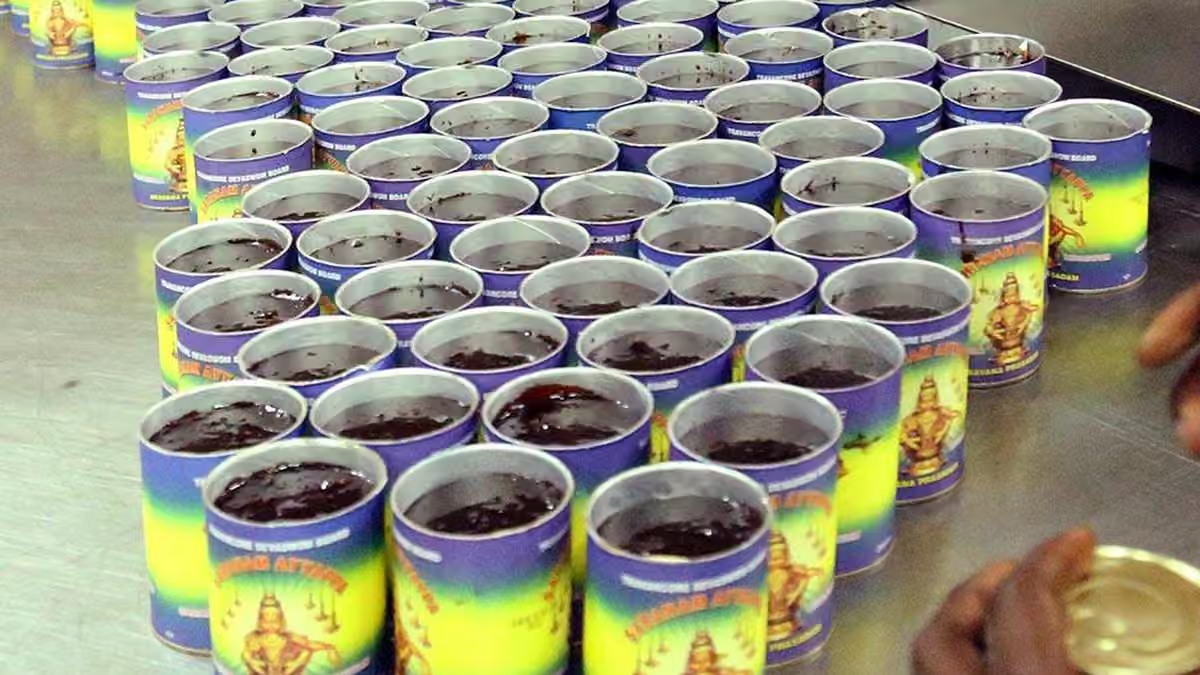
Sabarimala's ghee procurement has entered a critical phase ahead of the 2026–27 pilgrimage season, with the Travancore Devaswom Board (TDB) opening fresh negotiations with Milma after repeated tender attempts failed to secure reliable suppliers. Milma has offered to supply 10,000 litres of ghee at ₹660 per litre, delivered to Pamba in armoured vehicles, while the Board seeks legal advice before finalising the arrangement.
Tender Failures Trigger Fresh Milma Negotiations
The TDB had floated tenders for procuring 50,000 litres of ghee but failed to identify eligible and reliable suppliers despite two rounds of retendering.
Milma did not participate in the latest tender. However, the Board subsequently initiated discussions with representatives of the Milma Thiruvananthapuram Regional Cooperative Milk Producers' Union to explore an alternative procurement arrangement.
TDB president K. Jayakumar indicated that the Board would examine the legal implications before taking a final decision on purchasing ghee from the cooperative.
The renewed negotiations reflect the urgency of ensuring adequate supplies for the production of Aravana and other prasadam during the Mandala-Makaravilakku pilgrimage season. <Cite refs={["turn299494search0","turn299494search2"]}/>
Milma Offers 10,000 Litres at ₹660 Per Litre
Milma has expressed willingness to supply 10,000 litres of ghee at ₹660 per litre, with transportation to Pamba in armoured vehicles.
The proposal follows the Board's assessment that ghee brought by devotees may not be sufficient to meet the requirements for preparing Aravana and Appam.
The proposed procurement is intended to address an anticipated initial shortfall rather than immediately fulfil the entire 50,000-litre tender requirement.
The Board has indicated that a final decision would follow legal consultation and examination of the circumstances surrounding the previous procurement. <Cite refs={["turn299494search9","turn299494search3"]}/>
Previous Ghee Procurement Irregularities Under Vigilance Investigation
The renewed discussions with Milma come against the backdrop of an ongoing investigation into alleged irregularities during the previous pilgrimage season.
Investigators have examined allegations that genuine Milma ghee was diverted during transportation and replaced with inferior ghee before reaching Sabarimala.
According to Kerala government disclosures, the transport contractor and private intermediaries were central to the alleged substitution. Milma's position has been that the cooperative supplied genuine ghee, while the alleged malpractice occurred subsequently in the transportation and distribution chain.
The investigation has also raised questions regarding procurement pricing, transportation records, quality verification and the quantities actually received at Sannidhanam.
Importantly, the investigation is ongoing, and the allegations should not be treated as a final finding of guilt against Milma. <Cite refs={["turn299494search8","turn299494search7","turn299494search10"]}/>
Quality Assurance and Traceability Become Critical
The Sabarimala episode highlights the importance of maintaining quality assurance beyond the manufacturing stage.
For dairy procurement involving large institutions, product integrity depends on multiple controls:
- Batch traceability: Clearly documented production batches and corresponding dispatch records.
- Secure transportation: Controls preventing diversion, substitution or tampering during transit.
- Independent testing: Appropriate quality verification at receiving points.
- Quantity reconciliation: Matching dispatched volumes with actual receipt and procurement payments.
- Accountability: Clearly defined responsibilities across suppliers, transport contractors and purchasing institutions.
These safeguards are particularly important when dairy products are procured for religious offerings and consumed by large numbers of devotees. <Cite refs={["turn299494search7","turn299494search10"]}/>
What the Sabarimala Dispute Means for Dairy Cooperatives
For Milma, the proposed supply arrangement presents both a commercial opportunity and a reputational challenge.
A direct procurement arrangement could demonstrate the cooperative's ability to supply institutional customers reliably. However, the previous controversy has increased scrutiny over how dairy products are transported, verified and accepted by buyers.
For the TDB, the immediate priority is uninterrupted ghee availability without compromising procurement transparency, product quality or financial accountability.
The wider lesson for India's dairy industry is clear: quality assurance cannot end at the dairy plant gate. Supply-chain integrity must extend from production to final delivery.
Source: Read full story here 10 Nov, 2026 Edited and Reported by
#Milma #IndianDairy #DairyProcurement #FoodSafety #DairyIndustry
Never miss an important dairy update
Follow DairyNews7x7 on Google to get live milk prices, policy alerts, and daily headlines directly in your feed.