India Milk Prices Rise Up to 17% as Feed Costs and Demand Tighten Supply

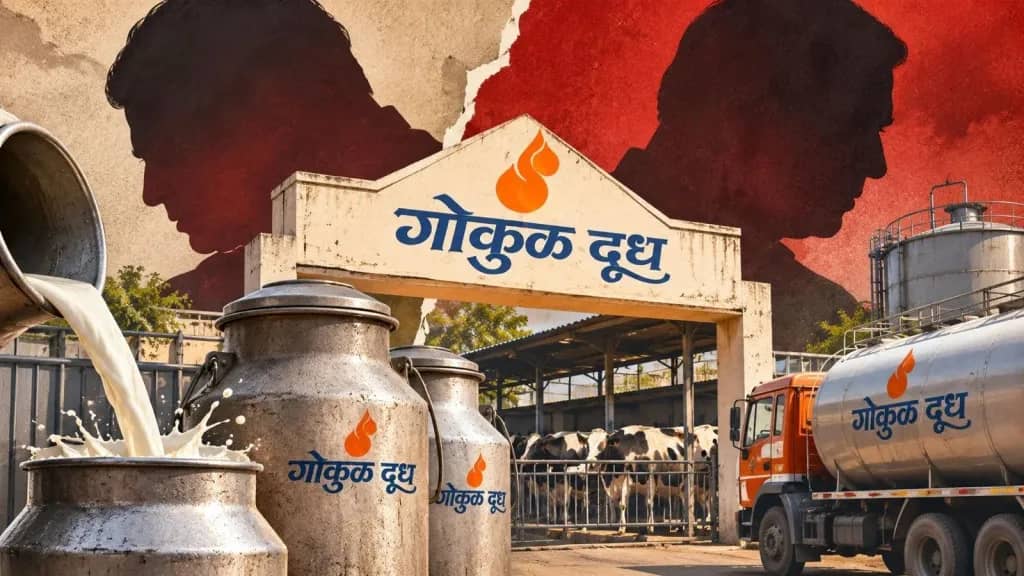
India’s dairy market is facing renewed price pressure, with milk rates increasing by up to 17% over the past year as rising cattle-feed costs, higher logistics expenses and stronger industrial demand reshape supply dynamics. The latest developments across Gujarat, Madhya Pradesh and Karnataka are adding pressure on consumers while creating fresh challenges for dairy processors and milk cooperatives.
Amul, Sanchi and Nandini Revise Milk Prices
Major dairy cooperatives have adjusted retail prices to manage higher procurement and operational expenses.
- Amul: Gujarat Cooperative Milk Marketing Federation (GCMMF) increased selected milk prices by ₹3–₹5 per litre.
- Sanchi: Madhya Pradesh's cooperative dairy brand recorded increases of up to ₹4 per litre amid rising milk procurement costs.
- Nandini: Karnataka approved an approximately ₹8-per-litre increase to support higher farmer payments.
These revisions reflect the growing difficulty of balancing producer remuneration, operating costs and consumer affordability.
Cattle Feed Inflation Intensifies Production Costs
Rising feed prices are emerging as a major pressure point across India's dairy value chain.
Reported figures indicate that maize prices increased approximately 8% over the year, while maize-based cattle feed became around 75% more expensive. Oil cakes and other feed ingredients have also experienced cost increases.
Higher feed expenditure directly affects dairy farmers' production economics, particularly those operating with limited margins. Transport, refrigeration, packaging and processing costs are adding further pressure on cooperatives and private dairy businesses.
Industrial Demand Is Competing With Liquid Milk Markets
The pressure is not coming exclusively from production costs.
Dairy traders in Anand and Bhopal have reported stronger milk purchases by ice-cream manufacturers ahead of the summer season. Some processors are converting milk into skimmed milk powder and frozen milk fat for future use.
This early procurement can tighten liquid-milk availability in regional markets, particularly when industrial requirements overlap with household consumption and local distribution demand.
Winter Milk Availability: An Important Supply Window
November to February traditionally represents an important procurement period for Indian dairy processors.
Higher seasonal milk availability enables cooperatives and private companies to increase collections and convert surplus milk fat into butter and ghee. These stocks help support demand during summer, when milk production and ice-cream consumption patterns can create supply challenges.
However, stronger industrial purchases during this period could influence how much liquid milk remains available for retail markets.
Milk Inflation Could Affect Consumers and Food Businesses
Higher milk prices have implications beyond household expenditure.
Milk is a critical raw material for manufacturers of curd, paneer, butter, ghee, ice cream and traditional sweets. Rising procurement costs can influence product pricing, manufacturing margins and purchasing decisions across the food industry.
Milk and milk powder also support school nutrition programmes in states including Madhya Pradesh, Gujarat and Karnataka. Higher collection and distribution expenses may increase the financial burden of supplying these programmes.
India's Dairy Industry Faces a Cost–Affordability Balancing Act
India produced approximately 247.87 million tonnes of milk in FY2024–25, up 3.5% from the previous year, maintaining its position as the world's largest milk producer.
Yet higher production alone does not eliminate regional supply pressures. Rising feed costs, seasonal fluctuations, industrial demand and logistics expenses continue to influence the economics of milk procurement and distribution.
For dairy cooperatives and private processors, the challenge is increasingly clear: maintain remunerative prices for farmers without placing an excessive burden on consumers.
The direction of milk prices in the coming months will depend on feed-cost movements, seasonal production, industrial purchasing and the ability of dairy businesses to manage supply efficiently.
Source: Read full story here 10 Nov, 2026 Edited and Reported by
#IndianDairy #MilkPrices #DairyIndustry #Amul #DairyMarket
Never miss an important dairy update
Follow DairyNews7x7 on Google to get live milk prices, policy alerts, and daily headlines directly in your feed.