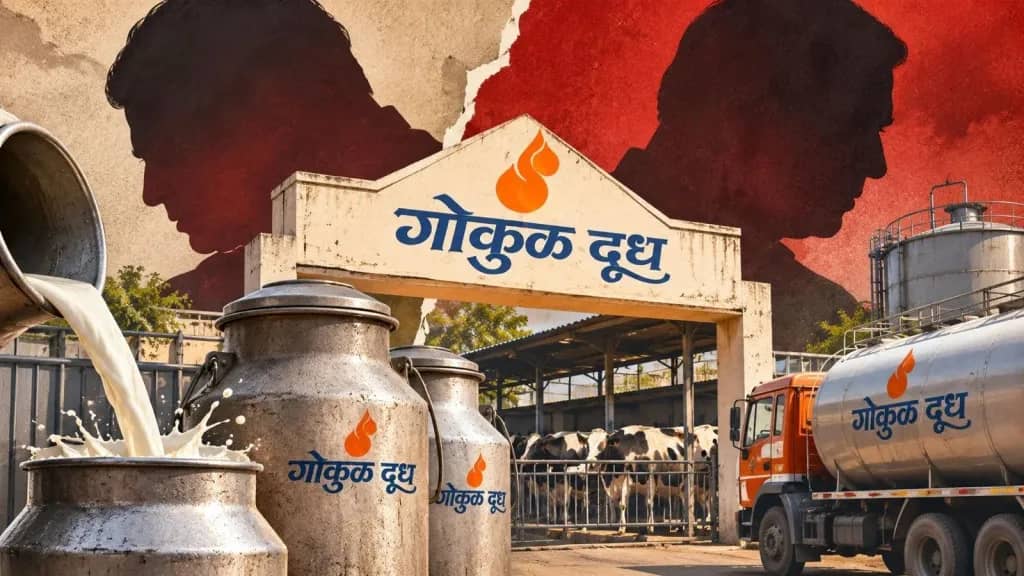
The leadership battle at Maharashtra's Gokul Dairy has intensified after the Bombay High Court refused to stay the state government's ordinance granting voting rights to four nominated directors.
The decision could overturn the outcome of the cooperative's October board elections, in which the Congress-backed Samvichari Aghadi secured a narrow majority over the BJP-led Mahayuti alliance.
Congress Wins 13–12 Board Election
The October 19 election to Gokul Dairy's 25-member board delivered a narrow victory to the Congress-backed panel led by MLC Satej Patil.
- Samvichari Aghadi: 13 elected directors
- Mahayuti-backed panel: 12 elected directors
The result gave the opposition-backed panel control of the elected board of Kolhapur Zilla Sahakari Dudh Utpadak Sangh Maryadit, Maharashtra's largest milk cooperative.
Maharashtra Government's Ordinance Changes Board Arithmetic
On November 4, the Maharashtra Cabinet approved an amendment allowing five government-nominated members on the boards of large cooperative institutions with annual turnover exceeding ₹500 crore.
Under the arrangement:
- Four nominated members receive voting rights.
- One government officer serves without voting rights.
- Nominated members cannot contest elections for office-bearer positions.
Gokul, with annual turnover exceeding ₹4,000 crore, falls within the category covered by the amendment.
If the four nominated directors vote alongside Mahayuti-backed directors, the ruling alliance could command 16 votes against the Congress-backed panel's 13.
Bombay High Court Rejects Interim Stay
On November 9, the Bombay High Court refused to grant interim relief against the ordinance, allowing the chairman's election process to proceed.
The court, however, preserved safeguards while the ordinance's validity remains under challenge:
- Ballot papers of elected and government-nominated directors must be kept separately.
- Election proceedings, ballot papers and relevant documents must be preserved.
- The ordinance's legality remains subject to further judicial examination.
The court's decision not to stay the ordinance does not amount to a final ruling on its constitutional validity.
Farmers Protest Against Government Intervention
Thousands of milk-producing farmers took to the streets in Kolhapur on November 9, demanding withdrawal of the government's decision.
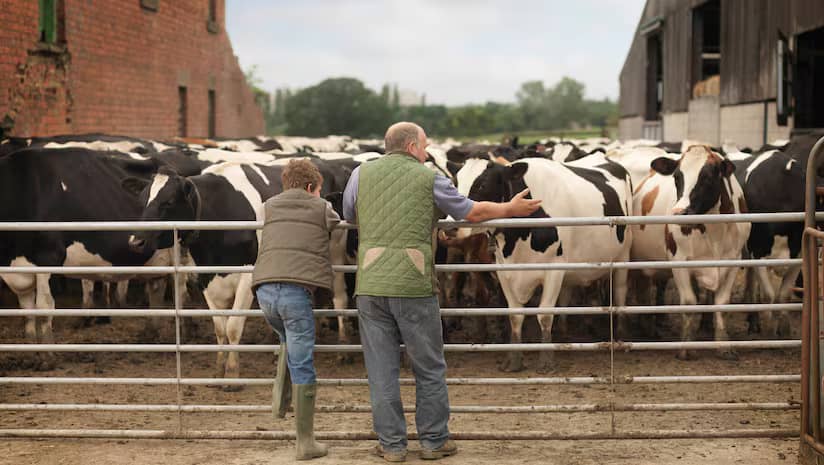
The protest was organised under the Sangharsh Morcha banner by Congress leader Satej Patil and farmer leader Raju Shetti. Farmers from Kolhapur, Sangli and Satara participated, with some bringing cattle to demonstrate opposition to government interference in the cooperative.
The protesters argued that the amendment undermines the democratic mandate of milk producers and threatens the autonomy of cooperative institutions.
Chairman Election Scheduled for November 10
The Bombay High Court had earlier directed a fresh meeting to elect Gokul's chairman on November 10, following the failure of the October 29 meeting to achieve the required quorum.
The cooperative's bylaws require 14 directors for a quorum. The 12 Mahayuti-backed directors remained absent during the earlier meeting, preventing the 13-member Congress-backed group from completing the election.
The November 10 election is therefore taking place amid continuing political and legal disputes over the voting rights of nominated directors.
What This Means for India's Dairy Cooperative Sector
The Gokul controversy raises important questions about cooperative governance and institutional autonomy:
- Democratic representation: Whether elected board mandates can be altered through subsequent legislative changes.
- Cooperative independence: The extent of government involvement in large farmer-owned institutions.
- Political influence: The growing intersection between dairy cooperatives and regional political power.
- Farmer confidence: The implications of governance disputes for milk producers represented by cooperative institutions.
The Bigger Takeaway
Gokul Dairy's chairman election has evolved into a wider debate over who controls India's farmer-owned cooperative institutions.
The immediate contest is between the Congress-backed elected majority and the Mahayuti alliance's potential voting advantage through government nominees.
The outcome could have implications beyond Kolhapur, influencing how state governments and dairy cooperatives navigate board appointments, electoral mandates and institutional autonomy.
Source: Read full story here 10 Nov, 2026 Edited and Reported by
#GokulDairy #IndianDairy #DairyCooperatives #Maharashtra #DairyIndustry
Never miss an important dairy update
Follow DairyNews7x7 on Google to get live milk prices, policy alerts, and daily headlines directly in your feed.