India Faces Prolonged Food Inflation as Milk and Poultry Costs Rise
Weak Monsoon and Rising Input Costs Threaten Food Affordability
India is facing prolonged food inflation as weak monsoon rainfall, water shortages and rising production costs threaten agricultural output and push up prices of essential food commodities, including milk, poultry, grains and pulses.
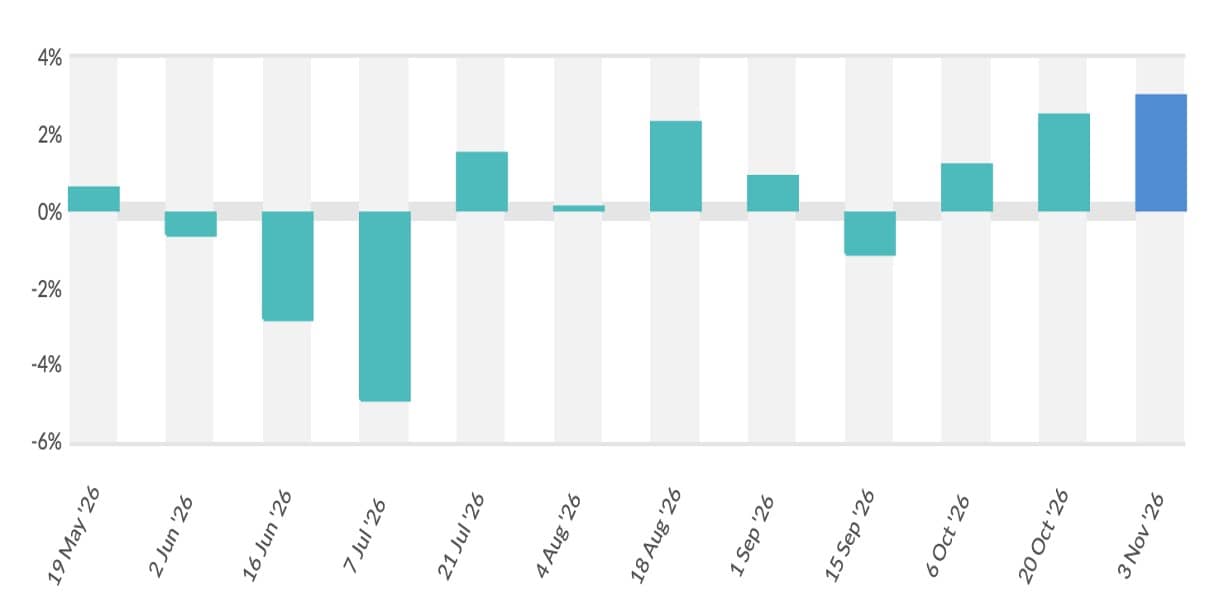
According to a Reuters report published on November 3, 2026, food inflation could approach 10% during the October–December quarter, raising concerns about household purchasing power, rural consumption and monetary policy.
Retail food inflation accelerated to 7.74% in September, pushing headline inflation to 5.54%, close to the Reserve Bank of India's upper tolerance limit of 6%.
Milk and Dairy Products Face Increasing Price Pressure
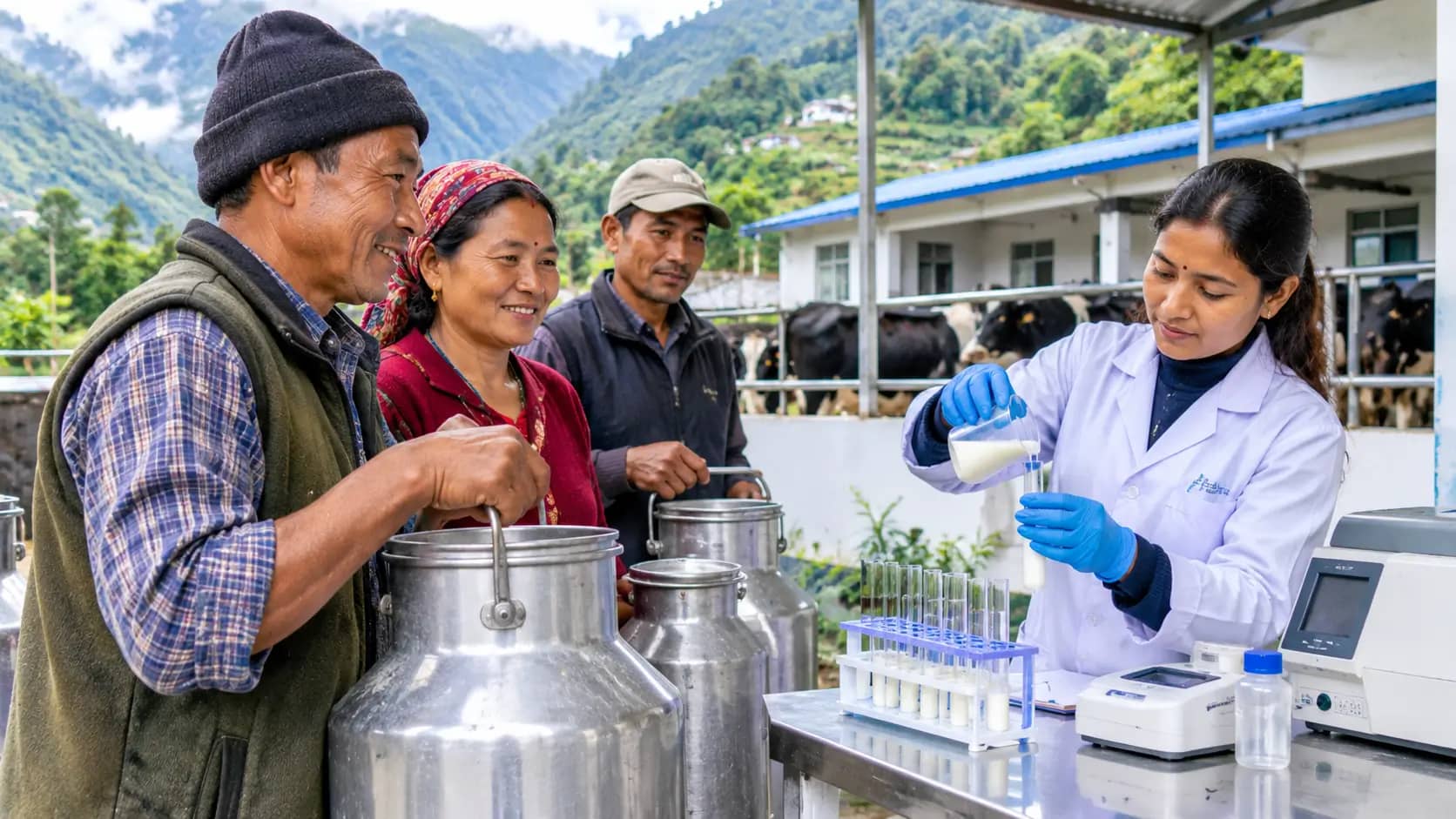
The inflationary pressure is extending across India's dairy value chain.
Inflation in milk, dairy products and eggs increased to 5.1% in September, compared with 4.8% in August.
Higher feed and fodder expenses, transportation, packaging and energy costs are contributing to rising production costs across livestock and dairy operations.
The growing cost of animal protein is particularly concerning because milk, eggs, poultry and pulses are important sources of nutrition for Indian households.
Weak Monsoon Threatens Winter Crop Production
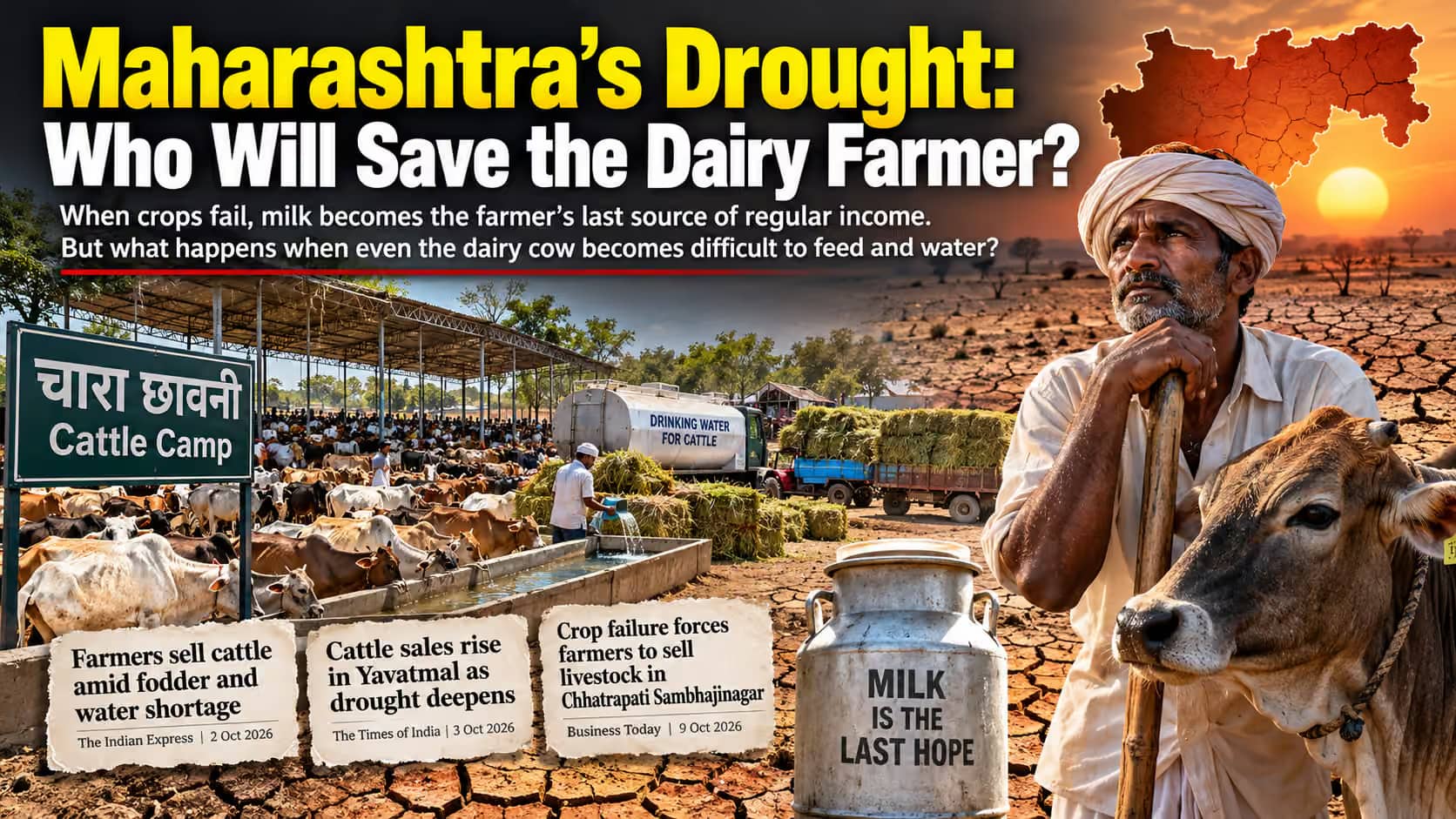
The weakest monsoon rainfall in more than a decade has left several agricultural regions facing water shortages ahead of winter crop planting.
In Maharashtra's Jalna district, rainfall was approximately 48% below average this year, creating difficulties for farmers preparing to sow wheat and chickpeas.
Lower soil moisture increases the risk of poor crop establishment, reduced yields and tighter agricultural supplies.
The potential impact extends beyond grains, as reduced availability of agricultural inputs can increase pressure on feed and fodder markets.
Poultry Feed Costs Intensify Protein Inflation
Feed costs are emerging as a major pressure point for India's animal protein sector.
Corn and soybean-based feed accounts for approximately 60–70% of poultry production costs, according to industry representatives cited by Reuters.
Higher feed expenses, combined with transportation and energy costs, are squeezing poultry producers.
Industry representatives expect broiler prices to rise further from January 2027 as producers pass on higher costs amid tightening supplies.
The same broader input-cost pressures are affecting dairy producers, particularly through feed, fodder and logistics expenses.
Sugar and Grain Markets Add to Inflationary Pressure
India's sugar production is expected to remain below domestic consumption for a second consecutive year.
Consumption is projected to exceed 29 million tonnes, against production of less than 27.5 million tonnes.
The government has permitted duty-free imports of one million tonnes to help bridge the shortfall. However, higher international prices, a weaker rupee and freight costs are limiting the potential relief.
Meanwhile, wheat prices have reached a nearly two-year high amid concerns about warmer winter conditions and potential El Niño-related production risks.
Although India maintains surplus rice and wheat stocks, prices of preferred premium varieties remain elevated because of tighter availability.
Food Inflation Could Weaken Rural Demand
Higher food prices are creating additional pressure on rural households already facing weaker agricultural incomes.
The poor monsoon has affected farm activity and contributed to declining sales of tractors and agricultural equipment.
Economists also warn that sustained increases in pulses, poultry and dairy prices could force lower-income households to reduce protein consumption, with implications for nutrition and long-term health.
Implications for India's Dairy Industry
The inflation outlook presents a complex challenge for India's dairy ecosystem.
Higher milk procurement costs can support farmer remuneration, but increasing feed, fodder, transport and processing expenses can simultaneously compress dairy business margins.
For dairy processors and cooperatives, the challenge will be balancing procurement prices, consumer affordability and operational profitability.
The outlook also reinforces the importance of feed efficiency, fodder availability, resilient milk procurement systems and improved farm productivity.
Industry takeaway: India's food inflation challenge is increasingly becoming a protein affordability challenge. For the dairy industry, managing input costs while protecting farmer incomes and consumer demand will be critical as the winter crop season unfolds.
Source: Read full story here 04 Nov, 2026 Edited and Reported by
#DairyIndustry #MilkPrices #FoodInflation #IndianDairy #DairyEconomics
Never miss an important dairy update
Follow DairyNews7x7 on Google to get live milk prices, policy alerts, and daily headlines directly in your feed.