Global Milk Production to Contract 0.2% in Q4 2026 as Dairy Supply Tightens, RaboResearch Forecasts
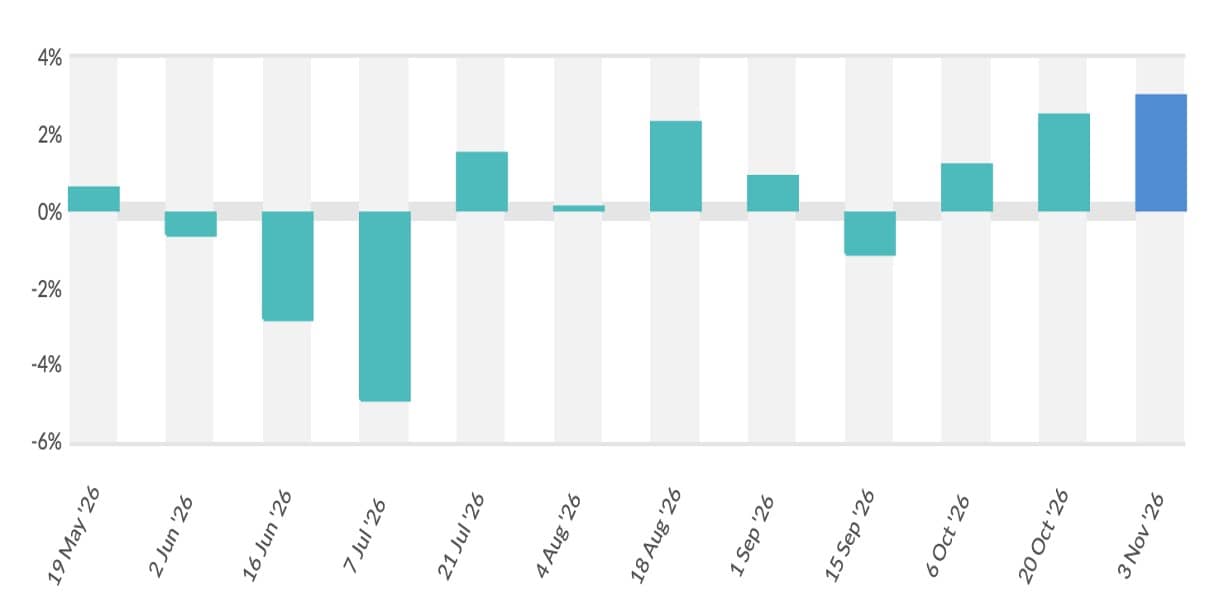
Global dairy markets are approaching a turning point as milk production across the world's seven major dairy-exporting regions is forecast to decline by 0.2% year-on-year in the fourth quarter of 2026, according to RaboResearch.
The forecast marks a significant slowdown following more than a year of abundant milk supplies and pressure on international dairy commodity prices.
The Big 7 comprises the United States, European Union, New Zealand, Australia, Brazil, Argentina and Uruguay. Collectively, these regions play a major role in determining global dairy export availability and international price movements.
RaboResearch expects production growth across these regions to slow to approximately 0.5% year-on-year in the second half of 2026, before contracting in Q4. Output is then expected to remain broadly stable during the first half of 2027.
European Dairy Production Faces Growing Profitability Pressure
Europe is expected to be one of the principal contributors to the anticipated supply contraction.
RaboResearch forecasts declining EU milk deliveries from Q4 2026 through Q1 2027, followed by relatively stable production during the remaining months of 2027.
Lower farmgate milk prices compared with 2025 are weakening producer profitability and influencing decisions about feeding, investment and herd expansion.
In October 2026, the average EU farmgate milk price stood at €45.12 per 100 kilograms, down 13.9% year-on-year. Spain recorded €46.02 per 100 kilograms, representing an 11.4% annual decline.
Reduced profitability could discourage farmers from increasing production, particularly as feed, energy and other operating costs remain significant.
United States Expected to Maintain Production Growth
The United States is following a different trajectory from Europe.
RaboResearch projects US milk production growth of approximately 2% in 2027, supported by an expanding dairy herd and continued investment in production capacity.
The US dairy industry continues to benefit from strong processing demand, particularly for cheese and dairy ingredients.
However, producer returns remain influenced by milk-component prices and movements in the butter and cheese markets.
This continued expansion could strengthen the United States' position in international dairy trade even as production slows in other exporting regions.
New Zealand Approaches Record Milk-Solids Production
New Zealand is expected to remain a major contributor to global dairy supply.
RaboResearch projects milk-solids production approaching 2 billion kilograms by mid-2027, potentially setting a new record.
Fonterra's forecast farmgate milk payout of NZ$9.50 per kilogram of milk solids for the 2026/27 season provides a positive income outlook for producers.
Nevertheless, higher imported agricultural input costs could reduce farm profitability. Weather conditions, particularly the potential effects of El Niño, also remain important risks to pasture growth and milk production.
Australian Dairy Farmers Face Weather and Cost Risks
Australian dairy farmers entered the 2026/27 season with profitability above the long-term historical average, supported by favourable forage reserves and improved business confidence.
However, the outlook remains exposed to dry weather conditions and possible El Niño-related disruptions.
Lower pasture production could increase reliance on purchased feed, adding to farm operating expenses. Higher diesel prices and interest rates are also creating additional financial pressure.
These factors could limit production growth despite relatively favourable starting conditions.
Asian Demand Supports Milk Powders and Dairy Proteins
Despite abundant global milk supplies, international dairy demand has remained more resilient than anticipated.
Asian markets continue to support international trade in milk powder, cheese and dairy protein ingredients. China is showing signs of consumption stabilisation, although retail demand remains relatively weak.
Demand is increasingly concentrated in products associated with health, nutrition and protein intake.
Growing interest in high-protein foods, including dietary trends associated with GLP-1 treatments, is creating additional opportunities for specialised dairy ingredients.
The expansion of foodservice markets across Asia is also supporting demand for dairy products.
Milk Powder Prices Expected to Perform Better Than Butter
The changing supply-demand balance is expected to produce different price movements across dairy commodity categories.
RaboResearch anticipates stronger prospects for whole milk powder prices in Oceania during the first half of 2027, supported by international purchasing demand, particularly from Asia.
However, butter markets face a comparatively weaker outlook because of abundant milk-fat supplies.
Cheese markets are also experiencing pressure from continued production expansion and available product stocks.
This divergence highlights the growing importance of milk-component utilisation and product-mix decisions for dairy processors.
What the Forecast Means for the Global Dairy Industry
The anticipated slowdown in Big 7 production has several implications:
- Milk procurement: Slower production growth could increase competition for raw milk in supply-constrained markets.
- Commodity prices: Milk powders and dairy proteins may experience stronger demand and pricing support than butter.
- Farm profitability: Lower milk prices and higher feed, fertiliser, energy and freight costs could restrict production expansion.
- Export competitiveness: Countries with efficient production systems and favourable milk-component economics may strengthen their international position.
- Weather exposure: El Niño-related disruptions could further influence production in Australia and New Zealand.
For dairy processors, exporters and cooperatives, the changing market environment will require closer monitoring of procurement costs, product composition, international demand and commodity price movements.
Global Dairy Markets Enter a Supply-Sensitive Phase
The expected 0.2% contraction in Big 7 milk production during Q4 2026 represents a modest decline in volume, but an important shift in market direction.
After an extended period of abundant exportable supplies, the industry is moving towards slower production growth and greater supply uncertainty.
The outlook for 2027 will depend on whether demand continues to absorb available milk, how weather conditions affect production in major exporting countries and whether lower farmgate prices trigger further reductions in supply.
For the global dairy industry, the next phase may be less about expanding milk volumes and more about balancing production economics, product value and international demand.
Source: Read full story here 14 Nov, 2026 Edited and Reported by
#DairyIndustry #GlobalDairyMarket #DairyTrade
Never miss an important dairy update
Follow DairyNews7x7 on Google to get live milk prices, policy alerts, and daily headlines directly in your feed.