Centre Urges States to Boost Fodder Production and Livestock Infrastructure Under VB–G RAM G
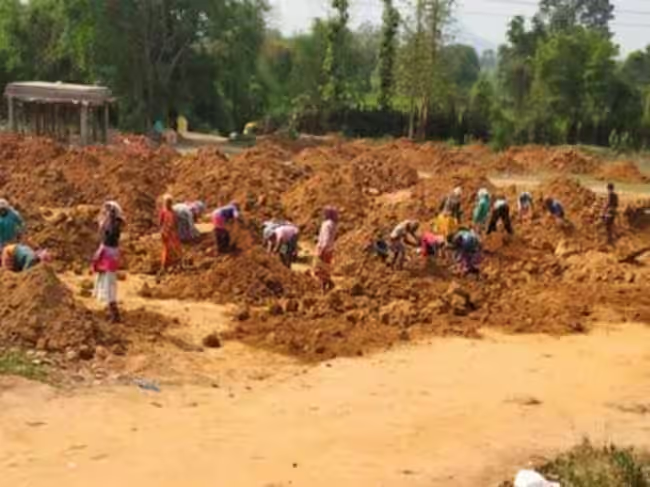
The Centre has issued a joint advisory to all States and Union Territories to strengthen fodder security, develop community pastures and improve livestock-supportive infrastructure by using the rural employment framework under the Viksit Bharat–Guarantee for Rozgar and Ajeevika Mission (Gramin), or VB–G RAM G Act, 2025.
The advisory, jointly issued by the Department of Rural Development and the Department of Animal Husbandry and Dairying (DAHD), identifies 22 permissible works from a list of 375 activities under the programme. The initiative aims to address fodder shortages while creating durable assets that support dairy farming, animal husbandry and rural livelihoods, particularly among small and marginal farmers and landless households.
22 Permissible Works Target Fodder and Livestock Development
The identified activities cover fodder cultivation, pasture development, livestock shelters, dairy infrastructure and veterinary facilities.
Key interventions include:
- Fodder production and storage: Cultivation of fodder for individual households and communities, development of community fodder resources, fodder banks, silage units and storage facilities.
- Pasture development: Creation and improvement of grazing lands, community pastures and silvipasture systems.
- Livestock shelters: Construction, repair and maintenance of shelters for cattle, goats, pigs and poultry, as specified under the approved works.
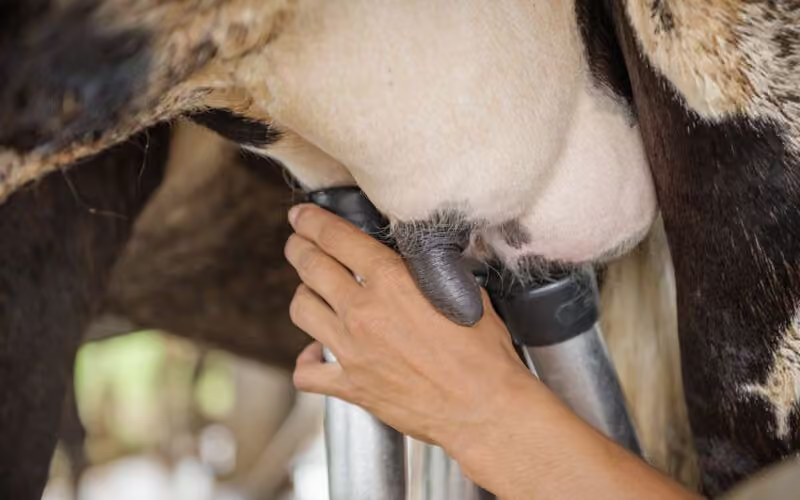
- Dairy infrastructure: Construction and repair of community milk collection centres.
- Veterinary facilities: Development and repair of community veterinary health centres and construction of animal drinking troughs.
- Alternative fodder resources: Construction of Azolla tanks for eligible individual beneficiaries.
These activities are intended to improve access to feed and essential livestock infrastructure, helping rural households strengthen their animal-based income sources.
States Encouraged to Allocate at Least 5% of Programme Expenditure
A significant feature of the advisory is its recommendation that States and Union Territories progressively increase expenditure on fodder development and livestock-supportive works towards at least 5% of total programme expenditure, wherever justified by local requirements, approved plans and applicable guidelines.
The Centre has also encouraged a need-based approach to identify households and communities requiring livestock-related assets.
Gram Panchayats where more than 30% of the population depends on livestock for livelihoods may receive particular attention, depending on local priorities.
Importantly, the 5% expenditure figure is an encouragement under the advisory, rather than a blanket mandatory allocation for every State or district.
Gram Panchayats to Drive Local Planning
The advisory places Panchayati Raj Institutions at the centre of implementation. Fodder development and livestock infrastructure are expected to be incorporated into Viksit Gram Panchayat Plans (VGPPs), with local priorities identified and approved through Gram Sabhas.
State-specific Fodder Resource Development Plans prepared by the ICAR–Indian Grassland and Fodder Research Institute (ICAR–IGFRI) may guide planning at district and block levels.
The Centre has also encouraged climate-resilient interventions, including suitable fodder varieties, perennial grasses and integrated crop–livestock systems, wherever these are covered under the permissible works.
States have been asked to prepare comprehensive action plans by coordinating the departments of Rural Development, Animal Husbandry, Agriculture and other relevant sectors.
Implementation to Follow Statutory Safeguards
The advisory reiterates that all approved works must comply with the statutory provisions of the VB–G RAM G Act, 2025.
These safeguards include decentralised and Panchayat-led planning, compulsory social audits, beneficiary selection in accordance with Schedule I, weekly public disclosures and grievance redressal mechanisms. It also reiterates the district-level ceiling of 40% on the material component.
The VB–G RAM G Act came into force on July 1, 2026, and provides a statutory guarantee of 125 days of wage employment per rural household. Its framework focuses on creating durable rural assets across four thematic areas, including livelihood-related infrastructure and mitigation of extreme weather events.
What the Advisory Means for India's Dairy Sector
The Centre's move recognises that dairy productivity depends not only on animal genetics, milk procurement and processing capacity, but also on reliable access to quality fodder, grazing resources and basic veterinary infrastructure.
For dairy farmers, better access to community fodder resources, silage facilities and storage infrastructure could help address seasonal feed shortages. Stronger milk collection facilities and veterinary centres could also improve the support available to livestock-dependent communities.
For cooperatives and dairy institutions, the initiative creates an opportunity to work with Gram Panchayats and State departments on local fodder planning, livestock services and rural infrastructure development.
However, the impact will depend on how effectively States translate the advisory into approved village-level plans, allocate programme resources and complete the identified works. The advisory establishes a framework and encourages convergence; it does not itself guarantee that every proposed asset will be funded or constructed.
The larger opportunity is to connect rural employment with dairy-sector productivity. If implemented effectively, fodder security and livestock infrastructure could become important pillars of more resilient rural dairy economies.
Read full story here 13 Nov, 2026 Edited and Reported by
#DairyIndustry #FodderSecurity #LivestockDevelopment
Never miss an important dairy update
Follow DairyNews7x7 on Google to get live milk prices, policy alerts, and daily headlines directly in your feed.