Milk Inflation Crosses 4% Before Latest Price Hikes as Paneer Prices Surge, Revealing Dairy Cost Pressures
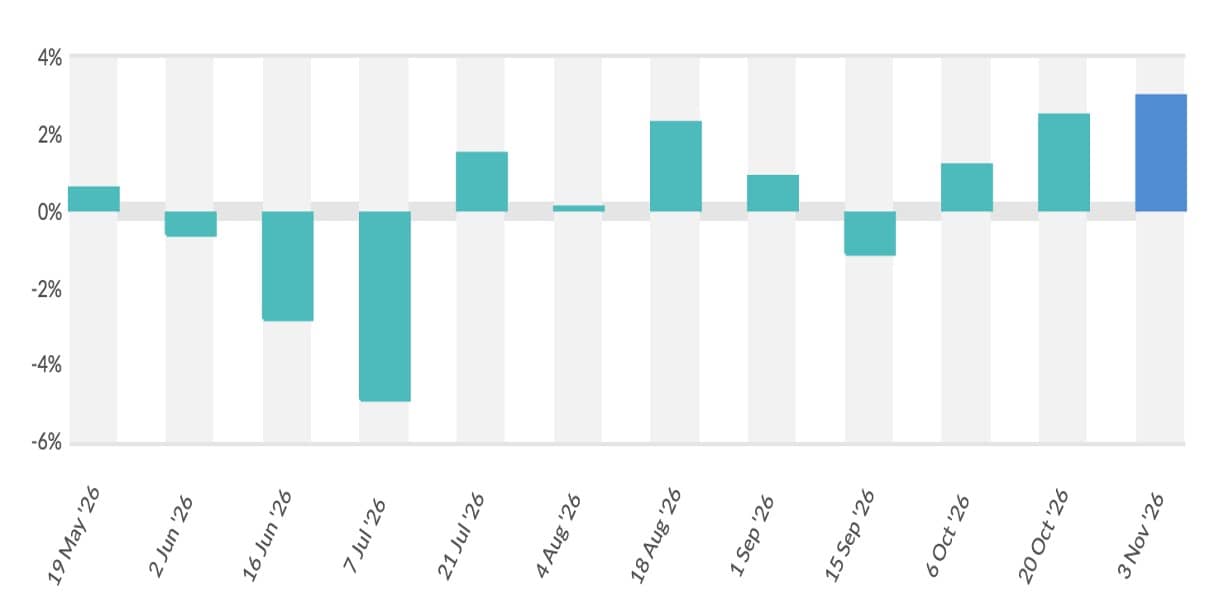
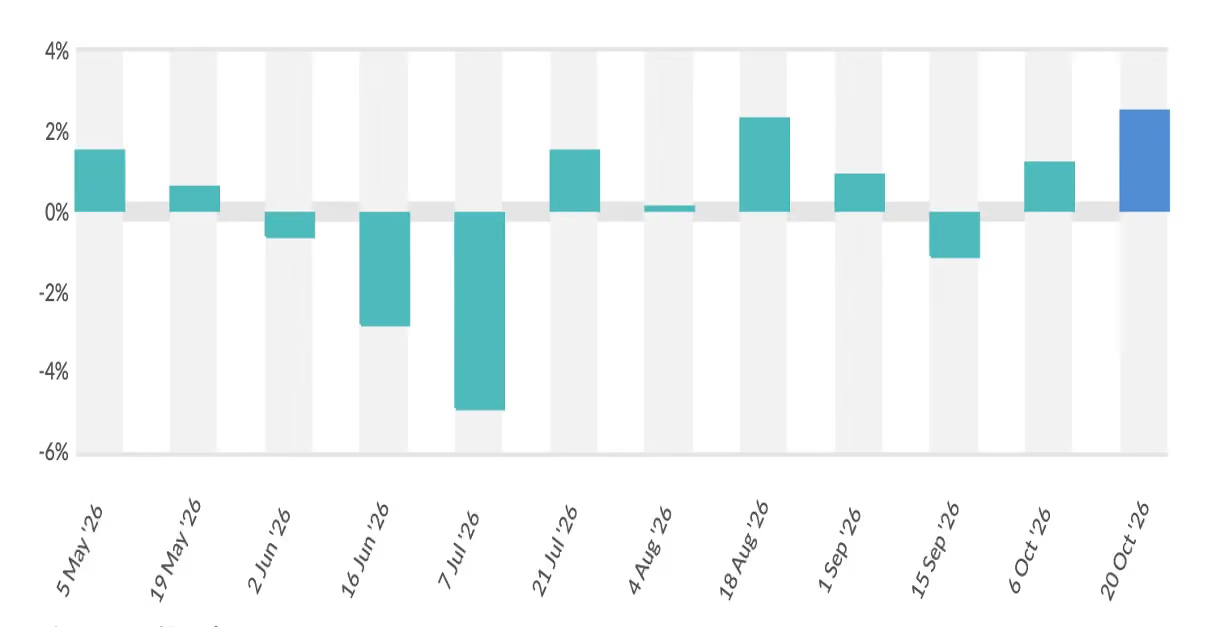
India's dairy sector was already experiencing significant consumer price pressures before the latest retail milk price revisions by Amul and Mother Dairy. According to Business Standard's Datanomics analysis, liquid milk inflation crossed 4% in September 2026, while paneer prices increased by more than 5.5% in October, reflecting mounting pressures across the dairy value chain.
The data underline a broader industry challenge: rising milk procurement prices, expensive cattle feed and fodder, uneven rainfall and constrained milk availability are increasingly influencing consumer prices.
Milk Inflation Builds Ahead of November Price Revisions
The latest inflation figures indicate that dairy prices were strengthening even before major brands announced their November revisions.
- Liquid milk: Inflation crossed 4% in September 2026, reflecting higher retail prices.
- Paneer: Prices increased by more than 5.5% in October, indicating stronger cost pressures in value-added dairy products.
- Milk and milk products: Inflationary pressures extended beyond liquid milk into processed and traditional dairy categories.
These developments suggest that the November price increases were not isolated decisions but part of a broader adjustment to rising production and procurement costs.
Amul and Mother Dairy Increase Milk Prices
The latest retail revisions have added to the inflationary pressure on household dairy budgets.
Amul increased fresh pouch milk prices by 4–5% across major variants and pack sizes from November 12, 2026. Amul Taaza toned milk became ₹2 per litre costlier, while Amul Gold increased by ₹4 per litre.
Mother Dairy also revised prices by ₹2–4 per litre across liquid milk variants in Delhi-NCR.
The November increases followed earlier revisions during FY2026-27, making the frequency of milk-price adjustments unusual compared with typical annual pricing patterns.
The Gujarat Cooperative Milk Marketing Federation (GCMMF), which markets products under the Amul brand, attributed its revision to rising production costs and the need to support milk producers amid difficult weather conditions. Mother Dairy's price revision was linked to higher milk procurement expenses.
Cattle Feed and Fodder Costs Remain Major Drivers
One of the most significant pressures originates at the farm level.
Industry reporting indicates that cattle feed costs in September 2026 were approximately 15–20% higher than a year earlier. Prices of important feed ingredients, including maize, de-oiled rice bran cake, soybean-related ingredients and other grains, have increased.
Maize has emerged as an especially important factor. Greater industrial demand for maize, including its use in ethanol production, has contributed to pressure on feed availability and prices.
Higher feed expenses increase the cost of maintaining dairy animals and producing milk. Farmers consequently require higher procurement prices to protect their margins, while dairy processors face higher raw-milk purchasing costs.
Uneven Monsoon and Milk Availability Add to Pressure
Weather conditions have complicated the dairy industry's supply outlook.
Uneven rainfall across several milk-producing regions has raised concerns about fodder availability, animal productivity and milk production.
The expected seasonal increase in milk supply during the winter flush season may therefore provide less relief than usual.
India's flush season generally runs from October to February, when milk production typically increases. However, higher feed costs, weather-related disruptions and growing demand have raised concerns that procurement prices may remain elevated even during this period.
Paneer Demand and Product-Specific Inflation
The pressure is not restricted to liquid milk.
Paneer has experienced additional demand following a nationwide crackdown on analogue paneer, increasing attention on products made from natural milk.
Higher milk procurement costs directly affect paneer manufacturing because milk is the principal raw material. Consequently, rising milk prices can translate into higher paneer prices, particularly when demand remains strong.
Other dairy products, including ghee, butter, curd and cheese, are also experiencing price adjustments as input costs rise.
This creates a wider inflationary impact across India's dairy basket.
What the Inflation Data Means for Dairy Businesses
The latest developments have several implications for India's organised dairy industry:
- Procurement economics: Higher raw-milk prices are increasing the cost base for cooperatives and private processors.
- Farmer profitability: Rising feed and fodder expenses make higher milk procurement prices increasingly important for sustaining farm-level returns.
- Consumer affordability: Repeated retail price increases may put pressure on household consumption budgets.
- Value-added products: Paneer, ghee, butter and other dairy products remain exposed to raw-milk cost fluctuations.
- Supply management: Weather resilience, fodder security and improved productivity could become increasingly important for stabilising procurement economics.
The challenge for dairy companies is to balance adequate farmer remuneration with consumer affordability while protecting operational margins.
Dairy Inflation: A Structural Cost Challenge
The latest inflation figures reinforce the importance of looking beyond retail milk prices.
India remains the world's largest milk producer, but higher output alone does not guarantee price stability. Feed economics, animal productivity, seasonal supply, weather conditions and consumer demand all influence the cost of milk production.
The November price revisions by major dairy brands represent a visible outcome of these underlying pressures.
For India's dairy industry, the immediate challenge is no longer simply increasing milk production. It is achieving sustainable productivity growth while keeping feed costs, procurement prices and consumer affordability in balance.
#DairyIndustry #MilkInflation #DairyEconomics
Read full story here 13 Nov, 2026 Edited and Reported by
Never miss an important dairy update
Follow DairyNews7x7 on Google to get live milk prices, policy alerts, and daily headlines directly in your feed.