FrieslandCampina has formed an alliance with seven transport companies in the Netherlands and Germany to reduce emissions from milk transportation by gradually shifting its milk-collection fleet towards trucks powered by biomethane, or bio-CNG.
Under the agreement, transport partners will opt for bio-CNG-powered trucks when existing vehicles are replaced. Around half of the participating transport fleet is expected to transition to bio-CNG in the coming years, covering milk-transport operations across the Netherlands, Belgium and Germany.
From Dairy Manure to Transport Fuel
A key feature of the initiative is the use of biomethane produced through anaerobic digestion of manure. Dairy-farming residual streams can therefore become a renewable energy source for the same supply chain that transports milk.
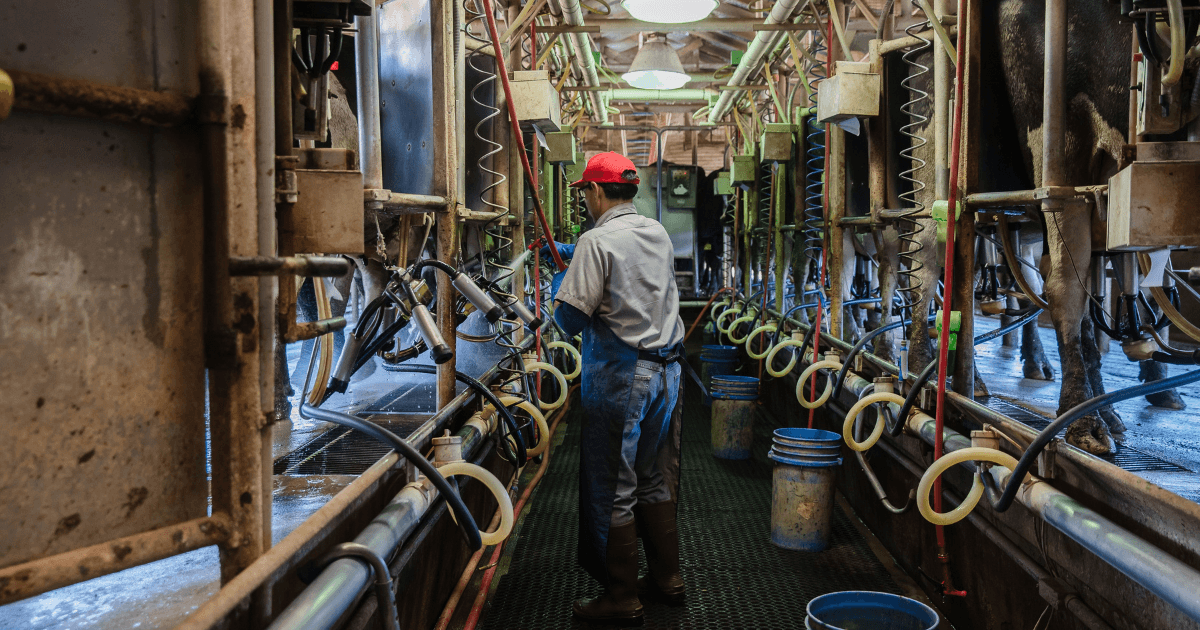
In Germany, FrieslandCampina member dairy farm Barver Landmilch in Lower Saxony is already producing biomethane using its own manure digester. The farm also has refuelling infrastructure on site, allowing milk trucks collecting milk in the surrounding region to refuel with locally produced bio-CNG.
The approach creates a direct link between dairy farms and milk logistics, potentially allowing part of the fuel used to transport milk to originate from the farms supplying that milk.
Infrastructure Investment Required
FrieslandCampina and its logistics partners are also working on the development of refuelling and charging infrastructure to expand the use of renewable fuels and low-emission vehicles across the transport network.
Transport companies involved in the alliance have highlighted the need for substantial investment in both vehicles and refuelling infrastructure. The initiative is therefore based on coordinated action across the dairy logistics chain rather than relying on individual fleet operators to make the transition independently.
Bio-CNG Chosen for Milk Collection
FrieslandCampina is also using electric trucks in parts of its logistics operations, but the cooperative currently sees bio-CNG as a more practical option for a significant portion of milk collection.
Industry reporting indicates that range, charging availability, vehicle costs and infrastructure remain constraints for electric trucks in some milk-collection applications. Bio-CNG can make use of existing gas-fuelling infrastructure while providing a pathway to lower-emission transport.
The initiative forms part of FrieslandCampina's broader sustainability strategy. The cooperative has set an ambition to achieve a net-climate-neutral dairy chain by 2050 at the latest.
For the dairy industry, the model demonstrates how decarbonisation can extend beyond processing plants and farms to the transportation stage—and how manure management can potentially become part of a circular dairy-energy system.
Source: Dairynews7x7 06 Oct, 2026 Read full article here
#DairyIndustry #SustainableDairy #BioCNG #DairyLogistics #CircularEconomy #ClimateSmartDairy #DairyNews7x7
Never miss an important dairy update
Follow DairyNews7x7 on Google to get live milk prices, policy alerts, and daily headlines directly in your feed.