Latest Blogs
See More


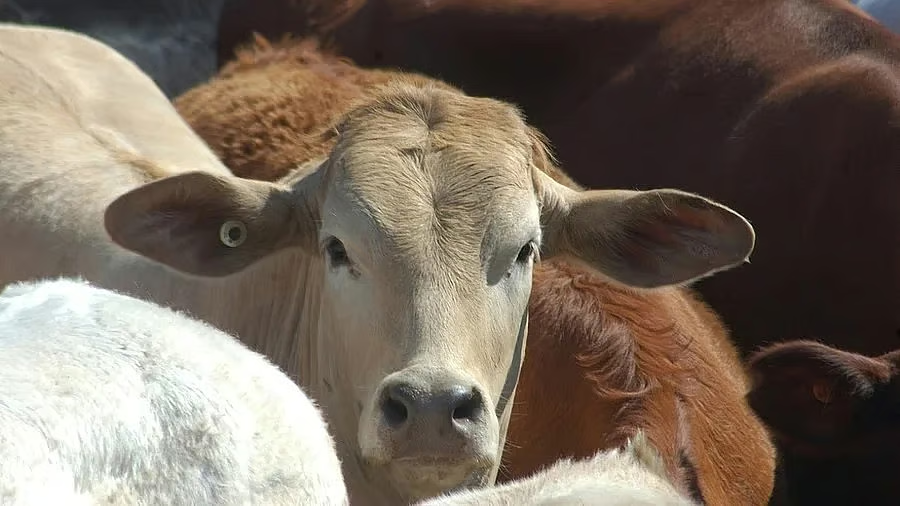
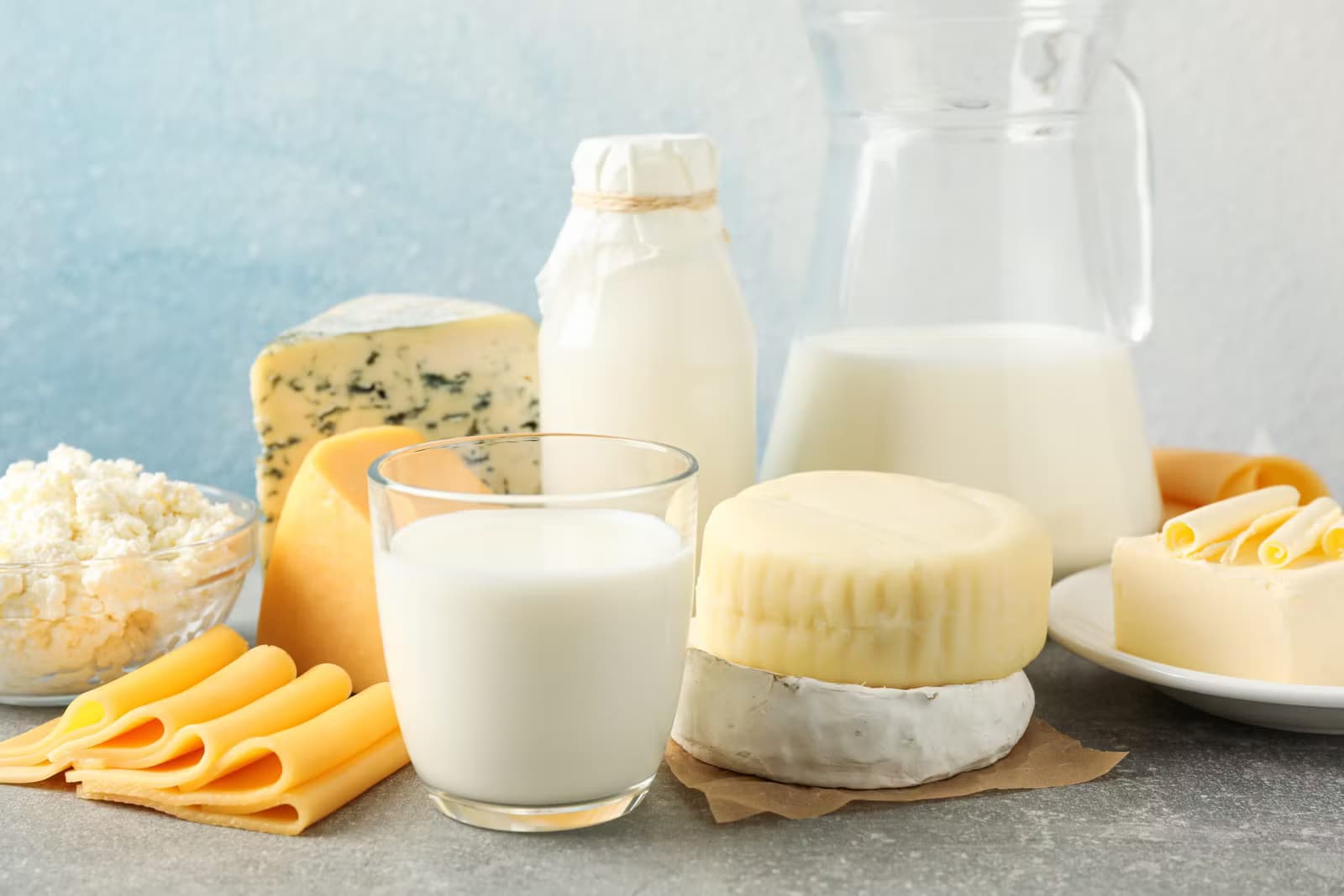
Karnataka’s milk production has witnessed a massive rise over the past decade, with daily output increasing from 64.86 lakh kg in 2015-16 to nearly one crore kg now, driven largely by the growing population of high-yield cross-bred cows. Since 2001-02, milk procurement by the Karnataka Milk Federation (KMF) has surged by 382%, reflecting the state’s rapid dairy expansion.
According to officials, a major factor behind this growth has been the large-scale artificial insemination program led by the Department of Animal Husbandry and Veterinary Services, which uses semen from imported high-yield breeds such as Holstein Friesian from Germany and Jersey breeds from England. Annually, nearly 70 lakh artificial inseminations are carried out in the state, with almost 50% conducted by KMF itself.
Over the last seven years, these programs have resulted in the birth of around 57 lakh calves, while nearly eight lakh calves are born every year through artificial insemination techniques. Officials stated that cross-breeding has significantly improved milk productivity, as indigenous breeds generally have lower milk yields. Karnataka currently maintains semen banks housing nearly 100 imported bulls for breeding purposes.
Alongside productivity enhancement, the state is also working to conserve native breeds like Hallikar and Amrith Mahal through selective breeding programs. Experts say the combined focus on better fodder availability, financial incentives and scientific breeding practices is transforming Karnataka into one of India’s fastest-growing dairy-producing states. (Deccan Herald)
Source: Dairynews7x7 12 May, 2026 Read full story here
#KarnatakaDairy #MilkProduction #CrossBredCows #KMF #DairyIndustry #ArtificialInsemination #DairyNews