Latest Blogs
See More


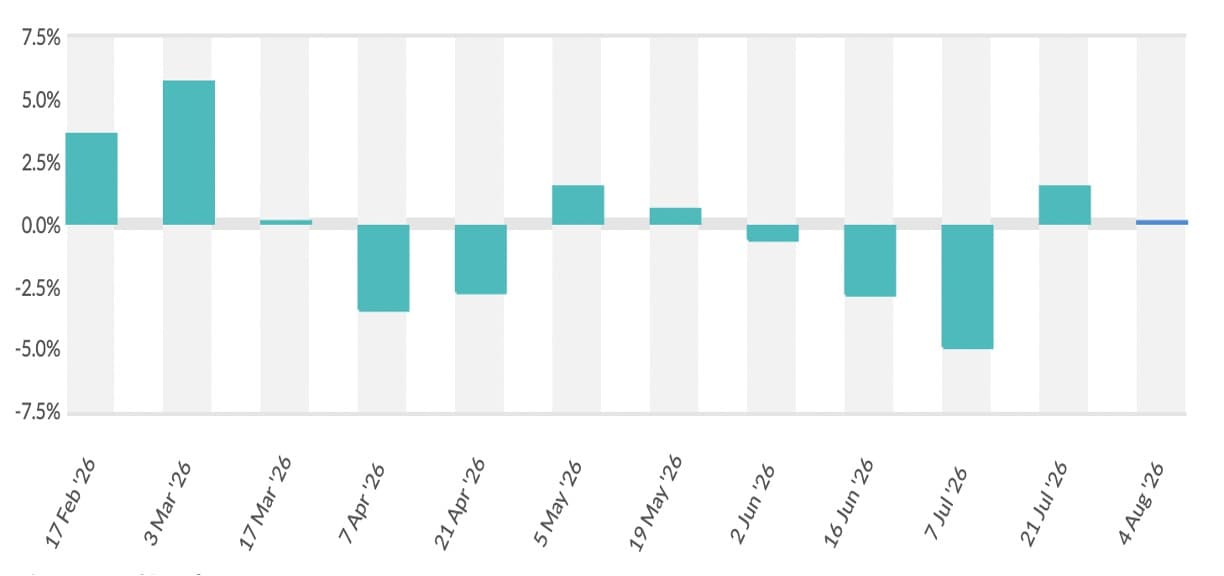
Global food prices climbed for the third consecutive month in April 2026, with the UN Food and Agriculture Organization (FAO) Food Price Index rising to 130.7 points — its highest level since February 2023. The index increased 1.6% from March, driven mainly by surging vegetable oil, meat and cereal prices amid escalating global energy costs and supply chain disruptions linked to geopolitical tensions in the Middle East.
According to FAO, the Vegetable Oil Price Index jumped 5.9% in April, reaching its highest level since July 2022. Prices of palm, soy, sunflower and rapeseed oils rose sharply due to stronger biofuel demand, higher crude oil prices and supply concerns linked to disruptions around the Strait of Hormuz. Meat prices also rose 1.2%, with global bovine meat prices touching record highs because of tighter cattle supplies in major exporting countries such as Brazil.
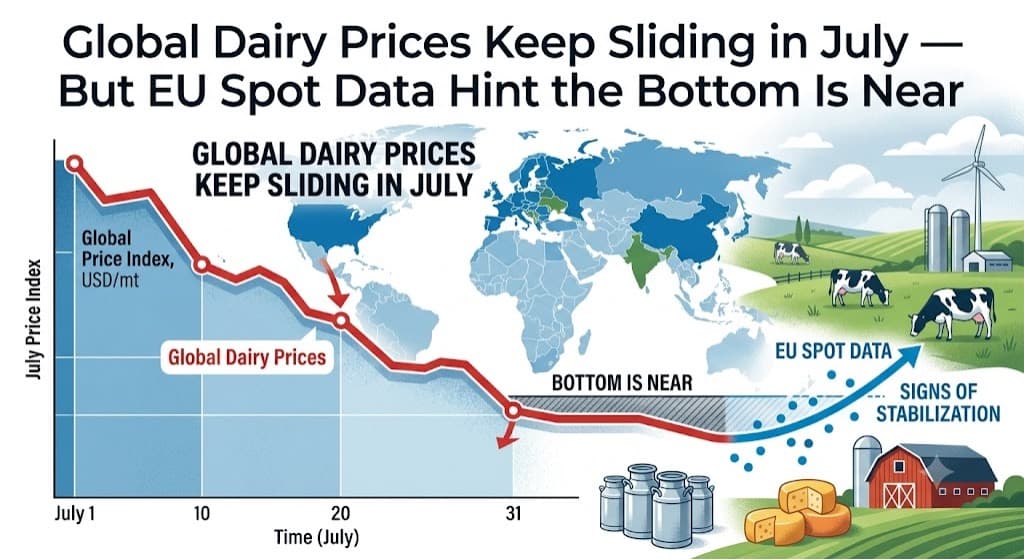
However, dairy and sugar prices moved in the opposite direction. The FAO Dairy Price Index declined 1.1% to 119.6 points in April as lower butter and cheese prices offset gains in skim milk powder. Improved milk output in Oceania and abundant milk supplies in the European Union helped ease dairy price pressures. Meanwhile, the Sugar Price Index fell 4.7% from March and was down 21.2% year-on-year due to expectations of ample global sugar supplies, particularly from Brazil, Thailand and China.
FAO also revised its global cereal production forecast upward to a record 3.04 billion metric tonnes for 2025, although rising fertilizer prices, climate uncertainties and elevated transportation costs continue to create volatility across agricultural markets. Analysts warn that prolonged geopolitical tensions and high energy prices could keep global food inflation elevated in the coming months, impacting both producers and consumers worldwide.
Source: Dairynews7x7 11 May, 2026 Read full story here
#FAO #FoodPriceIndex #DairyIndustry #GlobalFoodPrices #MilkPrices #FoodInflation #Agriculture