As India’s dairy sector continues to expand, reliable electricity is emerging as a critical requirement for protecting milk quality between the farm and processing plant. A recent Frontline report examines how solar-powered milk chilling and other renewable-energy solutions are being deployed to address power shortages, reduce spoilage and lower energy costs.
Freshly produced milk leaves the animal at around 33°C and needs to be cooled to approximately 3–4°C as quickly as possible to slow bacterial growth. Ideally, milk should reach a chilling centre within two to three hours, although transportation can take four to six hours in areas where collection centres are located far from villages.
Milk Spoilage Varies Across Regions
A NABARD Consultancy Services study covering 14 locations estimated average post-harvest milk losses at 0.87%. However, the regional variation was significant, with losses ranging from 0.53% in Indore, Madhya Pradesh, to 8.94% in East Medinipur, West Bengal.
The figures indicate that national averages can mask substantial losses in areas where milk collection, transportation and chilling infrastructure remain inadequate.
Power Reliability Is Part of the Cold Chain
Bulk milk coolers are an important first line of defence against spoilage, but their effectiveness depends on a dependable electricity supply. In many rural areas, power interruptions can force dairy cooperatives and collection centres to rely on diesel generators.
A 2026 survey by the Yale Program on Climate Change Communication cited in the report found that 66% of Indians reported experiencing electricity disruptions on a typical day, while 22% reported outages lasting five hours or more.
For dairy operations, prolonged outages can mean milk temperatures rising before the product reaches the next stage of the supply chain.
Solar Chilling Offers an Alternative
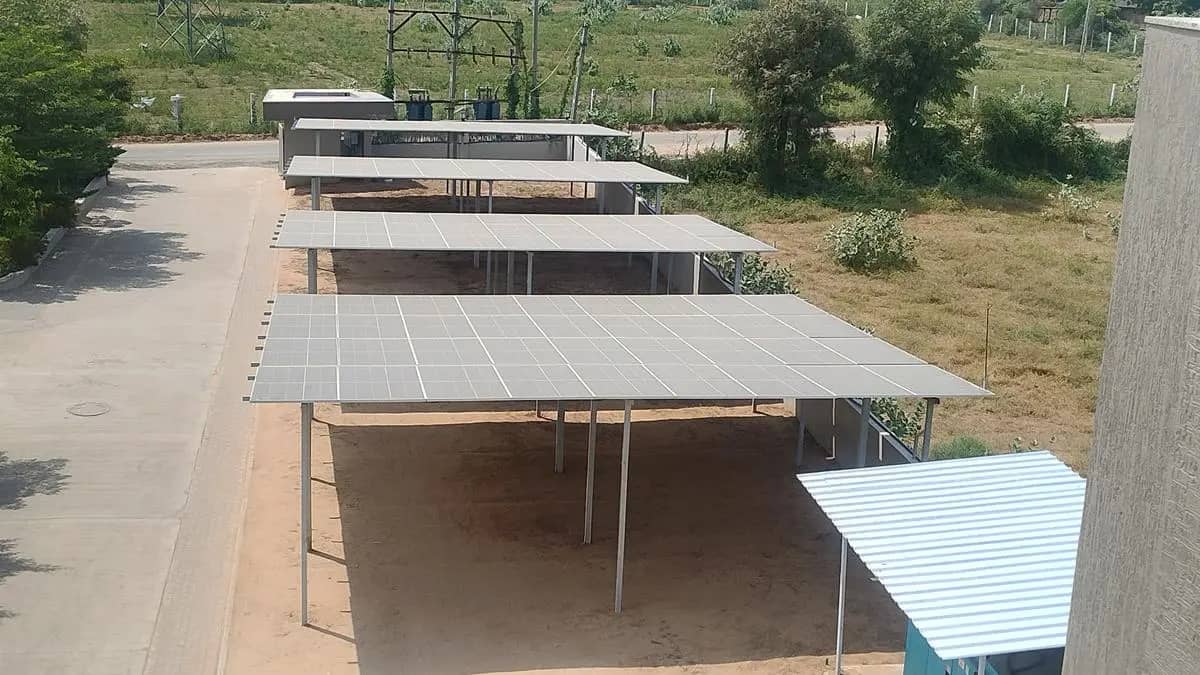
Solar-powered chilling systems are being deployed as an alternative to conventional grid-and-diesel arrangements.
At the Sherpura Dairy Cooperative in Banaskantha, Gujarat, a 62-kW solar system reportedly reduced the cooperative's electricity bill from around ₹1 lakh per month to approximately ₹12,000. The cooperative has more than 500 members and collects around 20,000 litres of milk daily.
Other systems combine solar power with thermal storage. During daylight hours, solar energy operates the compressor and creates stored cooling capacity that can be used during the night or during electricity interruptions.
Solarisation Can Reduce Spoilage
The report cites examples from Gujarat, Assam and Rajasthan where solar-powered chilling has been associated with lower milk spoilage and reduced energy expenditure.
At Umarava Dairy Mandali in Chhota Udepur, the solar system reportedly helped eliminate milk spoilage while saving around ₹12,000–₹15,000 per month in combined energy and fuel costs.
In Assam, the Sanghamitra Mahila Farmer Producer Company, operated by 1,794 women from self-help groups, installed a 10-kW solar system in February 2024. Before solarisation, four major power outages during its first six months of milk collection resulted in the loss of around 480 litres of milk. Monthly energy costs subsequently fell from approximately ₹22,000 to ₹3,000, according to the report.
Renewable Energy Extends Beyond Chilling
Solar applications in dairying are not limited to milk chillers. The technology is also being used for milking machines and solar water heating, which can reduce dependence on diesel and grid electricity.
At the processing level, the National Dairy Development Board (NDDB) has established a solar-powered milk processing plant in Kargil supplying fresh milk to Army units in Siachen, Nubra Valley and Leh.
NDDB has also partnered with the Ernakulam Regional Cooperative Milk Producers' Union for a milk-processing plant in Kochi supported by a 2-MW solar plant.
Earlier Solar Chilling Projects Show Potential
The wider deployment of solar-powered dairy infrastructure is already being tested through projects involving dairy cooperatives and farmer-producer organisations.
WWF-India reports that it has worked with 101 dairy cooperative units and FPOs across Uttar Pradesh, Rajasthan, Gujarat, Karnataka and Maharashtra to install instant solar-powered milk chillers. These projects have developed chilling capacity of around 50,000 litres per day, supported by 851 kW of solar capacity.
A previous WWF-India programme installed 38 solar-powered chillers with a combined capacity of 160 kW across Uttar Pradesh and Rajasthan, providing cooling capacity of around 26,000 litres per day for more than 5,000 dairy farmers.
Scaling Remains the Challenge
Despite these examples, wider adoption faces barriers including high upfront investment, financing limitations and insufficient incentives linked specifically to milk quality.
The challenge is particularly important as India's dairy cooperative network expands. The country's next phase of dairy development will require not only higher milk production but also stronger infrastructure for collection, rapid chilling, refrigerated transportation and processing.
Solar energy cannot by itself solve every cold-chain challenge, but decentralised solar-powered chilling can offer a practical option for locations where grid electricity is unreliable or diesel backup is expensive.
For India's dairy sector, the opportunity is therefore broader than reducing electricity bills. Reliable renewable energy at the collection stage could help protect milk quality, reduce avoidable losses and strengthen the economics of dairy production in remote regions.
Source: Dairynews7x7 1 Oct, 2026 Read full story here
#DairyIndustry #DairyColdChain #SolarDairy #IndianDairy #DairyCooperatives #MilkChilling #DairyNews7x7