Seasonal Milk Supply: 5 Alarming Ways El Niño Is Squeezing India's Dairy Economy

India's seasonal milk supply, long treated as a predictable annual rhythm, is turning into a business risk. Writing in The Hindu BusinessLine, Ravin Saluja, Director of Sterling Agro Industries Ltd, argues that climate shifts linked to El Niño are changing how milk moves through the system, and that the impact is already visible in villages, collection centres and processing plants across the country's key milk belts.
His central point is simple: the flush and lean seasons that dairies once planned around can no longer be taken for granted.
How El Niño Disrupts Seasonal Milk Supply
El Niño brings higher temperatures and irregular rainfall. Green fodder becomes scarce, and the water needs of both cattle and crops rise at the same time. Together, these pressures reduce milk yields.
According to Saluja, the flush period for many major milk producers has been delayed by about one and a half months. The surplus window has become shorter and the lean period longer, and the gap between the two has widened. For a sector that depends on flush-season milk to build stocks of butter, ghee and milk powder, a shorter surplus season means less cushion for the months that follow.
1. Farmers Feel the Shock First
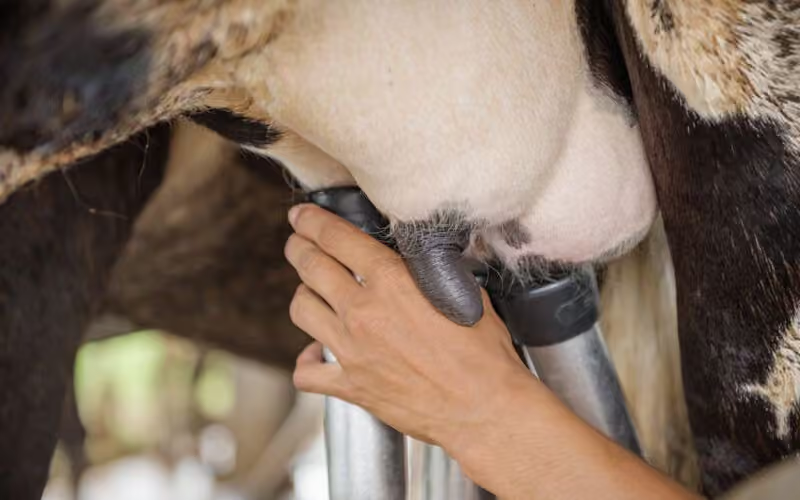
Dairy farmers are the first to notice the change in seasonal milk supply. Many depend on milk sales for regular cash flow, and lower yields over a longer stretch make monthly income unpredictable. Household budgets come under strain, and some farmers are forced to cut back on feed or veterinary care, which can depress yields further.
2. Collection Centres Struggle to Fill Tankers
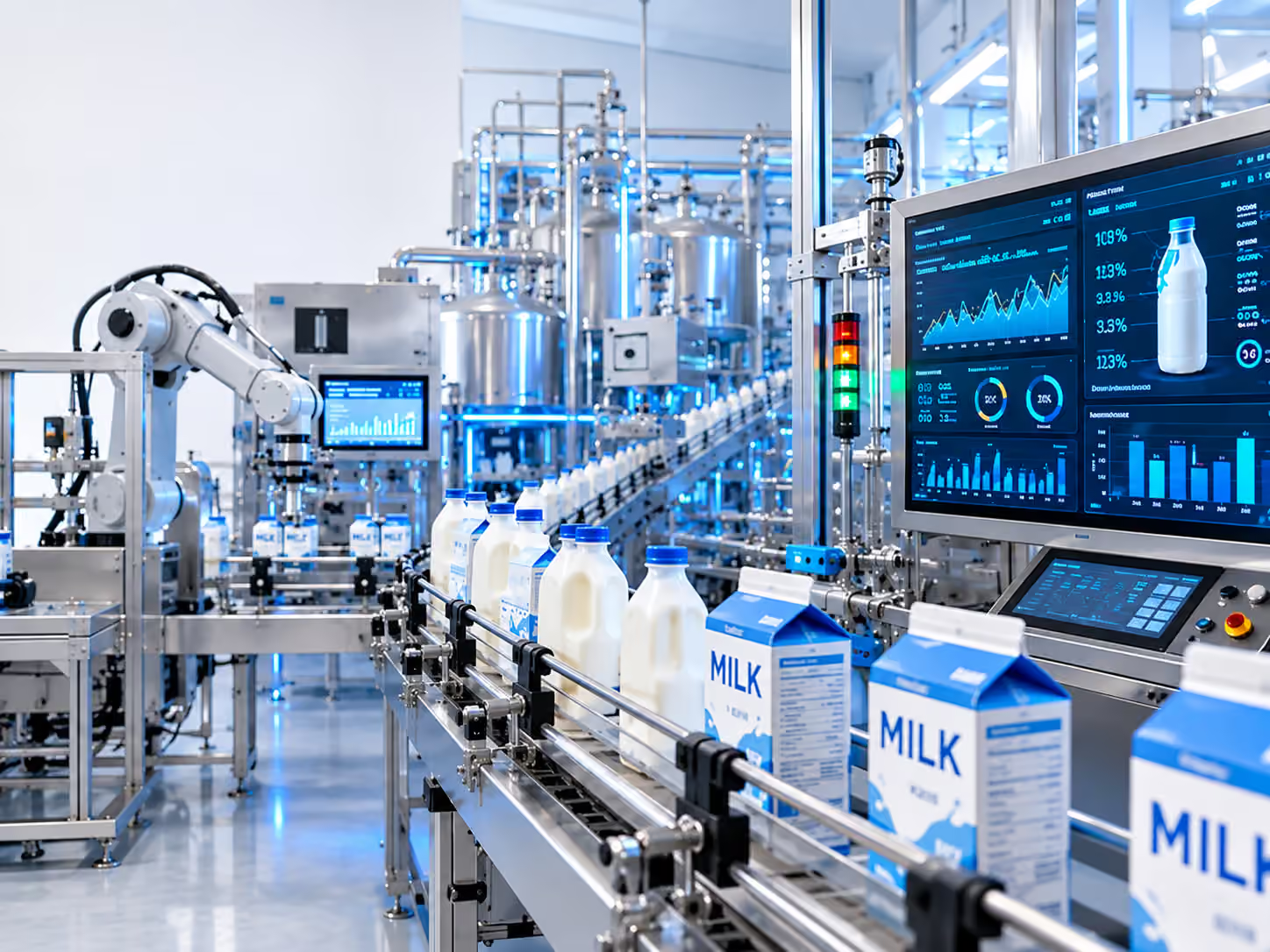
When yields fall and seasonal milk supply tightens, village collection centres find it harder to gather enough milk. Processors, in turn, receive less milk at exactly the time they need it most. The result is a tighter seasonal milk supply across the chain, from farm gate to processing plant.
3. Procurement Costs Keep Climbing
The cost of procuring milk has been rising steadily, adding to seasonal milk supply pressure. Feed prices are higher, and labour and logistics costs have also increased. Dairies are paying more to buy roughly the same quantity of milk, and those higher costs flow downstream to every other player in the industry, from distributors to retailers and sweet makers.
4. Festive Demand Outruns Supply
The pressure becomes most acute during festivals. Demand for milk, ghee, paneer and sweets jumps during Navratri and Diwali as families prepare traditional recipes. Seasonal milk supply rarely keeps pace. Saluja notes that in some markets, available milk has not even reached 70% of requirement during peak demand.
Shortages develop quickly and prices start to rise. Consumers feel it when they buy festive ingredients, and the industry feels it when it struggles to keep shelves stocked. Recent price revisions for ghee and butter by major cooperatives show how quickly tight seasonal milk supply can reach the consumer.
5. The Old Planning Model No Longer Works
The traditional approach of treating milk availability as a fixed yearly pattern no longer holds. Weather is less predictable, costs are rising and festive demand remains high and concentrated. Planning for seasonal milk supply now has to account for volatility rather than averages.
What Needs to Change
Saluja calls for better planning at every level of the chain:
- Farmers need accurate weather forecasts and help finding alternative feed sources for their livestock during dry spells.
- Processors need better demand and supply forecasting and more flexible raw-material sourcing channels.
- Infrastructure investment in cold chains and storage would help bridge the lean season by carrying flush-season milk solids forward.
- Farm-level resilience, including fodder banks, water management and heat-stress measures, will become more important every year.
From Volume to Resilience
India became the world's largest milk producer through decades of strategic vision and cooperative effort. The challenge now is different. As Saluja puts it, the task is no longer only to raise milk volumes but to cope with variability, building mechanisms that let the dairy industry absorb weather shocks without disrupting supplies to consumers.
The concern is backed by official projections. The US Department of Agriculture expects India's milk output growth to slow to about 2.5% in 2026 and 2% in 2027, citing tighter feed and fodder supplies linked to El Niño-induced drought in key producing states. Our earlier report on how drought may slow India's milk production growth explores those numbers, and food inflation pressures show how dairy costs are feeding into household budgets.
Why Seasonal Milk Supply Matters for the Industry
For processors, a less reliable seasonal milk supply complicates everything from capacity planning to product mix. Plants sized for flush-season peaks may run below capacity for longer, while lean-season shortages push up procurement prices and squeeze margins. Companies with diversified sourcing, strong farmer relationships and adequate storage will be better placed to manage the swings.
For policymakers, the shift strengthens the case for fodder security programmes, climate-resilient breeds and better weather advisories for livestock farmers. Without these, El Niño years could become recurring stress tests for one of rural India's most important income sources.
The key takeaway: Seasonal milk supply is no longer a predictable cycle but a recurring risk. Dairies that plan for volatility rather than averages will be best placed to protect both farmers and consumers.
Read the full article on The Hindu BusinessLine.
Source: The Hindu BusinessLine | DairyNews7x7
Never miss an important dairy update
Follow DairyNews7x7 on Google to get live milk prices, policy alerts, and daily headlines directly in your feed.