Maharashtra Dairies Consider Fresh Milk Price Hike From November 15 Amid Rising Costs

Maharashtra's dairy industry is considering another milk price increase from November 15, 2026, as rising procurement and operating costs continue to put pressure on dairy businesses.
The proposed revision could affect consumers across the state, although the exact increase and the dairies planning to implement it have not yet been disclosed.
The development comes just three months after major cooperative and private dairies in Maharashtra approved a ₹2-per-litre increase in cow and buffalo milk prices in August 2026.
With dairy businesses continuing to face cost pressures, the latest discussions highlight the challenge of maintaining affordable milk prices while ensuring remunerative returns for producers.
Another Milk Price Revision Under Consideration
According to a November 13 report by The Times of India, dairies in Maharashtra are considering increasing milk prices from November 15.
However, the report does not specify the proposed increase per litre or identify which cooperative and private dairy brands will implement the revision.
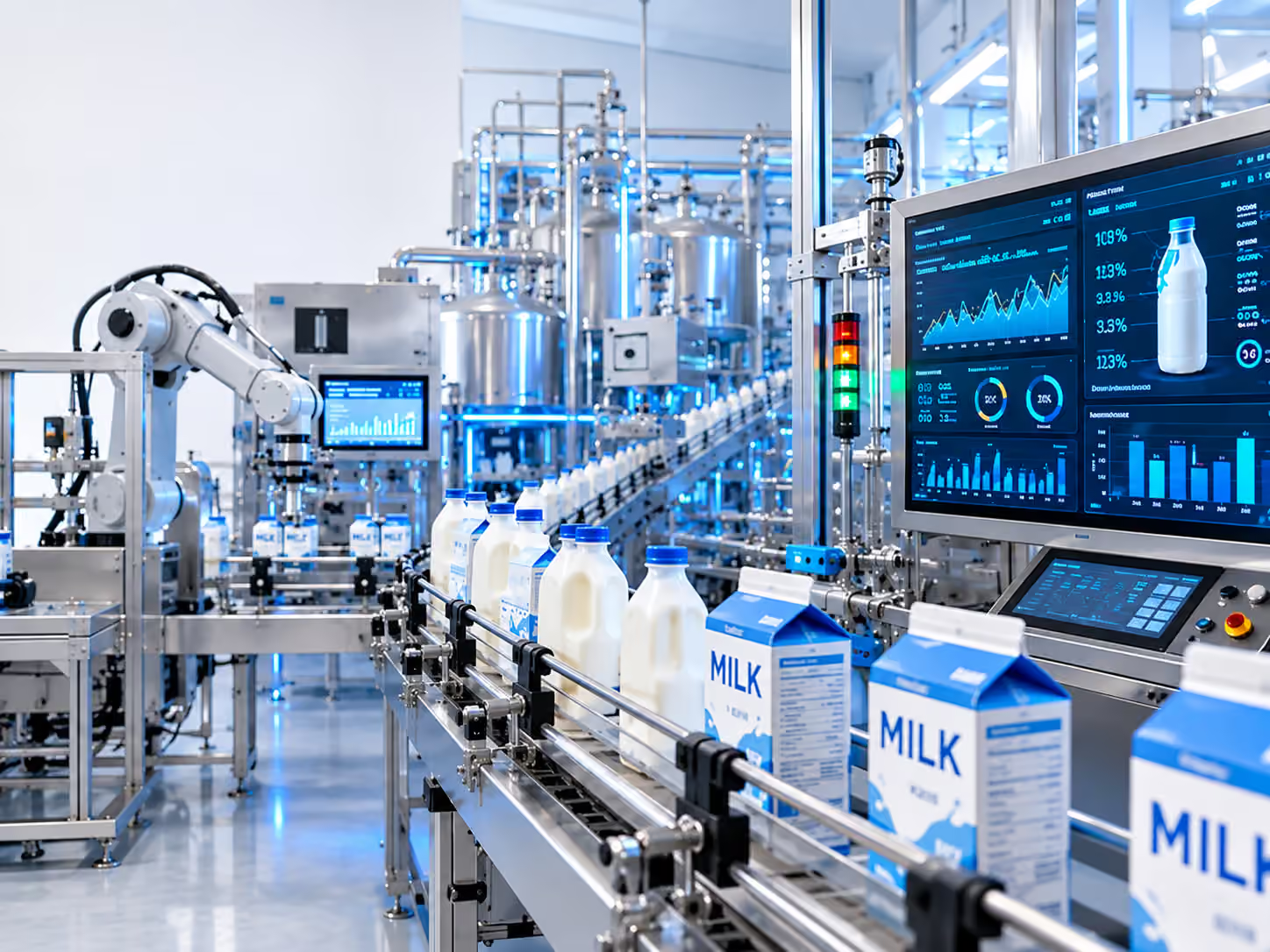
The potential adjustment comes amid broader concerns over milk procurement expenses and the operating costs associated with collection, processing, packaging and distribution.
For dairy processors, passing on at least part of these additional expenses through retail prices can help protect operating margins and maintain procurement payments to farmers.
Gokul Considers Price Increase to Address ₹24 Crore Losses
The pricing discussion comes at a particularly important time for the Kolhapur District Cooperative Milk Producers' Union, popularly known as Gokul.
Newly elected chairman Rajesh Patil has indicated that increasing milk prices may be necessary to address losses of approximately ₹24 crore incurred during the six months when the cooperative was under an administrator.
Patil said the extent of any proposed increase would be decided by the board of directors.
He has also indicated that Gokul would avoid a steep price increase and aim to maintain competitive prices for consumers while improving procurement returns for dairy farmers.
The cooperative's first board meeting under his chairmanship is scheduled for November 14, when the performance of its departments is also expected to be reviewed.
Gokul is one of Maharashtra's largest dairy cooperatives, with more than 5.5 lakh associated dairy farmers and daily milk procurement exceeding 20 lakh litres.
The cooperative has also set a target of increasing milk procurement to more than 25 lakh litres per day over the next five years.
August Price Hike Had Already Increased Consumer Costs
The latest discussions follow the ₹2-per-litre price increase implemented by major cooperative and private dairies in Maharashtra from August 11, 2026.
The decision was taken by the Milk Producers and Processors Welfare Association after a meeting involving representatives of the dairy industry.
The revision covered cow and buffalo milk, while prices of several dairy products were also expected to increase by approximately 8–10%.
At the time, industry representatives cited higher diesel expenses, packaging costs and increased milk procurement prices as important reasons behind the revision.
Gokul, Katraj and Chitale were among the dairy businesses involved in the August pricing changes.
The possibility of another increase within a few months indicates that the industry's cost pressures remain a significant concern.
Rising Input Costs Continue to Challenge Dairy Economics
Milk production and processing involve several interconnected cost components.
The key expenses affecting dairy businesses include:
- Milk procurement: Higher payments to farmers increase the cost of raw milk.
- Cattle feed and fodder: Rising feed expenses affect farm-level milk production economics.
- Transportation: Fuel costs influence milk collection, chilling and distribution.
- Packaging: Higher packaging material prices increase processing expenses.
- Processing and operations: Energy, labour and plant maintenance add to overall manufacturing costs.
These pressures affect both cooperative and private dairy businesses, although their ability to absorb additional expenses depends on procurement arrangements, product mix and operating efficiency.
The challenge is particularly significant for liquid milk businesses, where consumer price sensitivity limits the scope for frequent retail price increases.
Amul and Mother Dairy Also Revise Prices in November
The Maharashtra pricing discussions are taking place alongside fresh price increases announced by major dairy brands elsewhere in India.
Amul announced a 4–5% increase in fresh pouch milk prices across major variants and pack sizes, effective November 12, 2026.
Mother Dairy also increased its liquid milk prices by ₹2–₹4 per litre in Delhi-NCR from the same date.
The companies cited higher milk procurement and input costs, including fodder, cattle feed, packaging and transportation.
These developments demonstrate that cost-related pricing pressure is not limited to Maharashtra, although the November 15 proposal in Maharashtra remains a separate decision.
Impact on Dairy Farmers and Consumers
A further milk price increase could have implications across the dairy supply chain.
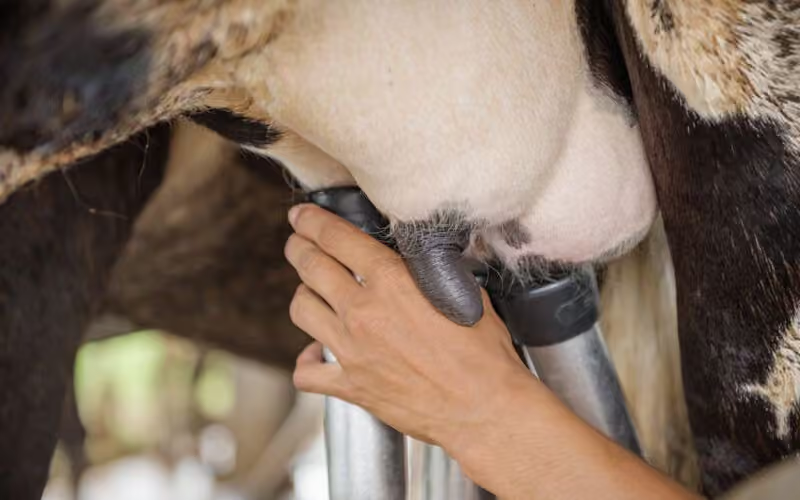
For dairy farmers, higher retail realisation may create room for cooperatives and private processors to improve procurement prices.
For consumers, repeated price increases could raise household expenditure, particularly among families that depend on milk as a daily essential.
For dairy companies, the challenge is to balance consumer affordability with sustainable procurement payments and operating margins.
The extent to which a retail price increase benefits farmers will depend on how additional revenue is distributed across the supply chain.
Conclusion: Maharashtra's Dairy Industry Faces Another Pricing Decision
The possibility of a fresh milk price increase from November 15 reflects the continuing financial challenges faced by Maharashtra's dairy industry.
Gokul's reported losses and the cooperative's consideration of a separate price revision underline the importance of financial sustainability alongside farmer welfare.
However, the final outcome will depend on decisions taken by individual dairy businesses and their management teams.
The central challenge for Maharashtra's dairy sector is to protect farmer incomes and dairy business sustainability without placing excessive pressure on consumers who rely on milk as an everyday necessity.
#MilkPriceHike #MaharashtraDairy #DairyIndustry
Source: Read full story here 13 Nov, 2026 Edited and Reported by
Never miss an important dairy update
Follow DairyNews7x7 on Google to get live milk prices, policy alerts, and daily headlines directly in your feed.