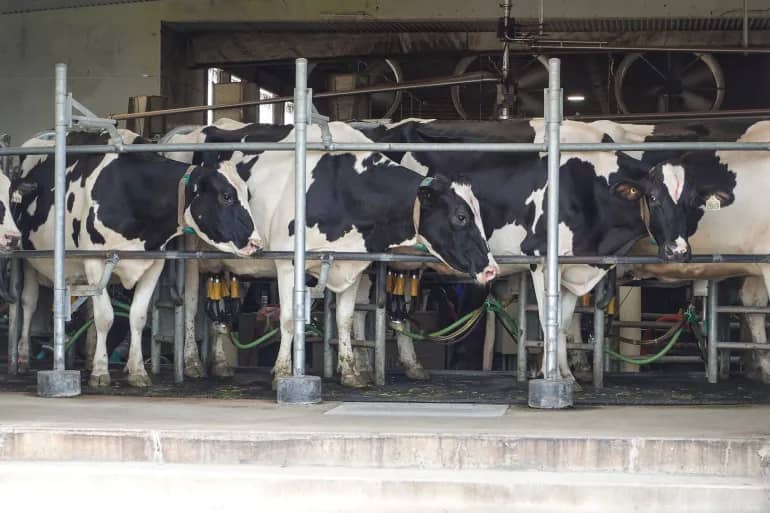
A new survey from the Physicians Committee for Responsible Medicine (PCRM) says only 20% of U.S. men are aware of a reported link between dairy consumption and prostate cancer risk—putting dairy’s health positioning back under the spotlight ahead of Prostate Cancer Awareness Month in September. The survey, conducted by Morning Consult among 1,102 U.S. men, also found that only 20% had received information from a healthcare professional about nutrition and prostate-cancer risk.
According to PCRM, 66% of respondents said they would be likely to avoid dairy products after learning about the reported risk, while 76% supported warning labels on dairy products informing consumers about prostate-cancer risk. PCRM bases its position on research including a meta-analysis of 32 studies examining dairy intake and prostate cancer.
The organisation cited individual studies reporting different levels of association: one found that men consuming at least one serving of skim or low-fat milk daily had a 19% higher prostate-cancer risk than men who rarely consumed it, while another study of 3,612 men reported that those consuming around three servings of low-fat dairy daily were more than twice as likely to develop prostate cancer as those consuming less than one serving.
PCRM also cited a meta-analysis covering 11 studies and more than 700,000 participants, which it says found that men consuming the highest amounts of whole milk had up to a 50% higher risk of death from prostate cancer compared with those consuming the least. It further highlighted research reporting a 35% lower prostate-cancer risk among men following a vegan diet and a study of more than 2,000 men with prostate cancer that found those consuming the most plant-based foods had 56% lower risk of progression and 59% lower risk of recurrence than those consuming the least. (PCRM)
For the dairy industry, the development is significant because it shows how nutrition research, consumer perception and health messaging can influence dairy consumption. However, the findings cited in the PCRM release are associations from observational research and should not be interpreted as proving that dairy consumption directly causes prostate cancer; consumers should discuss individual dietary and health concerns with qualified healthcare professionals.
Source: Dairynews7x7 29 Aug, 2026 Read full story here
#DairyIndustry #DairyNutrition #ProstateCancer #MilkConsumption #NutritionResearch #FoodHealth #DairyNews7x7