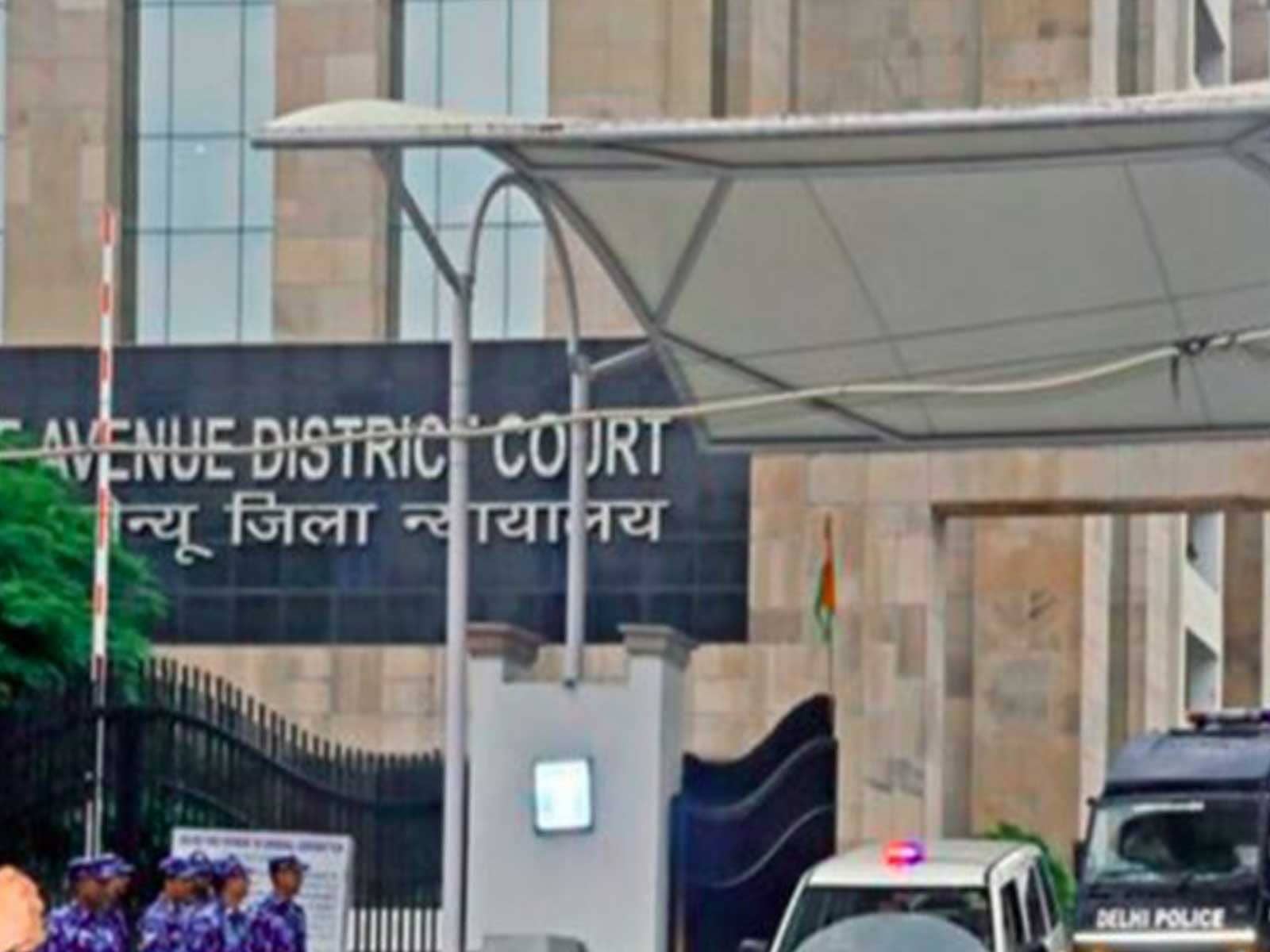
The Rouse Avenue Court has acquitted Sanjay Sharma, a Mother Dairy official, in a corruption case involving an alleged demand for a ₹60,000 bribe from a milk distributor, after finding that the Central Bureau of Investigation (CBI) had not complied with several requirements of its Crime Manual during the investigation.
Special CBI Judge Vijeta Singh Rawat, in an order dated September 22, gave Sharma the benefit of doubt and held that the prosecution had failed to establish the case against him beyond reasonable doubt. He was acquitted of the offence under Section 7 of the Prevention of Corruption Act, 1988.
The case originated from a complaint submitted on December 27, 2024, by Firoz Malik, a milk distributor for Mother Dairy Fruit & Vegetable Pvt. Ltd. Malik alleged that Sharma, who was serving as the Zonal In-charge of Mother Dairy, demanded ₹60,000 from the sale proceeds of additional milk packets supplied under a milk scheme that began on December 1, 2024.
According to the complaint, Malik alleged that the payment was demanded on the condition that failure to comply could result in cancellation of his distributorship.
The defence disputed the allegations and argued that the complainant had a grievance against Sharma following the transfer of his predecessor, Asfaq Ahmed, who had served in the zone for around 10 years. The defence also submitted that Sharma had taken action against the complainant's sale of Amul milk and had pressured him to increase sales of Mother Dairy milk.
It was further submitted that another distributor had been appointed in the same operating area on Sharma's recommendation, resulting, according to the defence, in the complainant losing additional income of around ₹20,000 per month from a milk transporter named Satbir.
The court's decision focused substantially on procedural shortcomings identified in the CBI investigation. The judgment referred specifically to Rules 9.9, 9.17, 9.21, 11.15 and 12.25 of the CBI Crime Manual and found that relevant requirements had not been followed.
Among the issues noted by the court was that the investigating officer did not record the Superintendent of Police's order assigning the investigation. The officer also did not record the registration numbers of vehicles and details of their drivers used during the verification and trap proceedings, or the language used by the complainant.
The court also referred to Rule 6.12 of the CBI (Crime) Manual, 2020, under which the Head of Branch is required to seek permission from the competent authority for registration of complaints found fit for verification. Such complaints are also required to receive a registered complaint number and be entered in the relevant CRIMES module.
In this case, the court noted that the complaint did not carry the Superintendent of Police's endorsement marking it for verification and did not have a registered complaint number. The court said these circumstances supported the defence contention that the possibility of manipulation of evidence could not be ruled out.
The acquittal therefore followed the court's finding that the prosecution had not proved the alleged offence beyond reasonable doubt. The judgment did not establish the bribery allegation as a proven offence against Sharma.
The case highlights the importance of following prescribed investigative procedures in corruption cases, particularly where verification and trap proceedings form the basis of the prosecution's evidence.
Source: Dairynews7x7 27 Sep, 2026 Read Full Story Here
#DairyIndustry #MotherDairy #FoodIndustry #DairyNews #CBI #FoodBusiness #DairyNews7x7