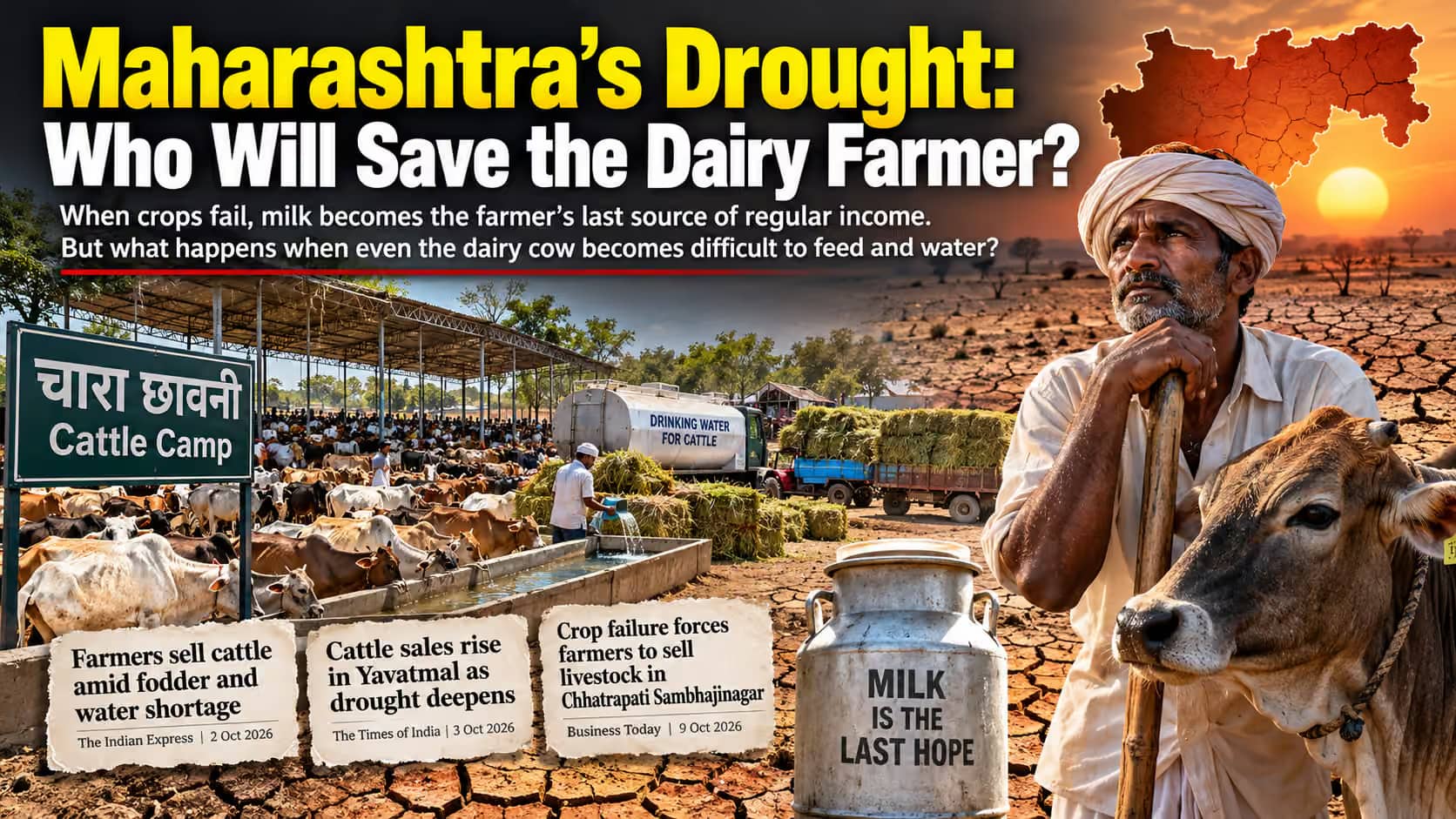
Climate Change Costs India's Dairy Sector ₹2,661 Crore Annually in Milk Losses
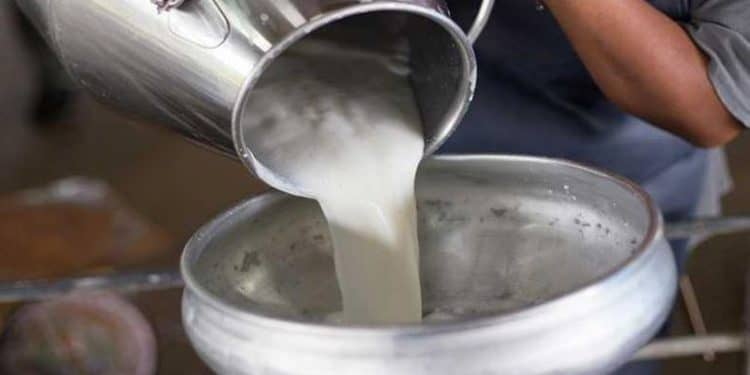
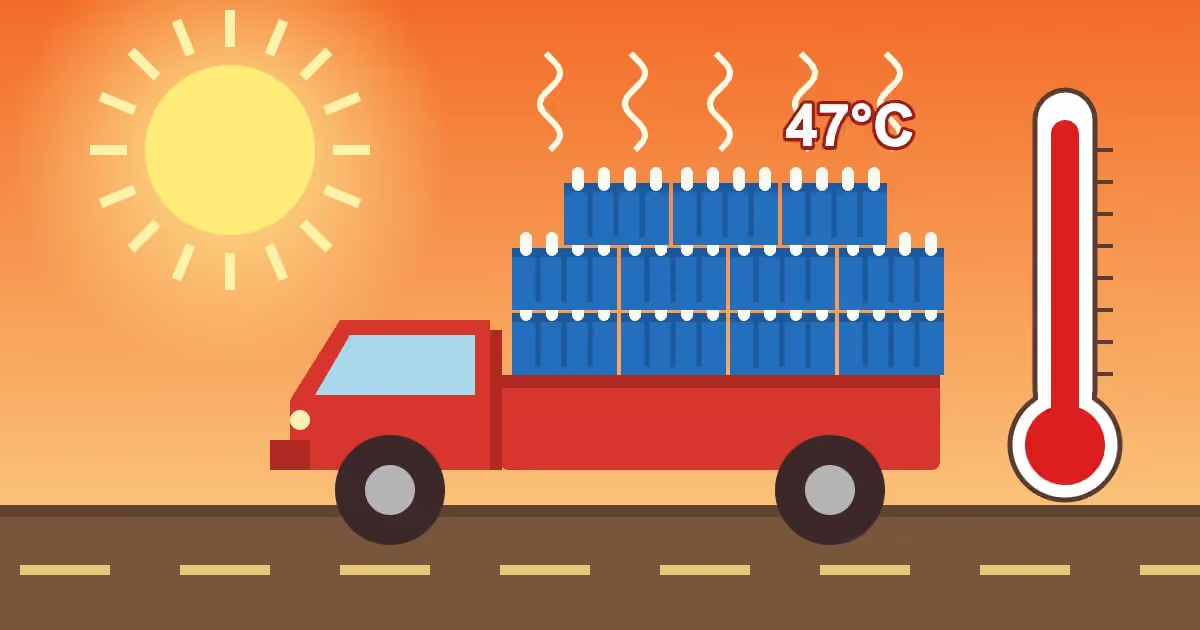
India's dairy industry is losing approximately ₹2,661 crore worth of milk production every year due to heat stress. The estimated loss of 1.8 million tonnes annually—around 2% of national milk output—underscores how climate change is becoming a direct productivity and economic challenge for dairy farmers.
The findings were highlighted in Climate Trends' report, From Risk to Resilience: Climate Change, Ecology and the Future of Indian Agriculture, released in November 2026.
Heat Stress: A Major Threat to Milk Productivity
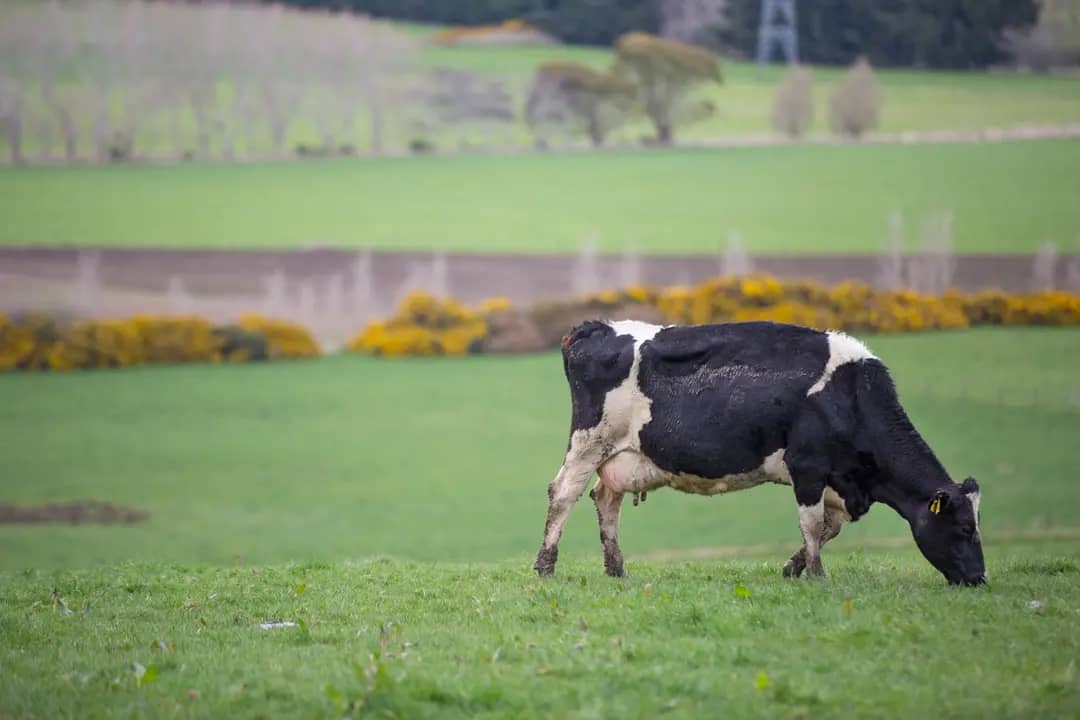
Heat stress affects dairy animals through reduced feed intake, physiological stress and lower productive performance.
The estimated annual milk loss of 1.8 million tonnes represents a significant economic impact for a country that is the world's largest milk producer.
The financial burden extends beyond reduced milk output, potentially affecting farmer incomes, milk procurement volumes and the efficiency of dairy supply chains.
Climate Risks Extend Beyond Dairy Production
The Climate Trends report identifies wider environmental pressures affecting India's food and agricultural systems:
- 40% of India's livestock population is vulnerable to extreme weather events.
- 45% of crop-producing land lies in areas exposed to significant flood risk.
- A 1°C increase in temperature over the past five decades has been associated with approximately 8% lower national average yields across crops.
These risks have implications for dairy because livestock production depends heavily on crop-based feed, fodder availability, water resources and stable agricultural supply chains.
Feed, Fodder and Water: The Dairy Climate Connection
Climate change can affect dairy productivity through multiple interconnected pathways.
Rising temperatures and irregular rainfall can reduce fodder availability and quality, increase water stress and raise livestock maintenance requirements. These pressures can affect milk yield, animal health, fertility and production costs.
The Council on Energy, Environment and Water (CEEW), in its 2026 dairy-sector study, also highlights the growing importance of climate resilience, fodder security and locally tailored adaptation measures.
Its survey found that approximately half of cattle rearers reported climate-related impacts on their animals, with particularly high shares among buffalo and crossbred cattle rearers.
Climate Resilience Could Become a Dairy Competitiveness Strategy
The report calls for a transition towards more resilient agricultural systems, supported by:
- Restoration of soil health and conservation of water resources.
- Diversification of cropping systems and reduced dependence on chemical inputs.
- Stronger climate-risk management and agricultural extension services.
- Accessible adaptation finance for smallholders.
- Greater adoption of climate-smart agricultural practices.
For dairy businesses, these measures can complement investments in heat mitigation, animal nutrition, resilient fodder systems and improved farm infrastructure.
What This Means for India's Dairy Industry
The ₹2,661 crore annual loss highlights three strategic priorities:
- Farm-level productivity: Heat mitigation and better animal management can help protect milk yields.
- Supply-chain resilience: Dairy cooperatives and processors need to account for climate-related fluctuations in milk availability.
- Farmer economics: Climate adaptation is increasingly essential to protecting rural incomes and sustaining dairy production.
The bigger takeaway: Climate resilience is no longer just an environmental responsibility for India's dairy sector. It is becoming a business imperative—directly linked to milk productivity, farmer profitability and long-term supply security.
Source: Read full story here 05 Nov, 2026 Edited and Reported by
#IndianDairy #ClimateChange #DairyIndustry #HeatStress #ClimateResilience
Never miss an important dairy update
Follow DairyNews7x7 on Google to get live milk prices, policy alerts, and daily headlines directly in your feed.