Hassan Milk Union Warns of ₹8.5 Crore Monthly Loss Amid Price Revision

Hassan Milk Union (HAMUL) has warned that Karnataka's proposed milk and curd price revision could result in a monthly financial loss of ₹8.5 crore, raising concerns over cooperative profitability, consumer affordability and market competitiveness.
HAMUL president and MLA H.D. Revanna has opposed the proposed increase, arguing that higher retail prices could reduce demand for Nandini products and weaken the cooperative's market position.
Hassan Milk Union Raises Concerns Over Price Revision
Revanna questioned how the union would manage the projected losses if the proposed revision proceeds.
HAMUL operates across Hassan, Chikkamagaluru and Kodagu districts, making the pricing decision relevant to consumers, dairy farmers and cooperative businesses across the region.
The union has highlighted the risk that higher consumer prices could encourage customers to shift towards competing dairy brands.
Consumer Affordability and Competition Under Pressure
Revanna warned that a sudden increase of ₹8–₹12 per litre could affect consumer purchasing behaviour and Nandini's market share.
He also compared Nandini's pricing with competing products, citing:
- Amul UHT milk at approximately ₹70 per litre against Nandini milk at ₹72.
- Amul ghee at approximately ₹720 per kg against Nandini ghee at ₹860 per kg.
The comparison highlights the competitive pressure facing cooperative dairy brands as they attempt to balance higher procurement costs with consumer affordability.
Milk Procurement and Value-Added Processing
HAMUL reportedly collects substantial quantities of milk daily, with approximately five lakh litres utilised for dairy product manufacturing.
Revanna's concerns suggest that the union's financial exposure extends beyond liquid milk sales to its wider processing and product portfolio.
If higher prices reduce consumer demand, cooperatives may face additional challenges in managing milk utilisation, processing costs and product sales.
Karnataka's ₹8 Milk Price Revision: Farmers vs Cooperatives
The Karnataka Cabinet approved an ₹8-per-litre milk procurement price increase effective November 1, 2026.
Under the approved arrangement:
- ₹7 per litre goes directly to dairy farmers.
- ₹1 per litre is allocated to milk unions for operational expenses.
- The procurement price increases from ₹35 to ₹42 per litre.
- Including the existing ₹5 government incentive, farmers effectively receive ₹47 per litre.
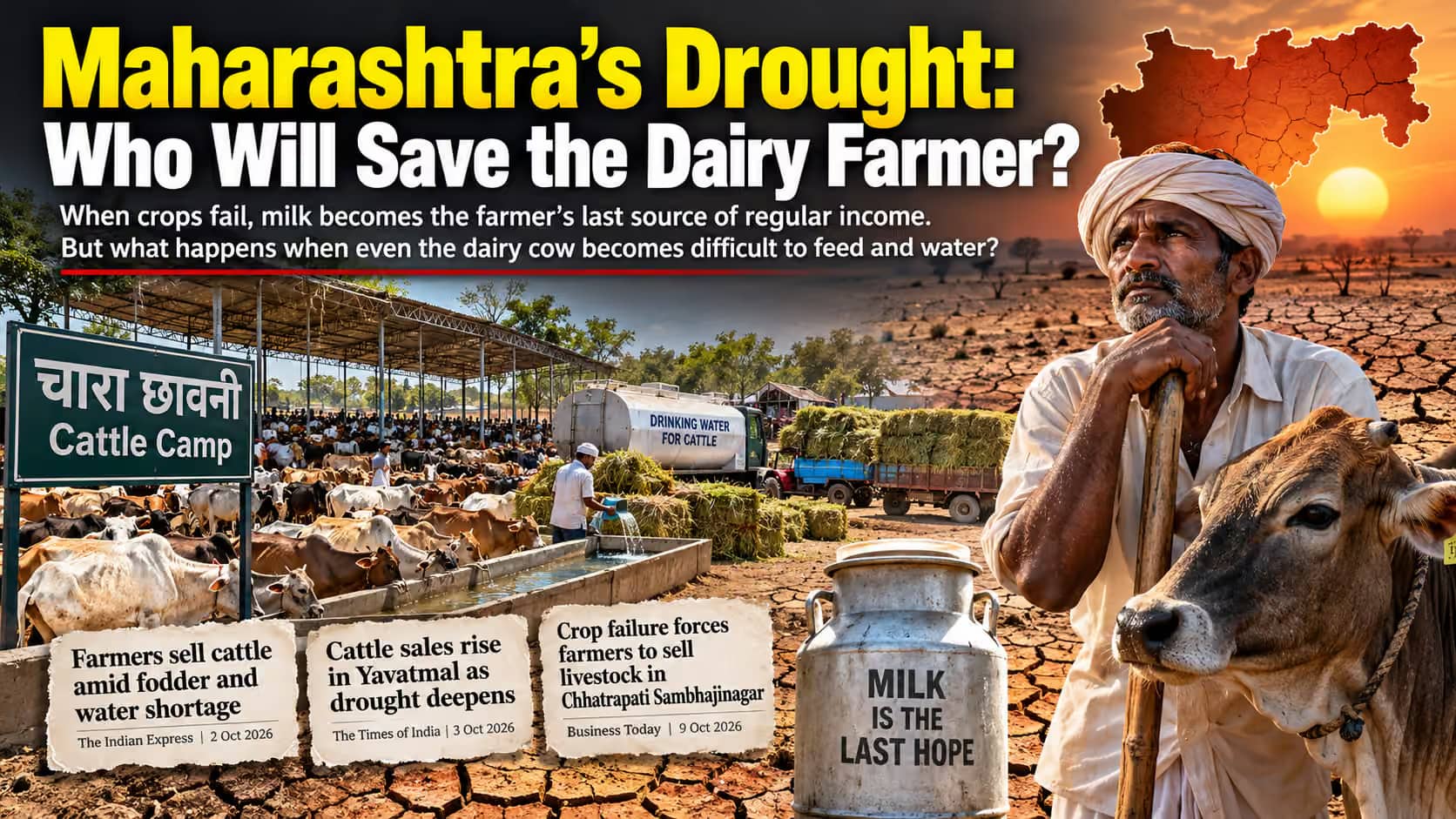
The decision was taken amid drought conditions, rising cattle-feed and fodder costs, and declining milk procurement. However, the allocation has also intensified discussions about whether cooperative unions are receiving sufficient financial support to manage their operational expenses.
A Wider Financial Challenge for Karnataka's Dairy Cooperatives
HAMUL's warning reflects a broader financial imbalance within Karnataka's cooperative dairy network.
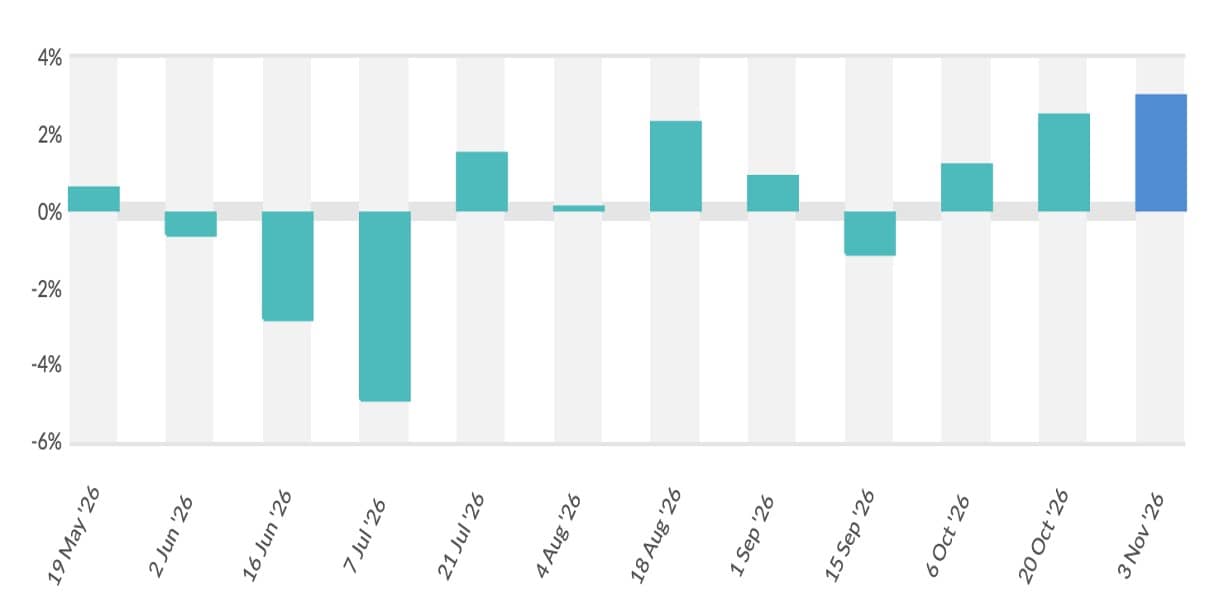
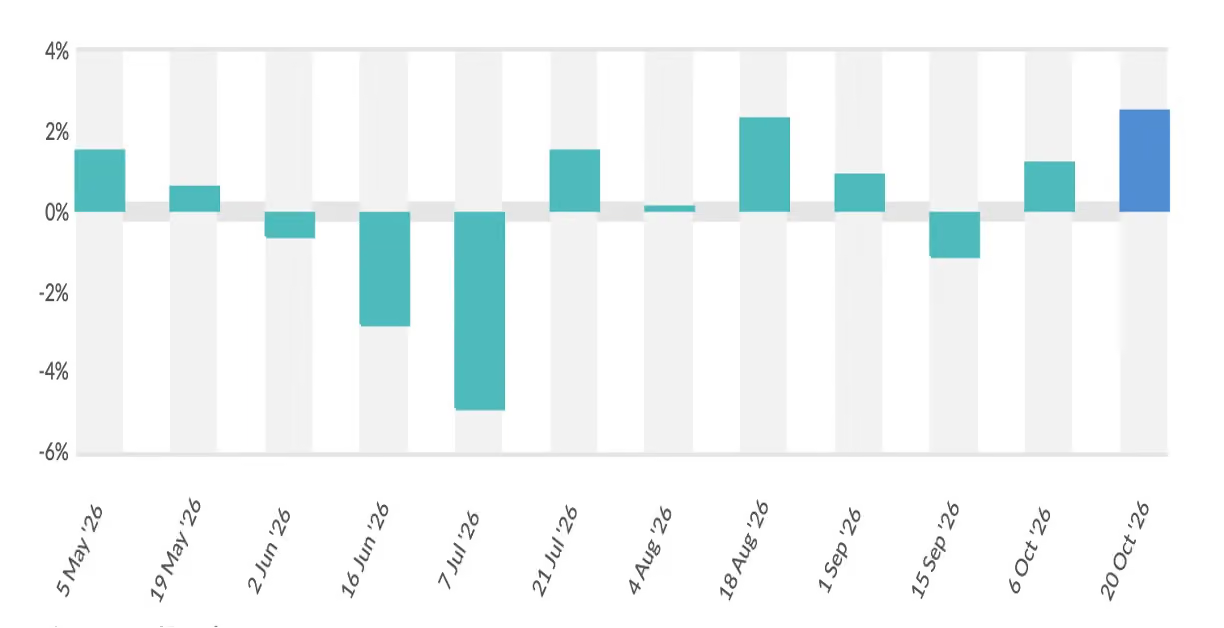
Earlier financial data showed that 11 of the state's 16 milk unions recorded profits during April–July 2026, while five reported losses. The performance varied considerably between unions, demonstrating that higher procurement prices and operating expenses affect cooperatives differently.
What This Means for India's Dairy Industry
The Hassan Milk Union's warning highlights four important industry issues:
- Cooperative profitability: Higher procurement prices must be supported by sustainable union-level economics.
- Consumer price sensitivity: Retail price increases can influence brand switching and consumption.
- Market competition: Cooperatives face increasing pressure from private dairy brands and national competitors.
- Pricing policy: Milk pricing requires a balance between producer remuneration, union operating costs and consumer affordability.
The bigger takeaway: Karnataka's dairy pricing debate demonstrates that increasing farmer payments alone cannot guarantee a financially sustainable cooperative system. The long-term challenge is ensuring that milk producers, unions and consumers all remain economically viable.
Source: Read full story here 05 Nov, 2026 Edited and Reported by
#KarnatakaDairy #Nandini #IndianDairy #DairyIndustry #MilkPrices
Never miss an important dairy update
Follow DairyNews7x7 on Google to get live milk prices, policy alerts, and daily headlines directly in your feed.