Tukaram Mundhe has never been an easy man to ignore. Across a 21-year career and 25 transfers, the 2005-batch IAS officer has built a reputation — in Solapur, in Nashik, and now at the helm of Maharashtra's Food and Drug Administration — as someone who enforces rules without exception and without regard for whose interests they inconvenience. His framing of the issue is worth repeating in his own words: milk, he has said, is not merely a food product but a nutritional foundation for millions of children, mothers, patients and the elderly, and adulterating it amounts to playing with public health. That conviction, and the courage to act on it, deserves genuine respect. Since he took charge of the FDA in May 2026, the department has moved with an intensity and consistency that Maharashtra's food safety ecosystem has rarely seen, and the credit for that energy belongs to him and his team.
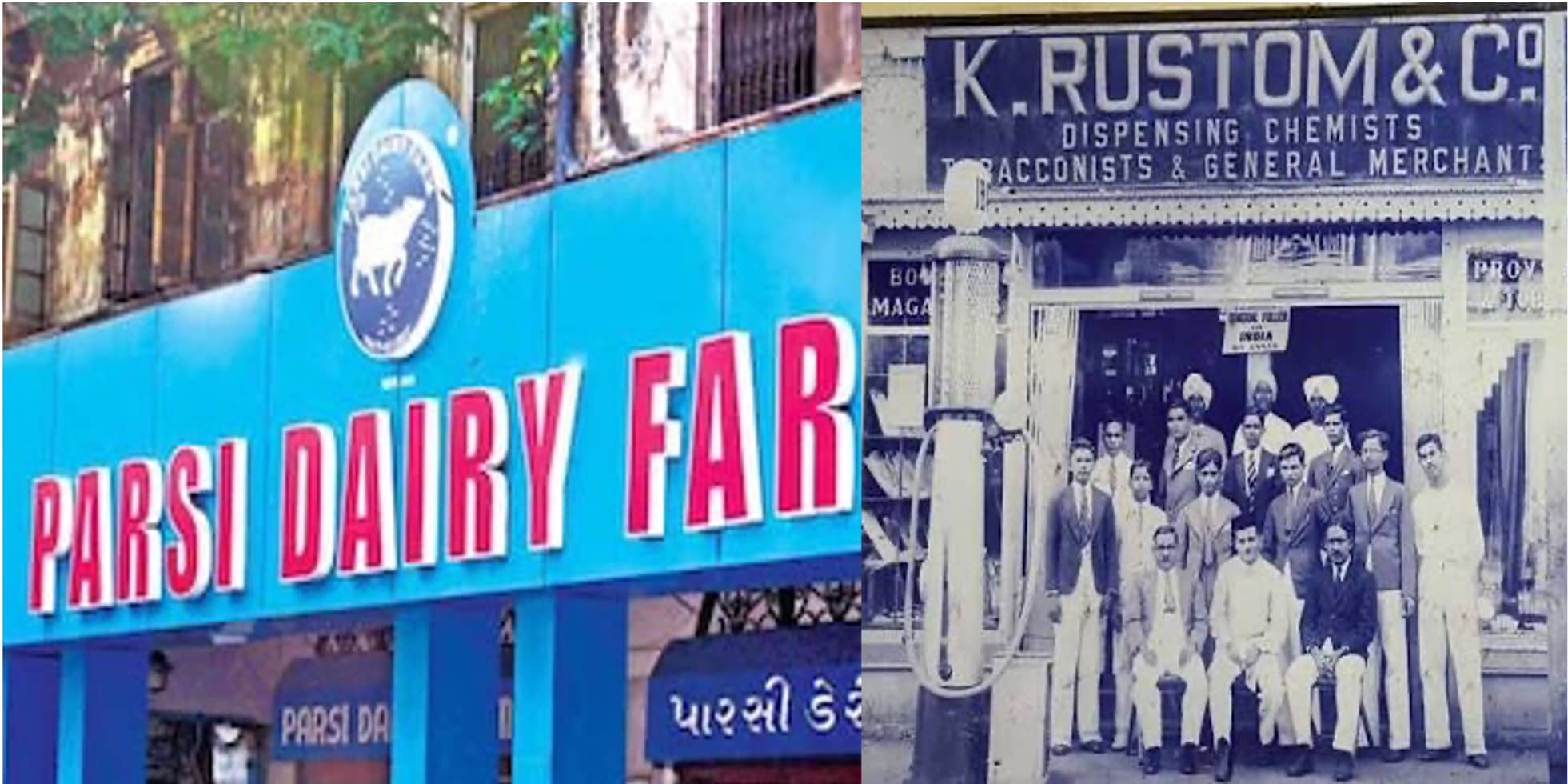
A little over a week ago, that energy produced news that would have been unthinkable a generation ago: Parsi Dairy Farm, a name that has fed south Mumbai's households since 1916, had its licence suspended. In the same statewide drive, K. Rustom's, Shalimar, Noor Mohammadi Hotel and several other long-standing establishments found themselves named alongside adulteration and hygiene violations, as products worth nearly ₹1.90 crore were seized across the state in two days. For an industry — and a readership — that has grown up trusting these names, this is not a small story. It may well be the defining food-safety story of 2026 for India's dairy sector.
Nothing in this piece disputes that hygiene lapses are hygiene lapses, wherever they are found and however old the establishment. Incomplete medical records for food handlers, inadequate protective gear, missing "best before" information — these are documented findings, and no legacy or brand equity should shield anyone from correcting them. Maharashtra's FDA, through its "Safe Food, Safe Maharashtra" campaign, deserves genuine credit for treating enforcement as a continuous exercise rather than an occasional headline.
Read this also : Trust, Not Transfers: Why India's Food Safety System Needs a Faceless Sampling Model
But an individual officer's energy, however genuine, is not the same thing as an institution's design. Commissioner Mundhe's own career — 25 transfers in 21 years — is itself a reminder of a point this column has made before: the intensity of enforcement in India tends to travel with the individual, not with the office. Precisely because this present drive is being led so capably, it is worth asking a second, equally important question — not in place of appreciation for the work under way, but alongside it, so that its gains outlast any one posting.
Two Failures, Not One
Food safety governance rests on three stakeholders, not one. The Food Business Operator is accountable for compliance. The consumer is entitled to safe food and factual communication. And the regulator — the third, quieter stakeholder — is accountable for prevention, guidance, consistency and fair enforcement. Public discourse around every raid tends to examine only the first of these three in any depth.
The more powerful question, and the one this piece wants to raise, is this: if a legacy food brand fails today, is it only the company's failure — or is it also evidence that the regulatory ecosystem failed to detect and correct the problem much earlier?
A hundred-year-old dairy does not operate on trust alone. It operates under a licence that is renewed, inspected and re-verified year after year by the very department now conducting the raid. If the violations uncovered last week were serious enough to warrant an immediate suspension, it is worth asking, calmly and constructively: were these risks building up gradually, visible to anyone looking closely? Were the inspections that preceded this moment primarily documentation checks rather than genuine system-level audits? Does Maharashtra's — and indeed India's — inspection model need modernising, with digital monitoring and objective scoring replacing paper-based renewal? And should every licensing authority be expected to publish an annual compliance scorecard for the units under its watch, so that the public can see improvement trends over time rather than only the moment of failure?
These are not accusations. They are the questions a mature regulatory culture should be comfortable asking of itself, in the same spirit with which it asks compliance questions of every FBO.
Enforcement Without Improvement Is Incomplete
A regulator carries four responsibilities: to prevent, to educate, to enforce, and to improve. Public conversation today, understandably, concentrates almost entirely on the third. A truly mature food safety system would invest just as visibly in the other three — in training programmes for small and medium food businesses, in building a genuine food safety culture rather than a compliance-on-paper culture, in preventive audits that catch problems long before they become raid-worthy, and in structured support that helps repeat offenders become compliant rather than simply cataloguing their repeated failures.
India already has a working template for this in another high-stakes regulated sector. Aviation safety regulation does not stop at announcing an incident. Every event is followed by an investigation, a root-cause analysis, revised standard operating procedures, industry-wide advisories, and a verified follow-up before confidence is considered restored. Food safety could benefit enormously from borrowing this discipline. A raid should not be the final chapter of the story — it should be the opening one, followed by root-cause analysis, an industry advisory where the lesson is relevant beyond one establishment, structured training, a genuine follow-up audit, and measurable compliance improvement. Call it Food Safety 2.0: a system where enforcement and improvement move together, not enforcement alone.
Communication That Protects, Not Just Informs
There is a real and legitimate case for transparency in how enforcement actions are communicated to the public — consumers deserve to know when something is wrong. The more useful question is not whether raids should be publicised, but how. Regulatory communication is at its strongest when it is designed to maximise consumer awareness while avoiding unintended erosion of confidence in an entire food category, or in the thousands of businesses that remain fully compliant. When one legacy brand's licence suspension travels as a single sweeping headline, the reader's mind rarely stops at that one brand — it drifts to milk itself, to paneer, to the glass a parent pours for a child every morning. That kind of blurred perception carries a real economic cost, touching millions of farmers, cooperatives, private dairies and exporters for the actions of a few. Modern regulatory systems, at their best, celebrate institutional excellence rather than individual moments of enforcement — and public confidence grows fastest when communication centres on consumer protection, corrective action and measurable long-term improvement.
Accountability on Both Sides of the Table
None of this argues against strong regulation — quite the opposite. It argues for regulation mature enough to see itself as a partner in compliance, not only a gatekeeper at the point of failure. A century-old dairy that has clearly lost its way on hygiene protocol needs correction — but it also represents institutional memory, employment and consumer trust built over decades, which a confident regulatory culture should want to preserve even as it corrects. Graded improvement timelines, documented corrective action plans and verified re-inspection, run alongside enforcement rather than instead of it, would achieve the same safety outcome with far less collateral damage to an entire category's reputation.
Every unsafe food sample, in truth, represents two failures, not one. It reflects a business that did not comply — but it also raises an equally important policy question: could the system have detected, guided or corrected the problem earlier? The most mature food safety systems in the world are not measured by the number of licences suspended or factories raided. They are measured by how effectively they prevent non-compliance before it happens, help businesses improve rather than merely penalising them, and sustain consumer confidence while protecting public health — all at once.
That is the standard India's food safety architecture should now aim for. Not fewer raids, and certainly not less vigilance — but a system where prevention, guidance and enforcement finally start moving in the same direction.
— Dairynews7x7 Editorial by. Kuldeep Sharma Chief editor July 20th 2026
Never miss an important dairy update
Follow DairyNews7x7 on Google to get live milk prices, policy alerts, and daily headlines directly in your feed.