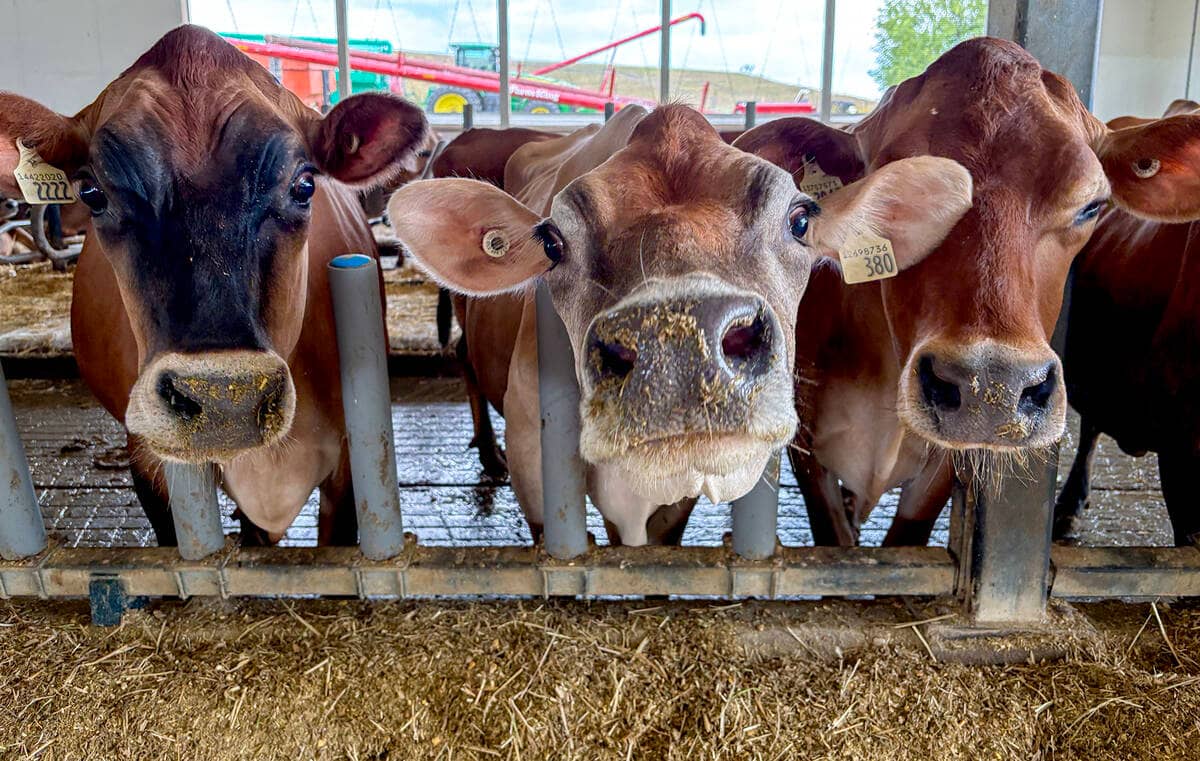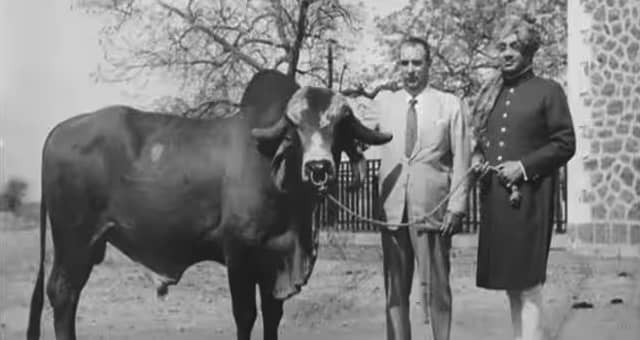
India has imported 40,000 doses of bull semen from Brazil for the first time to boost milk output via artificial insemination, a top official at the Brazilian embassy said. The National Dairy Development Board (NDDB), which has imported the doses, aims to increase the number of Indian native breeds, Gir and Kankrej, and raise their milk production. NDDB is a government-owned cooperative that owns and operates the Mother Dairy brand. “The first imports of 40,000 semen doses just took place this month by India’s NDDB. It’s been a project for a long time. For three to four years, they have been discussing it. Though it was a tough discussion, we managed to solve it and now import has taken place," said Angelo de Queiroz Mauricio, agricultural attaché at Brazil’s embassy in New Delhi. It is unclear if India will import more doses in future. The development comes at a time when the government is targeting to produce 330 million tonnes (mt) of milk per annum by FY34. India produced 230.6 mt of milk in FY23, a 3.8% increase from a year ago and a 22.8% rise from FY19, according to an Indian government statement. India is the world’s largest milk producer, contributing 24% to global output, followed by the US and China. However, the country’s current milk production is on par with its consumption and, therefore, it needs to find ways to increase output as demand is expected to continue rising. “NDDB is going to use the doses in an existing research project to get animals that have Brazilian genetics with a capacity of producing more than 80 litres of milk per animal," said Mauricio. “The average here is eight litres. Some animals in Brazil can even produce up to 40 litres of milk. However, the average is 20-22 litres per animal." A senior official from the animal husbandry and dairying ministry confirmed that the import took place. NDDB’s plan to import Brazilian bull semen faced strong resistance over the past four years from indigenous cow breeders over concerns about spoiling Indian breeds. In 2017, the government tried to import frozen semen from Brazil, but postponed the decision due to objections from cattle breeders. Gir or Gyr is one of the principal Zebu breeds that originated in India. (Zebu cattle originated in Southwest Asia and have evolved from three breeds of Indian cattle.) It was gifted by the Maharaja of Bhavnagar to Brazil in the 18th century, and Brazil has preserved the original breed of Gir cows. Over the years, Gir has become a high milk-producing breed and is quite popular in South American countries due to its ability to survive extreme weather. At the same time, India saw a constant decline in the number of indigenous varieties as farmers preferred breeds like Jersey, which are of British origin and yield more milk. Jersey cows give about 20 litres per animal a day on average. Jerseys cross-bred with Indian breeds can give 8-10 litres, and the Indian breed of Gir cows can give 6-10 litres, as per the Indian Agriculture Research Institute. “We are also discussing embryo transfer. We are going to give it to living animals because there is a gradual increase in the success rate regarding genetic material," said Mauricio. “When you import semen, you still need to find the animals. When you import embryos, you don’t need it. So, the chances of success are higher." India and Brazil share a close and multifaceted relationship both at the bilateral level as well as in plurilateral fora such as Brics, BASIC, G-20, G-4, IBSA, International Solar Alliance, as well as in the larger multilateral bodies such as the UN, WTO, Unesco, and WIPO. The two countries have been strategic partners since 2006. The bilateral trade relationship has grown steadily with a target of increasing two-way trade to $50 billion by 2030, commerce secretary Sunil Barthwal had said last October. Trade was at $15.2 billion in FY22, data from the ministry of external affairs shows. There has been an MoU between both governments since 2008, among others. One of the main areas of this MoU is the development of animal husbandry, especially dairy. Under the umbrella agreement, there is a joint declaration between MAPA (Ministry of Agriculture, Livestock and Food Supply of Brazil) and DAHD (Department of Animal Husbandry and Dairying, India) to streamline these things. Below this, there is a commercial contract between the Indian buyer and the Brazilian seller. It’s no mean feat that India is the largest producer of milk in the world, especially when one considers the limited supply we had right after independence. Since the white revolution in subsequent decades, which saw rural dairy farms link up to form cooperative networks, our milk production has come a long way. In 2022-23, the country produced 230.6 million tonnes of it. But with all of it getting consumed within India, our dairy farming sector must scale up to meet rising domestic demand and serve overseas markets. It is not a surprise then that the government is aiming for 330 million tonnes of annual milk output by 2033-34. That would be a jump of more than two-fifths in about a decade. Enlarging our bovine count is an option, as we are nowhere close to a methane crisis of the kind America has acquired from its outsized cattle farms, but it would certainly be more efficient if we could increase the milk producing capacity of our existing livestock. In this context, the National Dairy Development Board’s (NDDB) latest initiative is noteworthy. This government-run overseer of cooperative farming has imported 40,000 doses of Gir bull semen from Brazil for domestic insemination to raise milk volumes. The Gir breed is claimed to be capable of producing as much as 40 litres of milk every day per animal. While this may be true of a few top specimen, even its reported average of 20-22 litres daily would exceed what Indian cattle farmers are accustomed to: an average estimated at 8 litres. Given this productivity gap, having the genes of Brazilian animals introduced in the local bovine population could boost milk supply without the need of cattle farm expansion. Sure, the complexities of genetics dictate that hybrids needn’t acquire all the traits sought to be passed along, but it’s likely that this experiment will yield results. In a way, it is a genetic reunion. Of the world’s two broad types of cattle, the humped-back kind native to tropical zones and flat-backed animals found in cooler climes, the Gir breed belongs to the former. Not just that, it traces its lineage to Gujarat, as it descends from an 18th century gift to Brazil by the Maharaja of Bhavnagar, as the legend of its globalization goes. South America preserved the original breed it got, while Indian ranches began raising ever more flat-backed Jersey cows, which originate in Europe, on their reputation for producing more milk than local breeds. So, in that way, Gir’s return is a homecoming to its original habitat. This does not mean that India is set to turn its back on any other breed. Just that the NDDB spotted a worthy opportunity in importing what it needed to meet a goal.
Never miss an important dairy update
Follow DairyNews7x7 on Google to get live milk prices, policy alerts, and daily headlines directly in your feed.