FSSAI Tightens Cold Chain Compliance for Dairy Products, Meat and Fish Across India
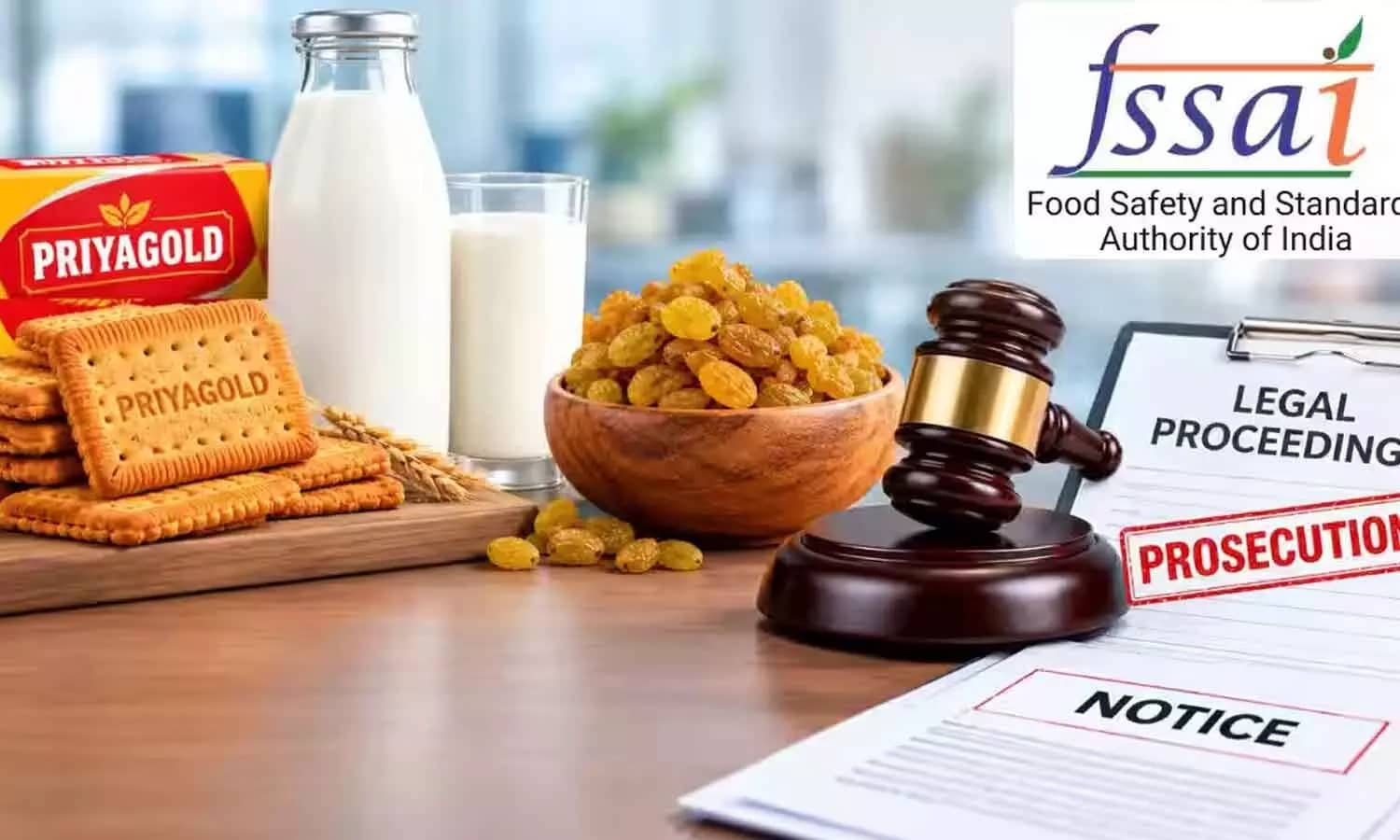
India's Food Safety and Standards Authority of India (FSSAI) has directed food businesses to strictly maintain prescribed temperature conditions while manufacturing, storing, transporting, distributing and selling perishable food products, including dairy products, meat and fish.
The advisory, dated October 15, comes ahead of the festive season, when demand for milk-based sweets and other perishable foods typically increases. FSSAI has warned that non-compliance may lead to regulatory action, including the seizure and destruction of food products.
According to The New Indian Express, the regulator issued the directive after concerns that products such as khoya, paneer, meat and fish were sometimes being handled, stored or transported without appropriate temperature controls.
Cold Chain Compliance Required Across the Supply Chain
Under the Food Safety and Standards (Licensing and Registration of Food Businesses) Regulations, 2011, food business operators (FBOs) are required to maintain prescribed temperature conditions throughout the supply chain, from procurement and sourcing to delivery to the final consumer.
The requirements cover chilling, transportation, storage and distribution. Exposure to unsuitable temperatures can encourage microbial growth and spoilage, potentially compromising food safety and public health.
The latest advisory reiterates the importance of compliance with the hygiene and sanitary requirements specified under Schedule 4 of the regulations.
Key Requirements for Dairy and Food Businesses
FSSAI has directed businesses involved in manufacturing, packing, storage, transportation, distribution and retail sales of perishable food products to follow several important measures.
1. Temperature-controlled handling and transportation
Businesses must maintain the prescribed temperature conditions throughout storage and transportation to protect product quality and safety.
2. Hygienic transport vehicles
Perishable foods must be transported in clean, covered and hygienic vehicles or conveyances suitable for food transportation.
3. Food-grade packaging
Operators must use food-grade packaging and appropriate secondary packaging materials. Gunny bags and other non-food-grade coverings that could compromise product safety should be avoided.
4. Protection against contamination
Products must be protected from dust, moisture, pests, physical damage and cross-contamination during storage, loading, unloading and transportation.
5. Documentation and traceability
Food businesses must maintain appropriate consignment records and traceability information, and produce invoices or other relevant documents when requested by the competent authority.
Why the Advisory Matters for the Dairy Industry
Milk and milk products are particularly sensitive to handling and storage conditions. Products such as paneer, khoya, fresh cream and other chilled dairy foods require appropriate controls to maintain safety and quality.
For dairy processors, distributors, retailers and sweet manufacturers, effective cold chain management is therefore a critical operational requirement—not simply a logistics consideration.
Temperature monitoring, hygienic equipment, suitable packaging and documented handling procedures can help businesses identify potential failures and reduce the risk of spoilage or contamination.
The festive season makes these controls especially relevant as the movement and sale of milk-based sweets and other perishable foods increase.
Enforcement and Inspections to Be Strengthened
FSSAI has called on Commissioners of Food Safety across states and Union Territories, Indian Railways and its regional directors to ensure that relevant licensing authorities and food safety officers maintain strict vigilance.
Inspections and transportation checks are intended to support compliance with the prescribed requirements.
The advisory states that appropriate action, including seizure and destruction of food products, may be initiated in cases of non-compliance under the Food Safety and Standards Act, 2006, and the regulations made under it.
What Dairy Businesses Should Prioritise
The directive reinforces the need for dairy businesses to review their cold chain systems and verify that temperature controls are maintained throughout product movement.
Industry priorities should include:
- Reviewing cold storage and refrigerated transport practices.
- Monitoring and documenting temperatures at critical stages.
- Training staff in hygienic handling and contamination prevention.
- Ensuring food-grade packaging and suitable transport containers.
- Maintaining complete records to support traceability and inspections.
Source: Dairynews7x7 19 Oct, 2026 Read full story here
#DairyNews7x7 #FSSAI #FoodSafety #DairyIndustry #ColdChain #MilkQuality #DairyProcessing #Paneer #Khoya #FoodRegulations #SupplyChainManagement #ConsumerSafety
Never miss an important dairy update
Follow DairyNews7x7 on Google to get live milk prices, policy alerts, and daily headlines directly in your feed.