Latest Blogs
See More
Global Dairy News


DairyNews7x7


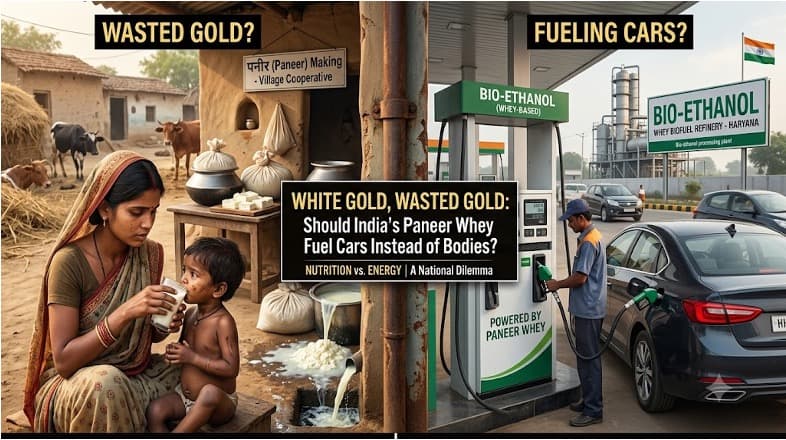
India’s dairy sector, despite producing a record 247.87 million tonnes of milk in 2024–25 and achieving per capita availability of around 471 grams per day—well above the recommended 300 grams—continues to face a significant nutrition gap, with widespread “hidden hunger” including deficiencies in iron, vitamin B12, zinc, and folate affecting millions.
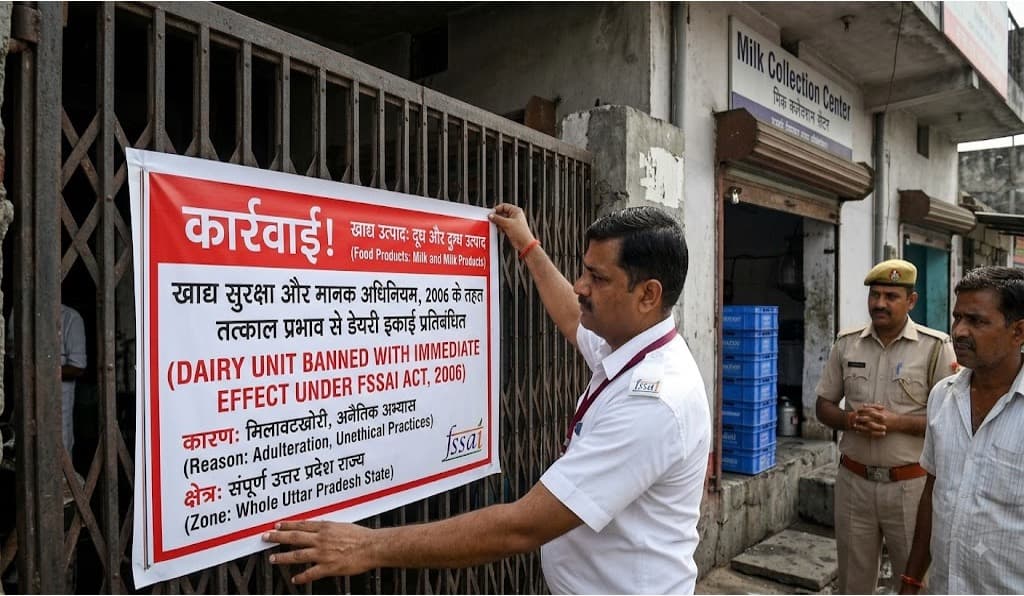
A key structural issue lies in the supply chain, as nearly 60% of milk flows through informal channels lacking proper oversight on adulteration, cold chain integrity, and nutritional consistency, limiting the ability to translate production into reliable nutrition.
Within the organised sector, private dairies account for nearly 60% of processing capacity, positioning them as critical players in improving quality, safety, and distribution efficiency, particularly in urban and semi-urban markets where demand for safe and fortified dairy products is rising.
The analysis highlights that addressing India’s nutrition challenge will require more than increasing milk output, focusing instead on strengthening organised processing, enhancing quality assurance, and expanding last-mile delivery systems—areas where private dairy companies are expected to play a decisive and scalable role in converting milk into consistent nutritional outcomes.
Source: Dairynews7x7 2 May 2026, Read full article here
#PrivateDairy #NutritionSecurity #IndiaDairy #MilkQuality #FoodSafety #DairyPolicy