Latest Blogs
See More


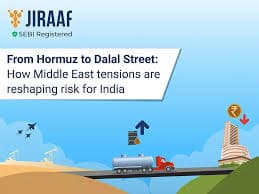
Escalating geopolitical tensions in the Middle East, particularly around the Strait of Hormuz, are emerging as a major risk factor for India’s financial markets, with investors on Dalal Street increasingly recalibrating their strategies. As one of the world’s largest crude oil importers, India remains highly vulnerable to oil price shocks, which can disrupt inflation outlook, widen fiscal deficits and weaken the rupee.
The ongoing conflict has heightened uncertainty in global energy supply chains, especially as the Hormuz route—through which nearly 20% of global oil supply passes—faces disruptions, triggering sharp volatility in crude prices and investor sentiment.
Market participants are now factoring in geopolitical risks more aggressively, leading to heightened volatility across equities, bonds and currency markets. Analysts note that even the threat of supply disruption, not just actual shortages, is enough to influence asset prices, as it alters macroeconomic expectations and risk appetite.
The ripple effects are already visible, with rising crude prices pushing up import costs, inflation expectations and currency pressure, all of which weigh on corporate earnings and market valuations. Sectors heavily dependent on fuel—such as aviation, logistics and manufacturing—are particularly exposed, while broader market sentiment remains fragile amid global uncertainty.
Overall, the evolving crisis underscores how events in the Middle East can quickly transmit risk to India’s financial system—from Hormuz to Dalal Street—forcing policymakers and investors alike to stay alert to rapidly shifting global dynamics.
Soruce: Dairynew7x7 17th March, 2026 Read full story here
#DalalStreet #MiddleEastCrisis #OilPrices #IndianEconomy #MarketVolatility #Geopolitics #DairyNews