

Logo
IndianGlobalBlogsPublicationsPodcastsMarketAboutContact
Logo
IndianGlobalBlogsPublicationsPodcasts
7News
TN Minister Urges Farmers to Adopt Tech for Value Addition in DairyListen to the Farm, Not the Farmer—The New Productivity LensWhat’s Driving Change In Beverages, FMCG And Dairy in 2025ED begins money laundering probe in dairy investment fraud caseIndo-Brazil pact aims to boost cattle genetics and dairy yield

Indian Dairy News

TN Minister Urges Farmers to Adopt Tech for Value Addition in Dairy
Dec 12, 2025

TN Minister Urges Farmers to Adopt Tech for Value Addition in Dairy

In Coimbatore this week, Tamil Nadu’s Minister for Milk and Dairy Development, Mano Thangaraj, called on dairy farmers to embrace modern technologies to boost productivity and value addition across th...Read More

Listen to the Farm, Not the Farmer—The New Productivity Lens
Dec 12, 2025

Listen to the Farm, Not the Farmer—The New Productivity Lens

India’s dairy sector, valued at nearly $30 billion, has reached a point where incremental changes will not deliver the next breakthrough. For decades, improvement programs have focused on what farmers...Read More

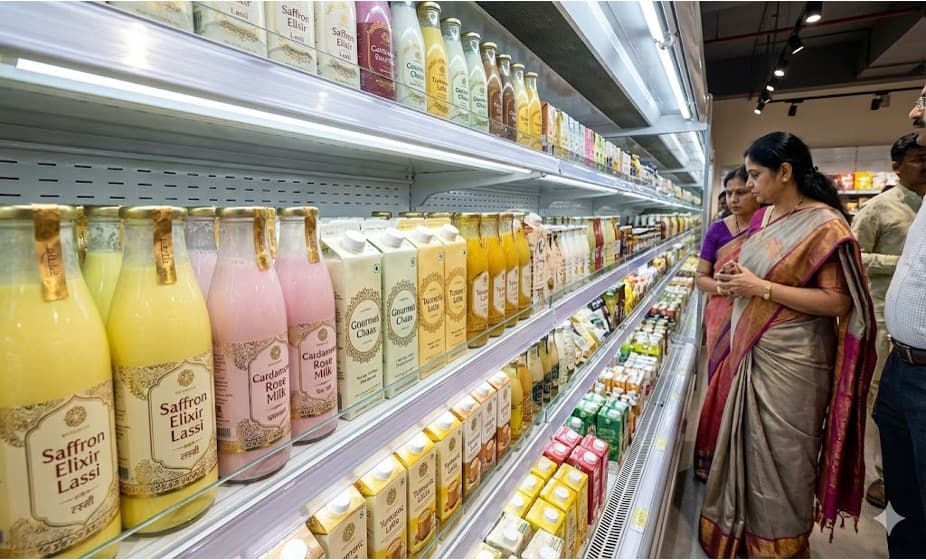
What’s Driving Change In Beverages, FMCG And Dairy in 2025
Dec 12, 2025

What’s Driving Change In Beverages, FMCG And Dairy in 2025

India’s retail landscape in 2025 was marked by a decisive shift in how consumers choose, consume and connect with brands. From beverages to daily nutrition and even the most essential dairy products,...Read More

Latest Blogs

See More
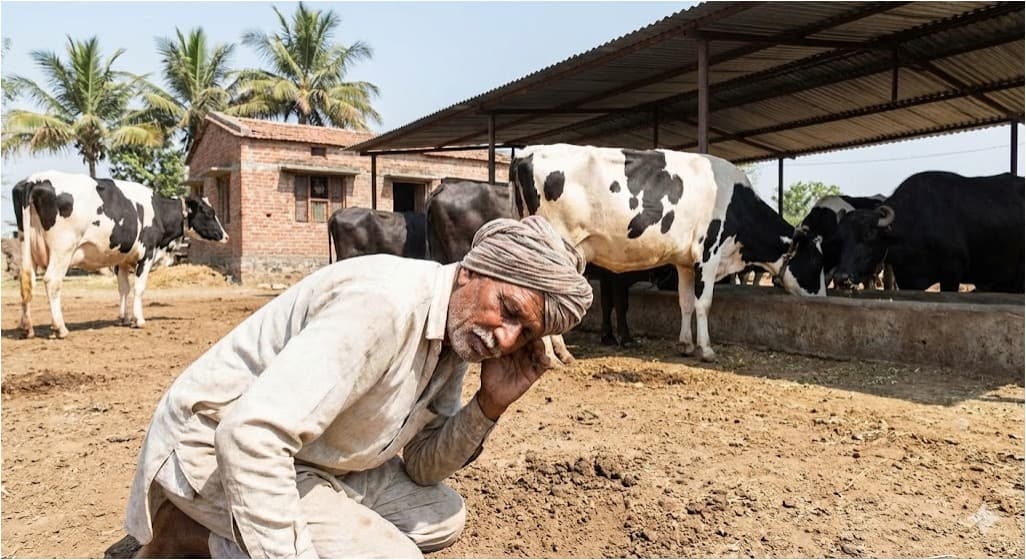
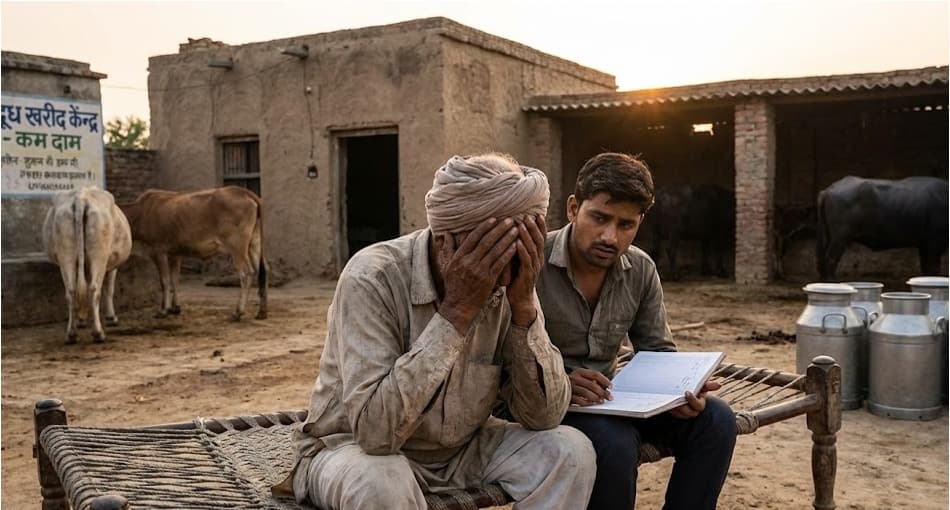
More Milk, Less Money: India’s Dairy Crisis
Dec 01, 2025

More Milk, Less Money: India’s Dairy Crisis

With the release of the BAHS 2025 summary report, I felt compelled to deep dive into its findings and reflect on the real progress and challenges facing India’s dairy sector. Over the last six years,...Read More

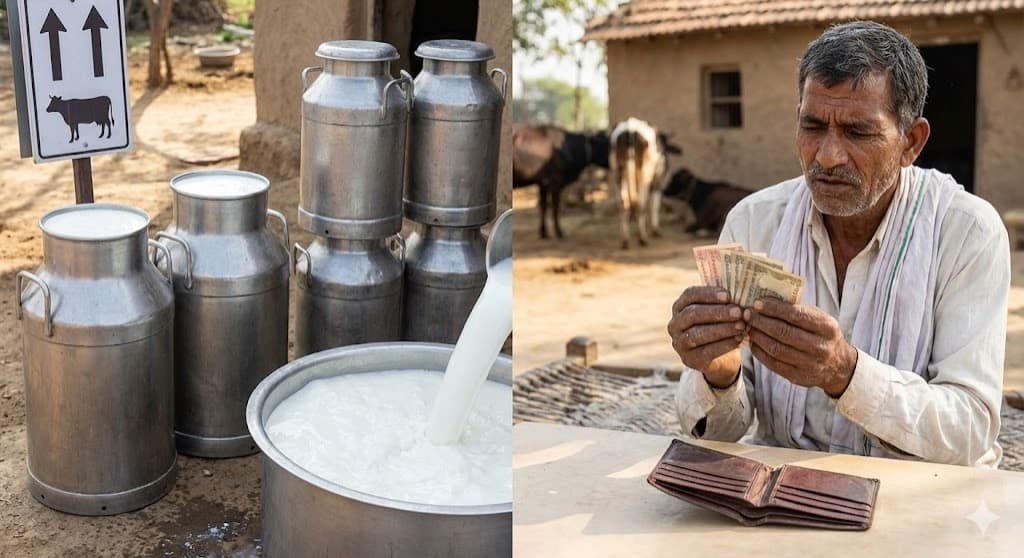
India Milk Prices: Cost Shock and Procurement Pressure
Nov 28, 2025

India Milk Prices: Cost Shock and Procurement Pressure

Milk prices in India face upward pressure as rising feed costs and procurement hikes reshape farm economics. Insight on dairy procurement, feed costs, and market outlook. Official government and coope...Read More

Stop Blaming, Start Claiming: Livestock’s Carbon Credit Future
Nov 16, 2025

Stop Blaming, Start Claiming: Livestock’s Carbon Credit Future

This week, I had the opportunity to attend an Agri Carbon Masterclass conducted by CII FACE. The deliberations, case studies, and discussions presented during the session were both insightful and thou...Read More

India Powers the Gulf’s Dairy Revolution -Gulf Food 2025
Oct 31, 2025

India Powers the Gulf’s Dairy Revolution -Gulf Food 2025

As Gulf Food Manufacturing prepares to open its doors from November 4–6 in Dubai, Indian dairy product and equipment manufacturers have a unique opportunity to explore one of the most promising region...Read More

Global Dairy News

Why the global milk business needs a structural shake-up
Dec 08, 2025

Why the global milk business needs a structural shake-up

The New Zealand dairy stalwart Fonterra has sold its consumer dairy-brands (milk, butter, cheese) — including “Anchor” and “Mainland Cheese” — to French agribusiness giant Lactalis in late October 202...Read More

Raw-milk prices in Europe hit 5-yr low; ripple effect looms
Dec 07, 2025

Raw-milk prices in Europe hit 5-yr low; ripple effect looms

European raw-milk prices have plunged to their lowest in five years, as oversupply and weak demand weigh on dairy markets across the region. According to recent data from DCA Market Intelligence B.V.,...Read More

Global food prices ease; FAO dairy index slips — impact looms
Dec 06, 2025

Global food prices ease; FAO dairy index slips — impact looms

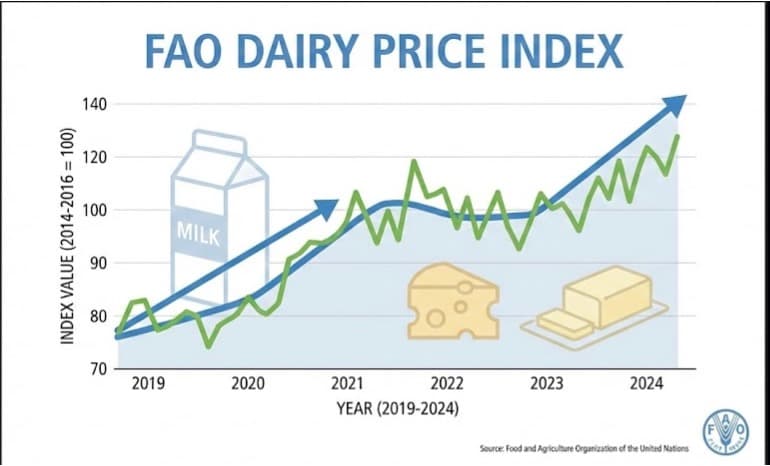
The FAO Dairy Price Index averaged 137.5 points in November, down 4.4 points (3.1 percent) from October and 2.4 points (1.7 percent) from its value a year ago. International dairy prices fell for the...Read More

Dairy News 7x7

Your trusted source for all the latest dairy industry news, market insights, and trending topics.

FOLLOW US
CATEGORIES
  • Global News
  • Indian News
  • Blogs
  • Publications
  • Podcasts
SUBSCRIBE TO OUR NEWSLETTER

Stay informed with the latest updates and trending news in the dairy industry.

No spam, unsubscribe at any time

GET IN TOUCH
C-49, C Block, Sector 65,
Noida, UP 201307
+91 7827405029dairynews7x7@gmail.com

© 2025 Dairy News 7x7. All Rights Reserved.

Terms of ServicePrivacy Policy

Women who don’t eat enough meat or dairy put their health at risk

By DairyNews7x7•Published on January 15, 2022

Last year, the total number of vegans worldwide was thought to be around 79 million. A not insignificant portion of the population, you’ll agree, but some could be rethinking the plant-based lifestyle, after a scientist claimed this week  that women who don’t eat enough meat or dairy put their health at risk.

Expanding on his statement, Ian Givens, professor of food chain nutrition and director of the Institute for Food, Nutrition and Health at Reading University, said women are more at risk of deficiencies in iron, magnesium, iodine, calcium and zinc than men. Half of women aged 11 to 18 consume under the minimum recommended levels of magnesium and iron, and older female age groups – aged 19 to 64 – are also more at risk, with 27 per cent of them consuming less iron than they should, too.

While many are turning to veganism or vegetarianism out of concern for the environment, something Givens acknowledged is valid, he warned that the decision to forgo all meat and dairy needs to be approached with “caution”, and that more attention should be paid not just to how many carbon emissions are produced by a food type, but the nutrients they offer too. Deficiencies in these key nutrients can impact bone health, particularly during the menopause as well as energy levels, healthy weight, mental health and can even cause hair loss. Put simply, it’s important you get enough of all of them.

It’s no secret that if you follow a vegan or vegetarian diet, for whatever reason, it’s trickier to get the right nutrients into your system, but nutritionist Eve Kalinik doesn’t believe it’s necessary to eat meat and dairy if that’s not what you want. “Your diet just needs a lot more planning to ensure nutritional needs are met,” she says. “That may require supplementation if you follow an exclusively plant-based diet.” Common nutrients that fall short in plant based diets   include vitamin B12, iron, selenium, calcium, zinc, omega 3s, and sometimes protein – following as inclusive a diet as possible helps to “avoid leaving gaps”, she says.

Conversely, consuming meat and dairy, but with few plant-based foods, also has many pitfalls, just as not eating them can lead to nutritional deficiencies. “There is a vast difference between ultra-processed meat and dairy products, and good quality organic grass-fed or free-range meat,” Kalinik says. “Equally, ultra-processed cheeses and sugary yoghurts are very different to traditionally-made cheese and live yoghurt that are bursting with fat-soluble vitamins  , calcium, protein and can be a natural source of beneficial microbes for gut health.”

The key, undoubtedly, is balance, and quality over quantity. “I think the phrase ‘eat better, eat less’ sums it up,” says Kalinik, who recommends opting for organic, grass-fed or free-range meat and organic full fat dairy (locally produced, if possible), to reap the rewards of all the nutritional benefits they offer. She also advises aiming for at least two days a week where you eat predominantly plant-based or vegetarian to ensure you’re getting enough of the many nutrients they offer, while doing your bit for the environment and cutting down on your own personal costs of buying meat.

“Everyone’s needs differ but a balanced diet might incorporate one to two servings of grass-fed red meat a week, one to two servings of free-range poultry or pork, two to three fish (at least two being oily fish), and aim for two days vegetarian or plant-based, as a rough guide. For dairy , a daily serving of 100g of natural live yoghurt and/or 50g of cheese.”

For committed  vegans , her advice is to make planning a focal point of your week. Incorporate lots of grains, pulses and legumes (which, she says, should be soaked and rinsed to maximise their nutritional potential), and ensure you’re getting enough vitamin B12. “It will either need to be supplemented or consumed through fortified foods, such as a nut-based milk alternative drink,” she says. “These also often contain calcium, which is tricky to get through an entirely plant-based diet.”

Swipe to continue reading

Previous Article

Next Article