Latest Blogs
See More
With the release of the BAHS 2025 summary report, I felt compelled to deep dive into its findings and reflect on the real progress and challenges facing India’s dairy sector.
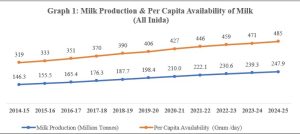
Over the last six years, India’s dairy sector has continued to consolidate its global leadership, even as deeper structural challenges around farmer incomes, sustainability, and productivity have become increasingly evident. An assessment of trends in milk production, cattle population dynamics, budget allocations and farmer value realisation reveals a sector that is expanding steadily in volume terms but struggling to translate this growth into higher real incomes for the millions of households that depend on dairying. The fundamental policy question now is not merely how to increase national milk output, but how to ensure that production growth yields meaningful improvements in farmers’ economic well-being.
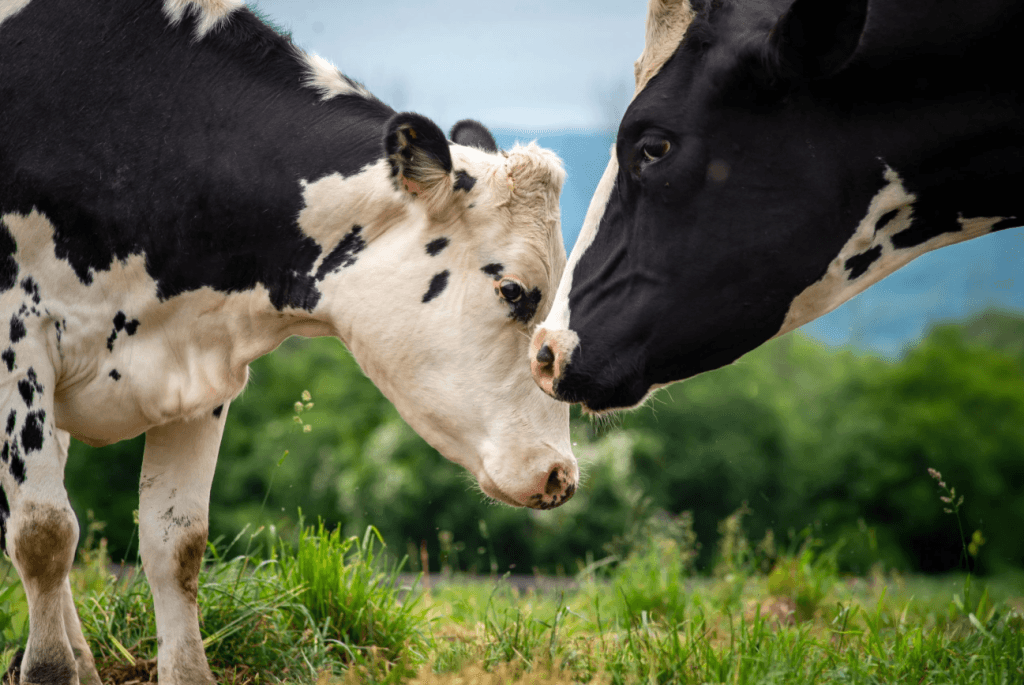
The real transformation during this period has come from the changing composition of the milch herd. Crossbred cattle, which deliver significantly higher yields, now contribute over 30 percent of India’s total milk, while indigenous and non-descript cattle—collectively accounting for just above 20 percent—continue to decline in their share. Buffaloes remain central to India’s dairy landscape, collectively contributing around 43 percent of national milk production, with indigenous buffaloes alone accounting for 31.18 percent in 2024–25. This shift towards higher yielding breeds represents a significant structural improvement, but it also brings with it concerns around feed demand, heat stress and sustainability.
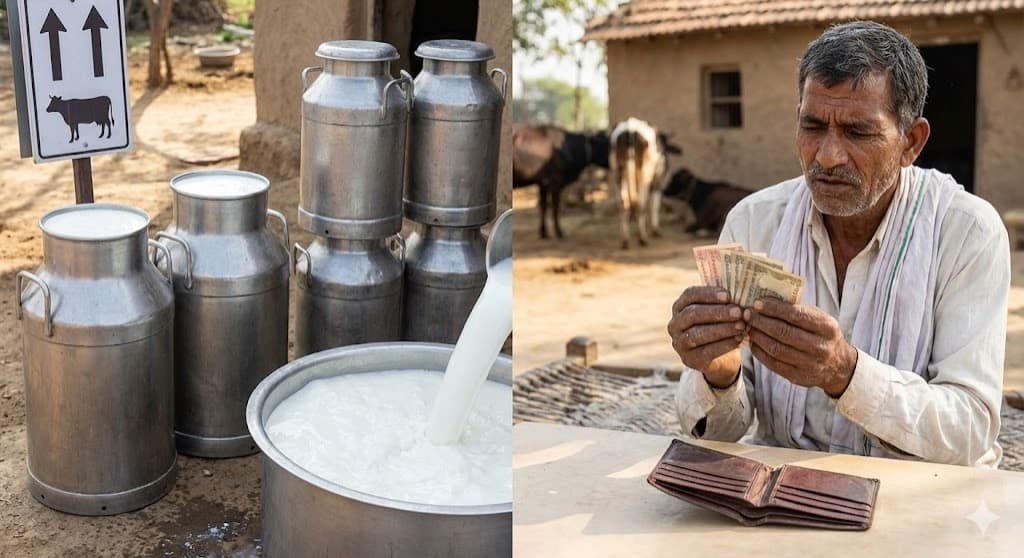
A more revealing picture emerges when examining the value of milk in the economy. Using BAHS data for the milk group’s contribution to GDP, the nominal value per litre of milk increased from approximately Rs 24.5 per litre in 2011–12 to nearly Rs 43 per litre in 2021–22, reflecting inflation and market expansion. But when adjusted for inflation using constant 2011–12 prices, the real value per litre has remained almost flat at around Rs 24 per litre throughout the decade. This indicates that although the total value of milk has grown due to higher production volumes and general inflation, farmers’ real returns per litre have not improved significantly. This stagnation of real value is one of the most important and under-discussed findings in the sector.
Yet beneath this progress lie some structural weaknesses. Foremost among them is the stagnation of real farmer income. Despite producing far more milk than a decade ago, dairy farmers are not earning proportionately more in real terms. The cost of feed and fodder has escalated faster than the real price they receive per litre, narrowing margins and increasing financial vulnerability. Environmental pressures are also intensifying, particularly in regions where buffalo-based dairying dominates. Large buffalo herds require substantial water and feed resources, and their concentration in specific states contributes to over-extraction of groundwater and ecological stress.
Regional imbalances persist, with states like Uttar Pradesh, Rajasthan, Madhya Pradesh, Gujarat, and Maharashtra together contributing more than half of India’s milk, while eastern and northeastern regions remain underdeveloped in dairy infrastructure. An emerging challenge, often underestimated, is the rise of alternative proteins, supported under India’s BioE3 framework. Precision-fermentation dairy substitutes could, in the long term, disrupt demand for conventional milk in high-income urban segments, putting pressure on the traditional dairy value chain if not properly regulated.
There are also deeper systemic risks that could become “ugly” if left unaddressed. Misinformation regarding milk and dairy products has increasingly shaped consumer perceptions, particularly on digital platforms. Periodic anxieties around adulteration, lactose intolerance, or cholesterol—often exaggerated or poorly contextualised—have contributed to demand fluctuations in certain markets. In addition, rising input costs, labour shortages in rural areas, and the absence of consistent long-term price signals could push smallholders either to exit dairying altogether or to intensify unsustainably, both of which carry economic and ecological consequences.
The alternative—and more sustainable—path is to target a 3.5–4 percent annual growth rate anchored primarily in productivity improvements rather than herd expansion. This approach emphasises genetic improvement, scientific feeding, climate-resilient practices, and better market integration. It is also far more aligned with the national imperative of enhancing farmer incomes. The evidence is clear: raising production alone does not increase real income per litre. What matters is increasing the value per litre for farmers and decreasing their cost per litre through improved efficiency and reduced wastage. Under this second pathway, production and income can rise together, but only when the emphasis is on yield, quality, and value addition rather than sheer volume.
Strengthening farmer incomes also requires more robust market mechanisms. This includes expanding cold-chain infrastructure, incentivising quality-based milk pricing, supporting dairy exports, and fostering regional value-added dairy clusters that can generate premiums for farmers. Only when farmers receive a higher real return per litre, supported by lower production costs and better productivity, can India truly achieve sustainable growth in the sector.
From here, the next stage of analysis must probe deeper into milk price behaviour, farmer income trends, and the true impact of dairying on rural financial wellbeing. This is where the next phase of our research must begin.
Source : Dairynews7x7 Dec 1st 2025 blog by Kuldeep Sharma Chief editor Dairynews7x7