
Who moved our Ghee? It has all but vanished from store shelves
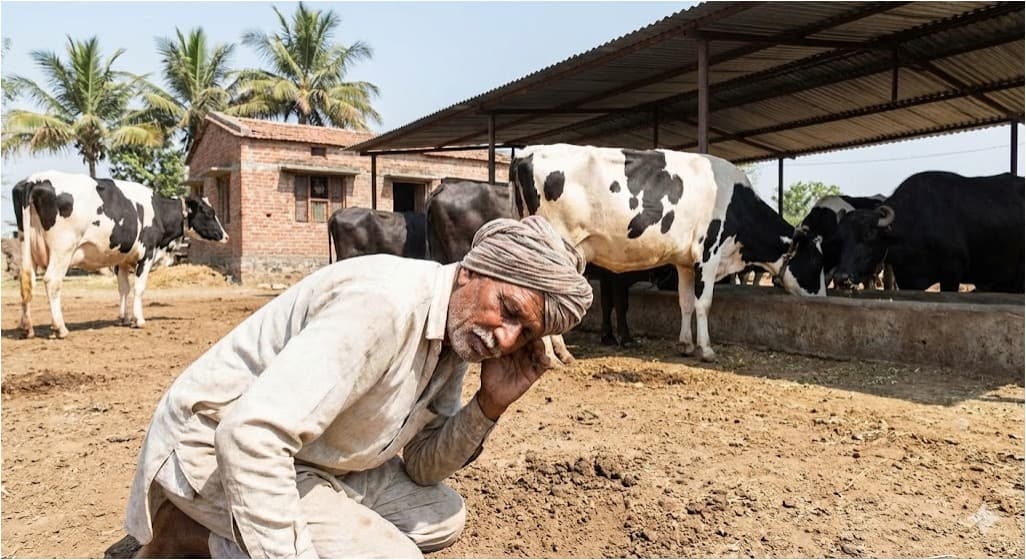
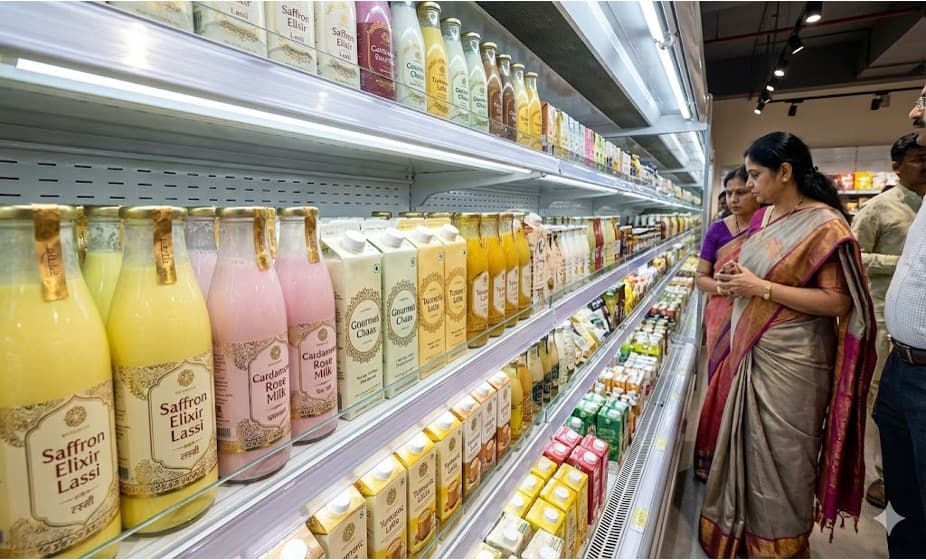
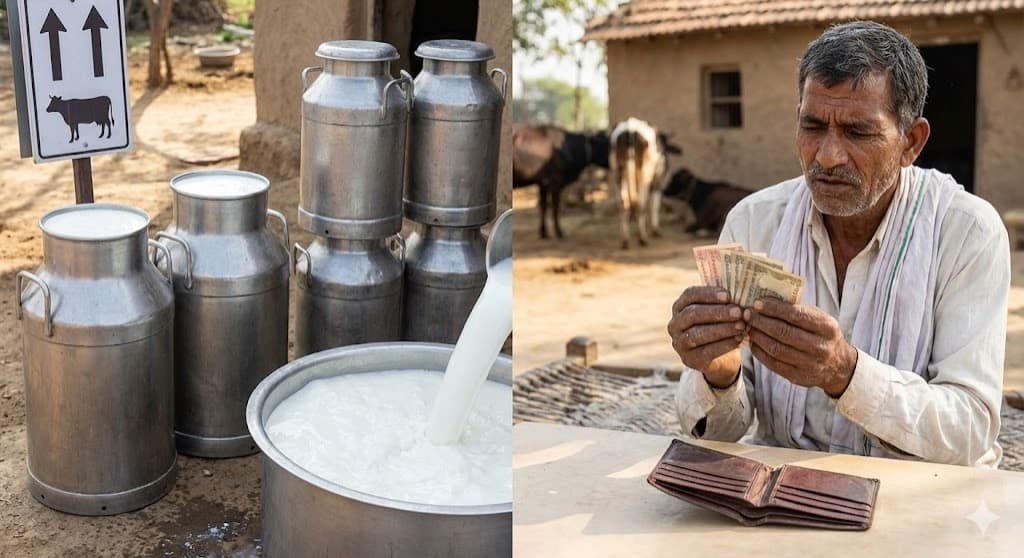
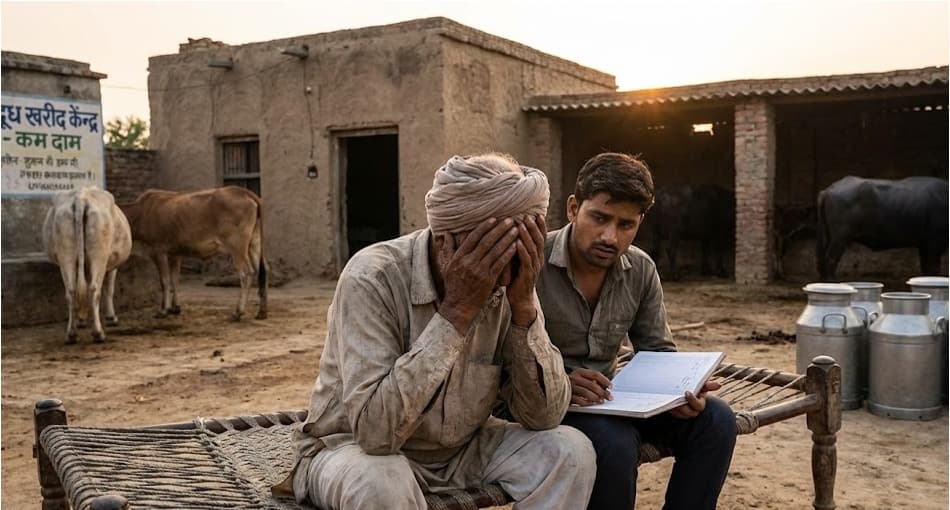
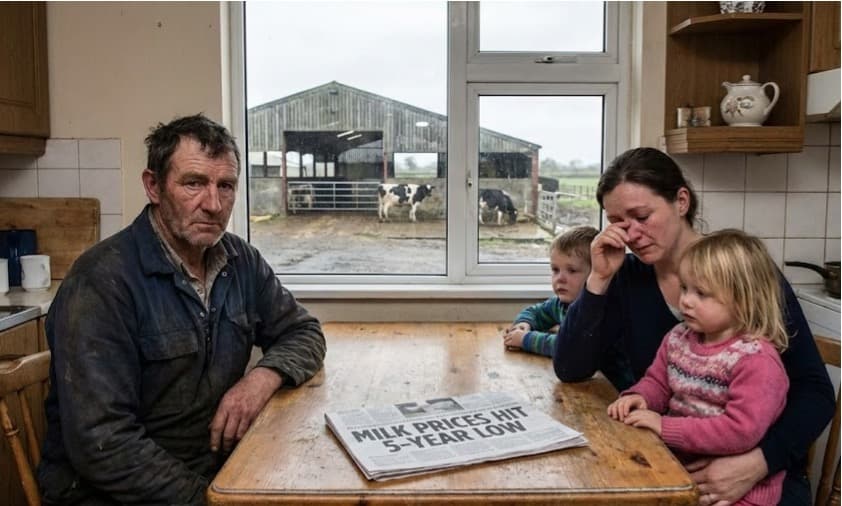
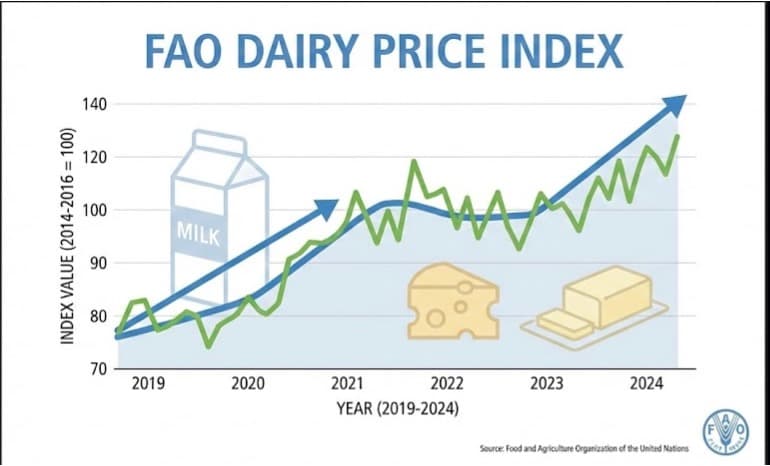
There has been a ghee shortage in the market since Diwali season 2022. Top brands have been running out of stock at shop shelves and on online portals regularly. With the lean season in milk underway (April to August or the summer-monsoon months when production of milk falls in relation to demand), it seems that this demand-supply mismatch of ghee will persist for a couple of months. Delve deeper, and one finds not just a milk-fat shortage, but a milk shortfall. Post-2014, India has averaged a 6% growth rate in milk production annually. While actual data is not out yet, indications appear that this growth in 2022-23 has fallen to 1-2%. At the heart of the matter is a rise in cattle-feed prices in the country without a commensurate increase in milk prices. This is making dairy farming unviable for dairy farmers and reducing growth in milk production. Cattle-feed cost is an expense for dairy farmers, while milk prices multiplied by production is their income. An important value component of cattle feed is oil meal, which is the residue left after oil has been crushed out of oilseeds. To understand inflation in oil meal prices, we can take inflation in vegetable oil prices as a proxy, as it’s a by-product of vegetable oil production. A comparison of the Food and Agriculture Organization (FAO) food price index for dairy and vegetable oils can give a picture of what has happened. In layman terms, this explains why in 2021 there was an increase in mustard oil prices whereas ghee prices stayed firm. Even the Economic Survey of India 2022-23 reported, while inflation in milk and products was 2.8%, for oils and fats it was 27.4%. One can see this dichotomy while observing the market operating price (MOP) of mustard oil and Amul Ghee maximum retail price (MRP). Thus, dairy farmers faced a situation in 2021-22, where prices of their raw material—cattle feed—were increasing but the revenues they were earning did not grow in that proportion, and even reduced for some. This pincer grip had made dairying financially unviable and would have led many to reduce their herd size, and further served as a deterrent to those planning to enter this sector or buy cattle. So, what explains this situation? Note that milk prices in India are not regulated by the government. There is no minimum support price (MSP) for it, as with farm staples. One must dig deeper to figure this out. India produces 221 million metric tonnes (MMT) of milk annually. Of this, 46% is consumed at source and the remaining 54% is the marketable surplus—around 120MMT. Of the marketable surplus, 60% is procured by the unorganized sector, which becomes a price taker. The remaining 40% is procured by the organized sector—48MMT. Half of this goes to the private sector—24MMT, which is procured by as many as 700 companies across India that are to an extent also price takers. The remaining 24MMT is procured by the cooperative sector, which has some 25 organizations across the country. Gujarat Cooperative Milk Marketing Federation Ltd (GCMMF), the marketer of Amul, procures 270 lakh kg per day (LKPD) milk, which is around 10MMT or 20% of all organized procurement and 40% of total cooperative procurement (24MMT), making it the lodestar for the country’s cooperative sector. In turn, the cooperative sector becomes the lodestar for private dairies. Thus, GCMMF is undoubtedly the price maker in the market. GCMMF’s ability to procure such huge volumes of milk comes from its ability to market and distribute milk and products made of it. At an annual turnover of 72,000 crore, the GCMMF group is not just the biggest food product organization in the country, but its biggest fast-moving consumer goods (FMCG) organization. For perspective, Hindustan Unilever Ltd’s turnover is 58,154 crore and ITC’s non-cigarette FMCG business turnover in 2021-22 was 16,023 crore. These numbers make GCMMF the marketing engine for the dairy sector in India. Unfortunately, GCMMF by not increasing its MRPs and procurement prices in 2021 and 2022 in relation to inflation of cattle feed prices, has led not just itself but the entire country’s dairy sector into a quagmire. For the first time since Operation Flood concluded in 1996, we are experiencing a milk and fat shortage. This mismanagement, whether attributable to political compulsions or managerial incompetence, is unforgiveable. It can be called Operation Anti Milk Flood. This also is a reason why Verghese Kurien, who pioneered the country’s cooperative movement. had created 25 different state federations. So that the mismanagement of any one does not lead to negative repercussions on the whole sector. In the context of the recent Amul-Nandini controversy, with talk around of their possible merger, that is why they should remain separate. This is risk reduction through hedging at its best. It’s just that the founding fathers of Operation Flood did not foresee that mismanagement could happen so close at home. As far as the government’s approach goes, rather than focusing on Amul now, other state federations need to be strengthened in the next 5-10 years and made bigger, so that GCMMF’s share of the country’s marketable milk surplus stays within 5%. May the new management of GCMMF overcome its forced legacy errors and get back to hitting Anand aces.