


Time to privatize Dairy Development Corporation(DDC) in nepal
In an agricultural country like Nepal, where 66% of the population are farmers, and livestock covers 32% of agricultural GDP, one would expect the dairy industry to flourish as a testament to their toil. Yet, reality paints a different picture, revealing a disheartening tale of missed opportunities and untapped potential. The Milk Industry in Nepal has long been plagued by inefficiency and financial losses, primarily represented by the struggles faced by the Dairy Development Corporation (DDC). For decades, this state-owned entity has failed to achieve profitability, resulting in significant financial burdens on the nation’s hardworking taxpayers. This article delves into the pressing need for the privatization of Nepal’s state owned DDC, highlighting its inefficiencies and the implications of its continued financial strain on the taxpayers. The article also advocates for a transition of the role of government in this sector that would alleviate this burden and foster a more vibrant and self-sustaining industry.
Firstly, let’s start by talking about the market for milk in Nepal. As per FAO/WHO, the demand for milk in Nepal is 92 liters per person per year, and the country produces 79 liters per person annually. It is estimated that the average current deficit is around 550,000 liters of fluid milk per day with 10-20 % variability during different seasons. According to the Department of Livestock Services (DLS), production is increasing at a rate of 3.4 % annually, but demand is growing at 8%. The average cost of per liter milk production in Nepal is around Rs 56.32. It is lowest in Ilam at Rs 45.37 per liter and highest in Sarlahi, at Rs 67 per liter.
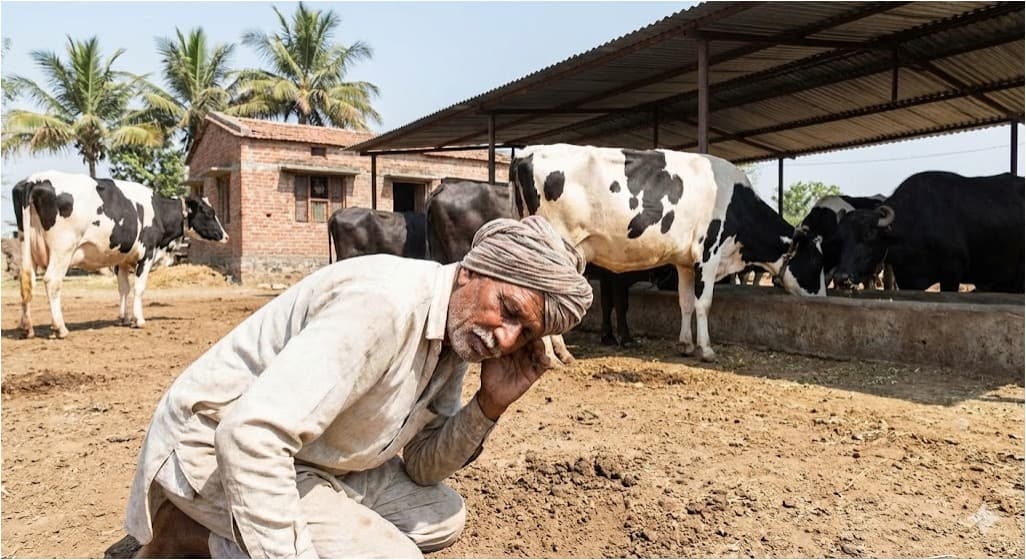
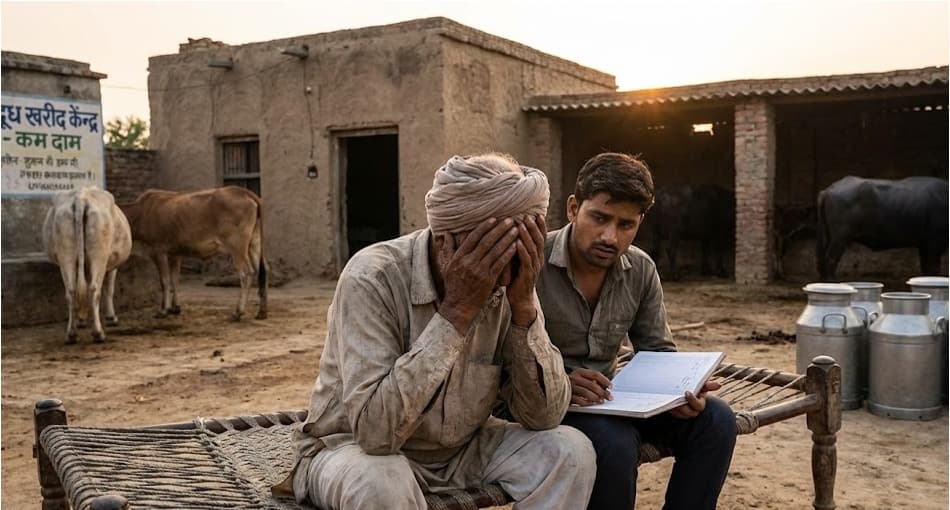
When it comes to dairy development in Nepal DDC is a living history. However, like other state-owned enterprises in Nepal, it has inbuilt difficulties and incompetency. DDC is a significant player in the market, handling a disproportionately high share of 40% of milk production in the country. Regardless of a substantial market share over the past five years, the corporation has been experiencing massive financial losses. In the fiscal years 2019/20 and 2020/21, the company incurred losses of Rs 158.3 million and Rs 168 million, respectively. The loss trend continues in the year 2022 and 2023 which is substantiated by ongoing protests across various regions in Nepal, led by milk farmers affected by DDC’s untimely payment practices. While other dairy companies are flourishing and expanding their portfolio DDC’s continuous loss alone is enough to prove its incompetency. Let’s delve deeper into the reasons behind the inefficiencies of the DDC, shedding light on the factors that have led to its downfall.
Supply Chain Incompetency
In 2020, DDC requested a concessional loan of Rs 300 million from the Ministry of Finance, facilitated through the Ministry of Agriculture and Livestock Development. DDC had been unable to pay farmers for their milk for the past three months. According to them, there was approximately Rs 1 billion worth of dairy products in stock as they were not able to sell the product. DDC had also requested a subsidy of Rs 5 per liter from the Ministry of Agriculture for the consumption of 17 million liters of milk. This highlights a significant supply chain inefficiency as DDC, despite being a majority shareholder in the market, fails to capitalize on the existing deficit of 550,000 liters per day in the milk market.
Lack of Efficient Decision Making
During COVID, after DDC bought up to 100,000 liters of milk every day, they had problems managing the milk. Hence, the provincial government provided Rs 50 million grant to upgrade the powder plant to be able to operate 24 hours a day and establish a new ice bank. The Biratnagar Milk Supply Scheme (BMSS), which upgraded the powder plant by expecting an increase in milk collection, is now, at times, completely non-operational till the interval of up to half a year due to insufficient milk collection. The BMSS is currently collecting 10,000 liters of milk daily. During the same period last year, the daily collection was 22,000 liters. Not only is DDC unable to meet the market demand, it has stopped the production of cheese. Their ghee has not been sent to the market for months. The short-term thinking and lack of foresightedness among the decision-makers have cost the taxpayers in millions.
Untimely Payment to Suppliers
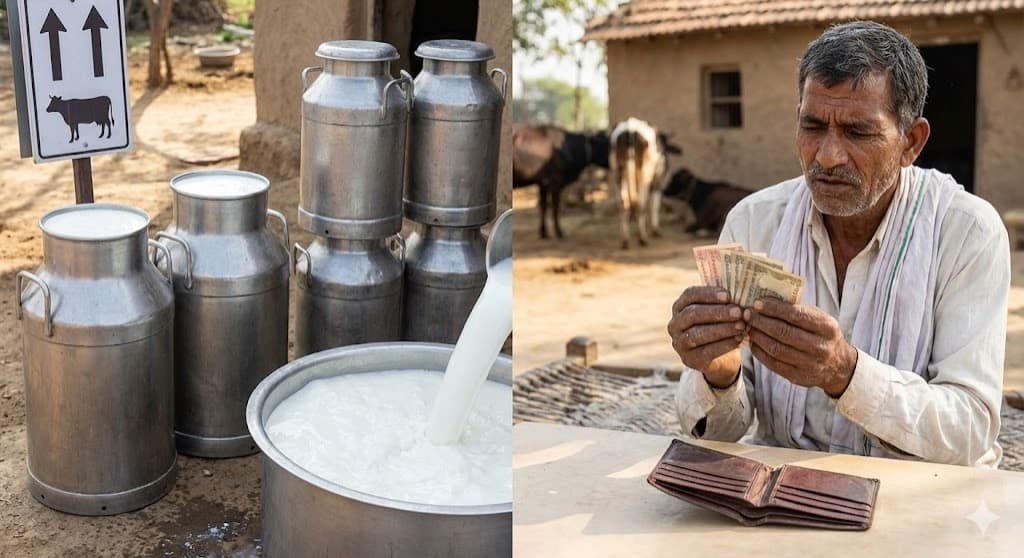
In March 2023, the government fixed the minimum purchase price of raw milk containing four units of fat at Rs 65 per liter for the farmers. However, Farmers opt to sell their milk to private companies instead of DDC due to the private sector’s provision of more competitive pricing and timely payment, thereby aligning with their economic interests. Private industries are buying milk by paying Rs 5-10 more per liter. The private sector is giving advance payment to the cooperatives, but DDC has been buying milk on credit for two months. Among the farmers, DDC has been known as a ‘slow pay’ company. The milk collection capacity of BMSS has been decreasing at a rate of 50 percent every year for the past few years. The Biratnagar project is in trouble as DDC is unable to bring milk from Ilam, where it collects the most milk. Until three years ago, about 12,000 liters of milk was collected daily from Ilam, now 3,000 liters are collected daily. Farmers are unwilling to sell milk to DDC due to due to lack of timely payment. Hence, the reluctance of farmers to sell milk to DDC, despite the milk production capacity of Nepal remaining intact, highlights the perceived inefficiency of DDC in effectively engaging with farmers and establishing a mutually beneficial relationship. This demonstrates the superior efficiency of the private sector in this industry, as it not only offers competitive prices to farmers but also manages to sell milk to consumers at the same price as DDC. Consequently, this approach avoids any loss of taxpayers’ money.
Inefficient Use of Resources
In Nepal, there are two seasons based on milk production at the farmers’ level. During the lean season, the demand for milk is higher than the supply and during the flush season, the demand is lower than the supply. Even today, DDC is not able to buy all the milk offered by the farmers, especially during the flush season. As a consequence, DDC imposes a milk holiday on certain days during the period when they do not buy any milk from the farmers. On the other hand, during the lean season, DDC has either been importing skimmed milk powder to meet consumer demand or buying milk from private companies. In the Indian market, the base price of milk stands at Rs 70 per liter, whereas in Nepal, it is merely Rs 64 per liter. The inability of DDC to powder and store milk exclusively during the flush season not only leads to significant financial losses for the organization but also imposes these losses on the general public. If private companies can efficiently utilize resources and maintain a consistent price throughout all seasons, there is little justification for bailing out DDC, which has been purchased from these very private companies at the expense of public losses.
Corruption and Lack of Accountability
Lack of accountability and corruption is a very common cause of inefficiency of Public Enterprises in Nepal. The stakeholders often act on their self-interests rather than the interests of the organization as they have very little incentive to maximize the organizational profit. Additionally, the government often appoints unqualified or underqualified individuals to top positions based on political connections rather than merit, resulting in poor decision-making, lack of accountability, and a culture of corruption. DDC is indifferent to this and has been plagued by inefficiency due to rampant corruption within the organization. This has hindered the corporation’s ability to fulfill its objectives and has negatively impacted its overall performance. One glaring example is highlighted in a report from 2016 which exposed DDC officials who were found involved in accepting commissions. Such unethical practices not only undermine the corporation’s integrity but also result in the misallocation of resources and compromised decision-making processes. When officials prioritize personal gain over the interests of the organization, it leads to inefficiencies in the procurement, production, and distribution of dairy products.
Furthermore, another report shed light on another form of corruption within DDC which revealed instances where service-seekers were forced to pay bribes to officials in Saptari DDC. This kind of extortion erodes public trust in the corporation and discourages genuine service-seekers from engaging with the organization. It also creates an uneven playing field, where those with connections or the ability to pay bribes receive preferential treatment, further exacerbating the inefficiencies of the organization.
Lack of Audit Reports
The absence of audit reports of DDC for seven consecutive years raises significant questions about the financial transparency and accountability of the organization. Audits play a crucial role in ensuring the accuracy and reliability of financial statements, detecting fraud or mismanagement, and providing insights into the overall financial health of a company. The lack of audits undermines these essential functions, creating an atmosphere of uncertainty and casting doubts on the financial integrity of DDC. These reasons could range from administrative negligence to deliberate attempts to conceal financial irregularities. This raises an alarming question as to why no one has taken action or asked questions about the missing audits. This is related to accountability and governance mechanisms of DDC and the government itself. It is crucial for stakeholders, including government authorities, regulatory bodies, and the general public, to demand transparency and seek answers regarding the reasons behind the missing audits. Without regular audits, it becomes difficult to assess financial performance, identify areas for improvement, and ensure compliance with legal and regulatory requirements. Lack of transparency in the organization has led to mismanagement, corruption, and resource wastage, further hindering the efficiency of DDC.
To conclude, to enhance efficiency and improve the dairy market in Nepal, it is imperative for the government to adopt effective policies that focus on fostering a thriving milk industry rather than directly engaging in business operations. For instance, one of the major factors contributing to the low milk production in Nepal is the limited milk yield of the local cow breeds. Currently, only 5% of the cattle in Nepal are pure breeds such as Holstein and Jersey, which are known for their higher yield. To address this issue, Nepali farmers have resorted to artificial insemination (AI) to crossbreed their local cattle with Holstein and Jersey breeds. However, despite these efforts, the average milk yield per cow ranges from 500 to 2,000 liters per year, which falls short of desired levels. To tackle these challenges and revitalize the dairy market, the government can facilitate the import of high-yielding dairy cows. By streamlining the process and making it more accessible for businesses and corporations to import such cows, Nepal can significantly boost milk production.
Similarly, encouraging foreign direct investment (FDI) in the dairy sector can yield substantial benefits. For instance, if renowned brands like Amul are allowed to enter Nepal, they can bring advanced technologies, expertise, and cooperative models. It is important to dispel the misconception spread by interest groups that such investment will negatively impact local milk farmers. In reality, international brands will still rely on local farmers for their milk supply. Additionally, the comparative affordability of milk in Nepal compared to neighboring India ensures that Nepali farmers will not suffer from a lack of demand. In fact, increased competition and demand from foreign brands entering the market will incentivize farmers to produce more milk. Hence, the government should prioritize the best interests of the overall population rather than succumbing to pressure from interest groups.
Lastly, the government must take decisive steps to ensure free market competition in the dairy sector and limit its crucial role in standardizing milk quality through the implementation of effective quality control measures. Introducing a free-market framework and fostering healthy competition are essential as they empower the market to self-regulate, eliminating substandard milk products that fall short of meeting consumer demands. In a truly free market, local participants will be driven to standardize their milk products to compete effectively. As a result, only the highest quality milk will prevail in the market, benefiting consumers by guaranteeing their access to safe and nutritious dairy products. Embracing such a market-oriented approach is pivotal for the industry’s long-term growth and sustainability, as it encourages innovation, efficiency, and the continual improvement of product offerings. By facilitating an environment where quality is the hallmark, the government can inspire consumer trust, foster economic development, and position Nepal’s dairy sector as a beacon of excellence both domestically and internationally.