

THE INDIAN INVENTION REVOLUTIONISING CATTLE FARMING
India, the world’s largest producer and consumer of milk, is witnessing a surge in milk prices due to cattle feed shortages. A fodder station operating on solar energy and limited water is attempting to mitigate the crisis.
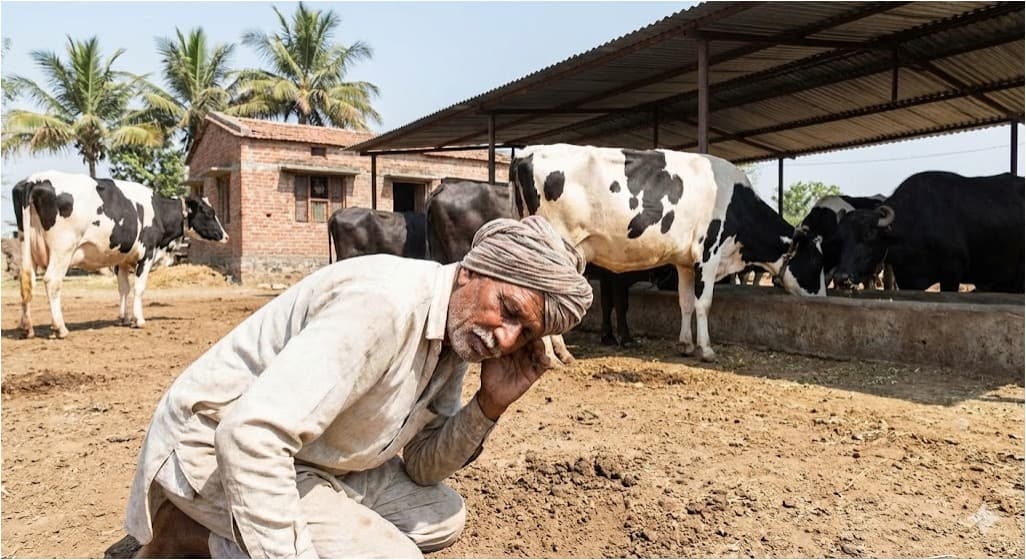
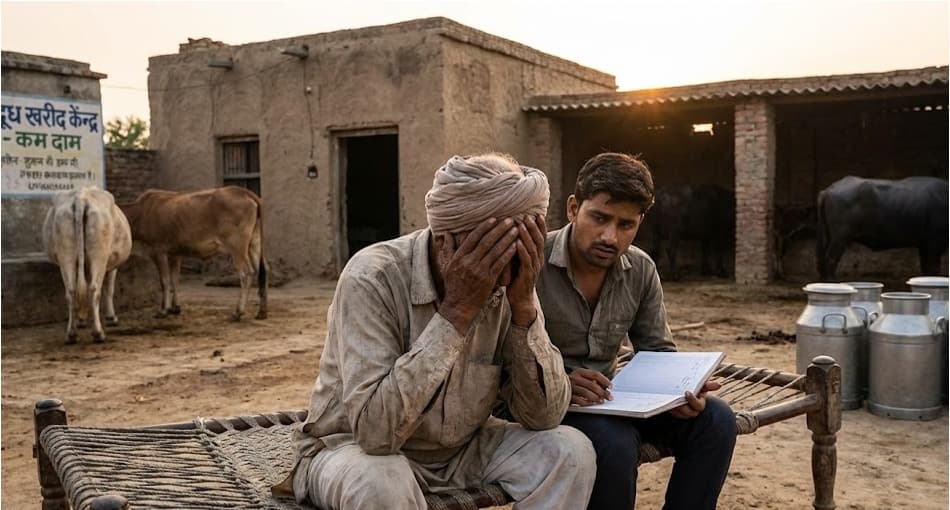
Purkha Ram Pawar, 43, faced challenges in providing sufficient fodder for his cattle in Berasar village, located in the Bikaner district of Rajasthan, a state in northern India. Situated in the heart of the Thar desert, his farmland yielded meager quantities of fodder, which were also contaminated with agrochemicals, resulting in frequent illnesses among his 10 cows and a bull.
The situation deteriorates further when the sparse monsoon rains recede and the Indira Gandhi Canal, the longest water channel in India that supplies water to seven districts of Rajasthan, including Bikaner, shuts down for a few months annually. This closure leaves the animals with minimal or no access to green fodder.
“My cattle used to go gaunt for days, which would cost me over ₹2000 (USD 24) for their treatment,” Pawar, who makes his living by livestock farming and growing wheat and legumes, told FairPlanet. “Needless to say, the cows hardly produced milk during their illness period.”
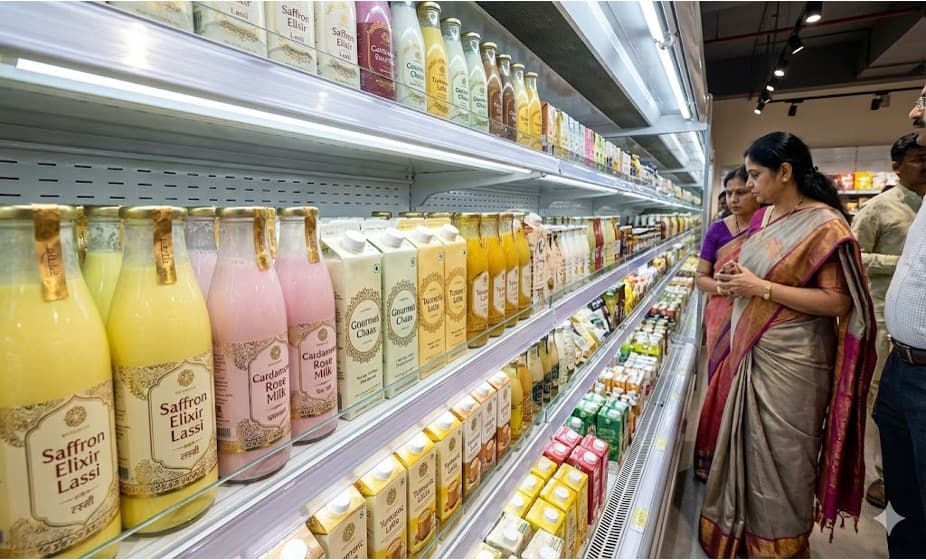
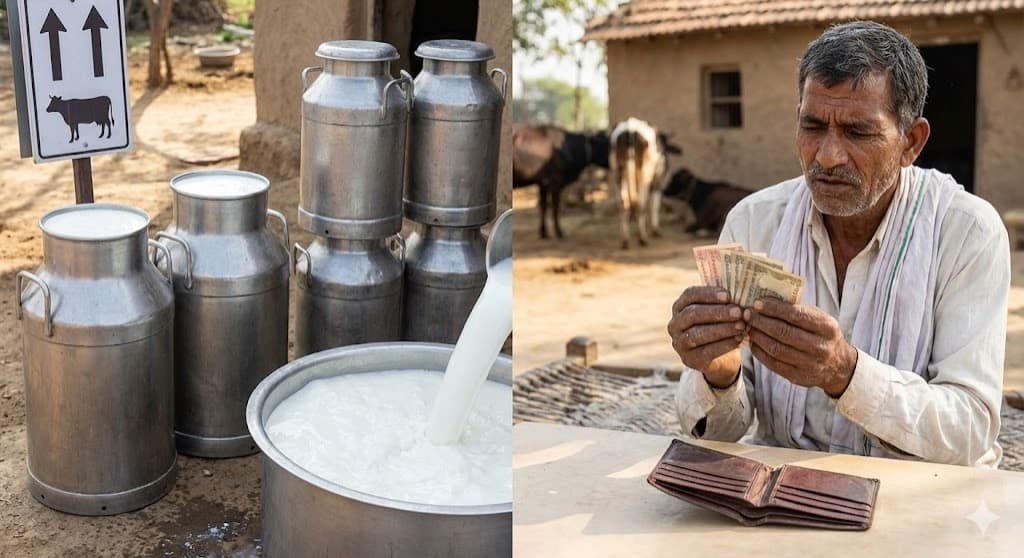
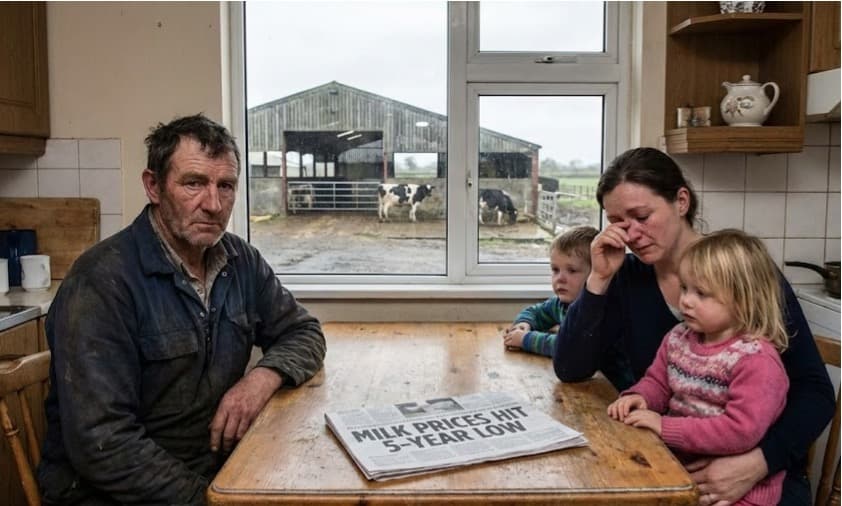
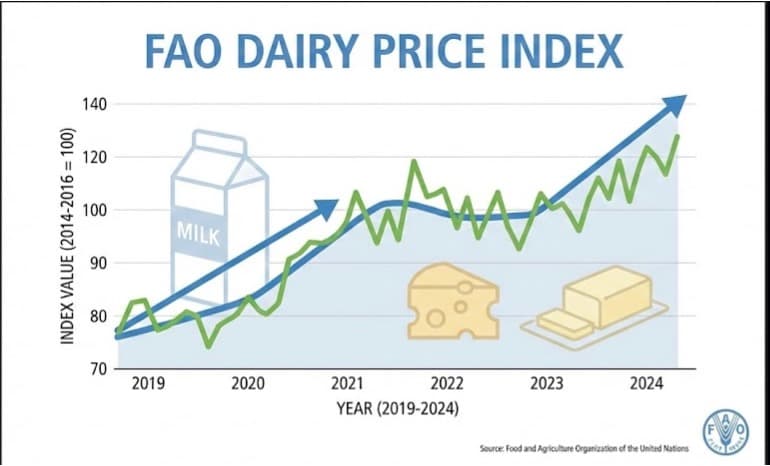
In the past year, India, known as the world’s largest producer and consumer of milk, experienced a significant rise of over 15 percent in milk prices. This increase occurred at the fastest rate in a decade and was primarily attributed to a surge in the cost of cereals, which are a key component of cattle feed. As a result, the expenses incurred in dairy farming, particularly in acquiring cattle feed, significantly contributed to lower milk yields.
Recent data indicates that India is currently grappling with a shortage of essential fodder supplies. The shortage stands at 23.4 percent for dry fodder, 11.24 percent for green fodder, and 28.9 percent for concentrates.
“There is a huge deficit of green fodder in India because of inadequate fertile land,” K Giridhar, principal scientist at ICAR-National Institute of Animal Nutrition and Physiology, told FairPlanet. “Moreover, rapidly changing climate results in the drying of irrigation facilities, making it harder to grow green fodder and affecting cattle’s health and produce.”
EASILY AVAILABLE FODDER
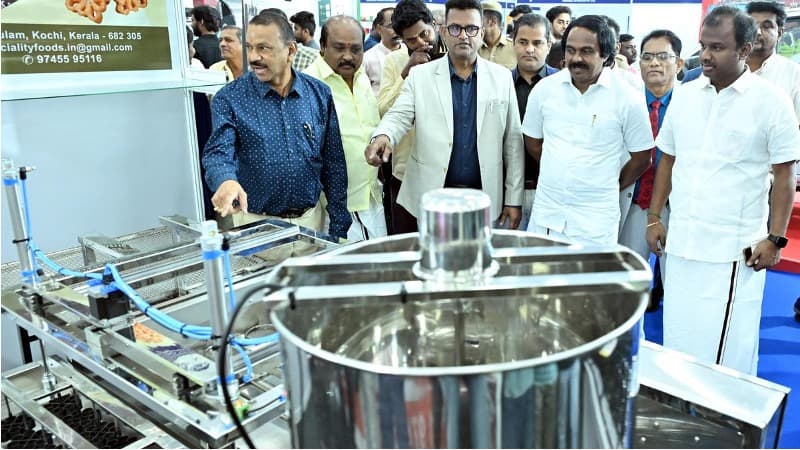
Pawar’s animal farm has seen significant improvements for over six months now since he installed an indoor fodder station provided by Hydrogreens Agri Solutions , a Bangalore-based enterprise. Since installing it in January, the innovative system has allowed Pawar to cultivate fresh and nutritious forage for his herds directly at his home.Established in 2019 by Vasanth Madhav Kamath and Jeevan M, Hydrogreens designed and rolled out a low-cost, microclimate-controlled vertical farming system with a ‘grow house’ that seeks to help dairy farmers grow readily digestible, pesticide-free, high-protein green fodder for their cattle while ensuring year-round availability of the feed.
The water-efficient fodder stations, designed as compact vertical stands, are gaining popularity in India due to their unique features. These stations enable protected and soilless cultivation, and, operating solely on like Rajasthan, known for its arid climate, as well as in extreme cold conditions, such as the zero-degree areas of Ladakh .
“Though such fodder stations cannot entirely cover up the forage deficit, they can certainly help dairy farmers sustain the period when green or any kind of fodder is not available – especially during summer months or in dry regions as they are easy-to-operate and require less energy and water,” Giridhar from ICAR said.
“Not only have my cows become healthier, but they also produce an extra litre of milk everyday,” Pawar gushed. He now cultivates approximately 16 kg of fodder, which is evenly distributed across 32 plates of the station in a single batch. He utilises two kilograms of this fresh fodder each day to feed his herds. As a result, each of his cows now yields nine to ten litres of milk, a notable increase from the previous average of eight litres.
“I make the feed with my own hands and use basic ingredients with no pesticides in them. I never imagined that the cattle feed would become so easily available,” he added.
“I feel what we have done is to transition from a decade where any agricultural experiment used to only take place in the laboratories,” Kamath, co-founder of Hydrogreens Agri Solutions, told FairPlanet. “We thought of letting farmers use their hands on scientific and technical stuff like this.”
PRESERVING THE ENVIRONMENT
Of the 80 million dairy farmers in India, 70% are women who spend a significant amount of their day-time picking hay, cutting pasture and preparing grain supplements for their cattle.Mamta Meena, a dairy farmer from Kota in Rajasthan, was planning on selling her three cows, whose feed used to cost her more than she earned from the produce.
“I had to travel to the city market almost every weekend to purchase wheat and oats,” Meena, 42, told FairPlanet. “Apart from what I used to spend on cattle feed, there also was transportation cost involved. It may sound like a petty expense, but these expenses deter small farmers like me from farming.”
After learning that roughly 25 families in her locality were using Hydrogreens, Meena decided to set one up at her place in June this year. Her previous laborious routine of procuring cattle feed has now been significantly simplified.
Her new process involves soaking around five to ten kilograms of maize in water for 17 hours. She then stores the soaked maize in a sack until it sprouts, and finally transfers the sprouted maize to plates within the fodder station. After a period of 7 days, the sprouted maize becomes edible fodder for her cattle.
“I have almost halved my feed purchases and now manage to save ₹3000 (USD 37) every month,” Meena said. “This process not only costs less, but it requires less water and energy while preparing the feed.”
“We did not just aim to make Hydrogreens a profitable alternative for farmers,” Kamath said. “But as each fodder station unit helps save 19,000 litres of water along with reducing carbon footprint on feed procurement, I really feel initiatives like these enable a hyper local economy while also preserving the environment.”
Hydrogreens’ solar-powered fodder station is designed to provide an increase in milk yield by an average of two litres. Four years after its launch, the resource-efficient fodder growing system has over 500 users across the country.